No hay cálculos aún
No hay favoritos aún
Rotación de Cultivos
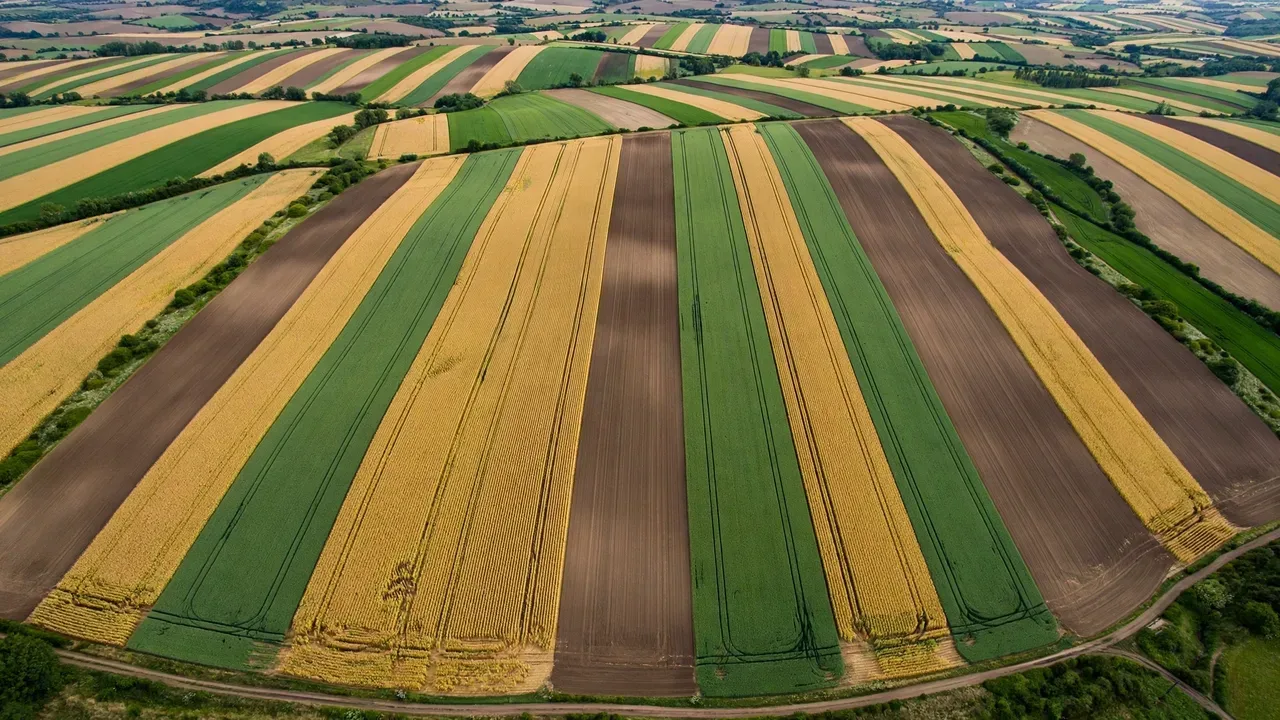
Planifica secuencias de rotación de cultivos, calcula áreas de siembra y programa fechas de siembra/cosecha para una agricultura sostenible.
Resultados
Cómo Usar Esta Calculadora
Introduce los valores requeridos en los campos del formulario. Cada campo incluye valores predeterminados ajustables. Haz clic en Calcular para ver resultados instantáneos. Usa el interruptor Métrico/Imperial para cambiar de sistema. Los resultados se muestran en el panel y pueden usarse para planificación agrícola.
Acerca de Esta Herramienta
La Crop Rotation ayuda a agricultores, agrónomos y estudiantes a realizar cálculos rápidos y precisos para la gestión de la finca. Utiliza fórmulas agrícolas estándar basadas en recomendaciones de extensión y literatura científica.
Aplicabilidad: Diseñada para suelos tropicales y subtropicales de América Latina.
Cómo Funciona el Cálculo
Esta calculadora utiliza fórmulas agrícolas establecidas. La metodología sigue prácticas recomendadas por servicios de extensión e instituciones de investigación. Todas las fórmulas son transparentes y verificables. Considera factores de eficiencia y pérdidas cuando corresponde.
Ejemplo Práctico
Un agricultor usa esta calculadora para planificar crop rotation en su operación. Al introducir datos específicos, recibe cálculos instantáneos para tomar decisiones informadas. Los resultados permiten comparar escenarios, optimizar insumos y estimar resultados antes de comprometer recursos.
Consejos y Errores Comunes
Errores comunes: usar unidades incorrectas, introducir datos estimados en lugar de medidos, ignorar condiciones locales, sobreinterpretar resultados. Para mejores resultados: usa entradas precisas, comprende los supuestos, verifica con experiencia, consulta expertos y usa análisis de escenarios.
Revisado por el Equipo Editorial de Agricalc — Ingenieros agrícolas y agrónomos con más de 10 años de experiencia en campo. Nuestro equipo verifica cada fórmula contra publicaciones de extensión revisadas por pares. Para asesoría específica, consulte a su agrónomo local.
Referencias
Preguntas Frecuentes
How do I calculate the optimal Crop Rotation for my field?
To calculate optimal Crop Rotation: (1) Determine target yield based on soil potential, climate, and management level, (2) Calculate input requirements (seed, fertilizer, water) needed to support that yield, (3) Account for efficiency factors (germination 85-95%, fertilizer use efficiency, irrigation efficiency), (4) Consider field constraints (slope, soil type, drainage), (5) Compare scenarios with different input levels to find the most profitable combination. Use local extension yield goals and budget guides. The optimal rate is where marginal revenue equals marginal cost, not necessarily maximum yield.
What factors most affect Crop Rotation results?
Key factors affecting Crop Rotation: soil fertility and pH (most limiting nutrient determines yield ceiling), water availability (timing and amount during critical growth stages), weather (temperature, rainfall, frost dates), pest and disease pressure, crop variety/genetics, planting date and population, and management timeliness. Even with perfect inputs, drought at flowering can reduce corn yield by 30-50%. Diversify risk through crop rotation, resistant varieties, and irrigation where possible. Keep records to identify your farm's specific yield-limiting factors over years.
How can I improve Crop Rotation without increasing inputs?
Improve Crop Rotation through: better timing (plant at optimal soil temperature, apply nutrients when crop needs them), improved soil health (cover crops, reduced tillage, organic matter increase water and nutrient retention), precision agriculture (variable rate application targets inputs where needed), pest scouting (early detection prevents yield loss), crop rotation (breaks pest cycles, improves soil), and selecting adapted varieties (local trial data identifies best performers). Many farmers increase yield 10-20% through better management alone without additional inputs.
What is the difference between potential and actual Crop Rotation?
Potential Crop Rotation is the maximum achievable with unlimited water, nutrients, and no pests — determined by genetics and solar radiation. Actual Crop Rotation is what you harvest, reduced by water stress, nutrient limitations, pests, weather, and management gaps. The gap between potential and actual is typically 30-60% for rainfed crops, 15-30% for irrigated. Yield gap analysis identifies which factor is most limiting. Closing the gap through better management is usually more profitable than simply adding more inputs. Water is the most common limiting factor globally.
How do I use Crop Rotation results for farm planning?
Use Crop Rotation results for: budget preparation (estimate revenue = yield × price), input purchasing (buy seed/fertilizer based on planned acreage and rates), marketing decisions (store or sell based on expected production), crop insurance (choose coverage level based on APH yield), equipment sizing (match harvester capacity to expected yield), and labor planning (schedule harvest labor). Keep 3-5 years of yield records by field to establish realistic yield goals. Yield maps from combines show spatial variability, enabling site-specific management for future seasons.