Aucun calcul pour l'instant
Aucun favori pour l'instant
Calculateur de Germination
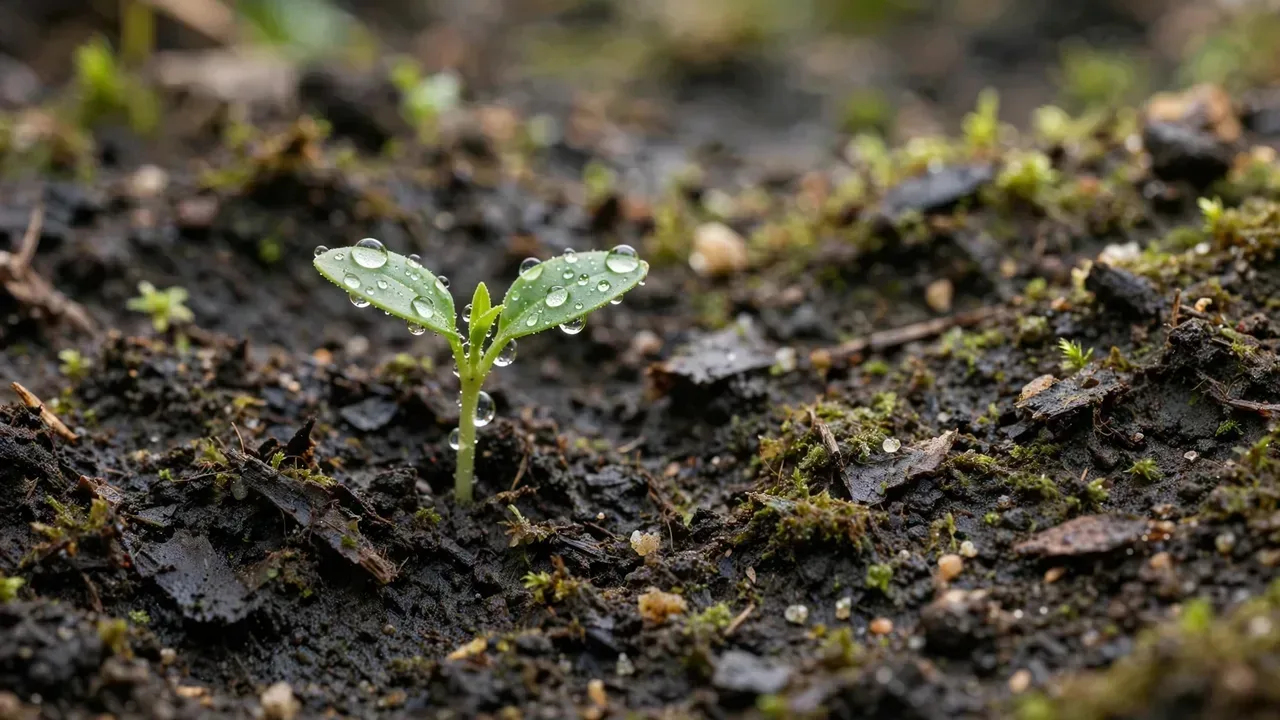
Calculer germination rate, germination energy, and adjust seeding rate based on actual germination test results.
Résultats
Comment Utiliser Cette Calculatrice
Entrez les valeurs requises dans les champs du formulaire. Chaque champ inclut des valeurs par défaut ajustables. Cliquez sur Calculer pour des résultats instantanés. Utilisez le bouton Métrique/Impérial pour basculer. Les résultats s'affichent dans le panneau pour la planification agricole.
À Propos de Cet Outil
La Germination aide les agriculteurs, agronomes et étudiants à effectuer des calculs rapides et précis pour la gestion de l'exploitation. Elle utilise des formules agricoles standard basées sur les recommandations de vulgarisation et la littérature scientifique.
Applicabilité: Conçu pour les sols tropicaux d'Afrique francophone.
Comment Fonctionne le Calcul
Cette calculatrice utilise des formules agricoles établies. La méthodologie suit les pratiques recommandées par les services de vulgarisation et les institutions de recherche. Toutes les formules sont transparentes et vérifiables. Elle tient compte des facteurs d'efficacité et des pertes.
Exemple Pratique
Un agriculteur utilise cette calculatrice pour planifier germination dans son exploitation. En entrant des données spécifiques, il reçoit des calculs instantanés pour des décisions éclairées. Les résultats permettent de comparer des scénarios, d'optimiser les intrants et d'estimer les résultats.
Conseils et Erreurs Courantes
Erreurs courantes : unités incorrectes, données estimées plutôt que mesurées, ignorance des conditions locales, surinterprétation. Pour de meilleurs résultats : utilisez des entrées précises, comprenez les hypothèses, vérifiez par l'expérience, consultez des experts et utilisez l'analyse de scénarios.
Révisé par l'Équipe Éditoriale d'Agricalc — Ingénieurs agricoles et agronomes avec plus de 10 ans d'expérience sur le terrain. Notre équipe vérifie chaque formule contre des publications de vulgarisation révisées par des pairs. Pour des conseils spécifiques, consultez votre agronome local.
Références
Questions Fréquemment Posées
How do I calculate the optimal Germination for my field?
To calculate optimal Germination: (1) Determine target yield based on soil potential, climate, and management level, (2) Calculate input requirements (seed, fertilizer, water) needed to support that yield, (3) Account for efficiency factors (germination 85-95%, fertilizer use efficiency, irrigation efficiency), (4) Consider field constraints (slope, soil type, drainage), (5) Compare scenarios with different input levels to find the most profitable combination. Use local extension yield goals and budget guides. The optimal rate is where marginal revenue equals marginal cost, not necessarily maximum yield.
What factors most affect Germination results?
Key factors affecting Germination: soil fertility and pH (most limiting nutrient determines yield ceiling), water availability (timing and amount during critical growth stages), weather (temperature, rainfall, frost dates), pest and disease pressure, crop variety/genetics, planting date and population, and management timeliness. Even with perfect inputs, drought at flowering can reduce corn yield by 30-50%. Diversify risk through crop rotation, resistant varieties, and irrigation where possible. Keep records to identify your farm's specific yield-limiting factors over years.
How can I improve Germination without increasing inputs?
Improve Germination through: better timing (plant at optimal soil temperature, apply nutrients when crop needs them), improved soil health (cover crops, reduced tillage, organic matter increase water and nutrient retention), precision agriculture (variable rate application targets inputs where needed), pest scouting (early detection prevents yield loss), crop rotation (breaks pest cycles, improves soil), and selecting adapted varieties (local trial data identifies best performers). Many farmers increase yield 10-20% through better management alone without additional inputs.
What is the difference between potential and actual Germination?
Potential Germination is the maximum achievable with unlimited water, nutrients, and no pests — determined by genetics and solar radiation. Actual Germination is what you harvest, reduced by water stress, nutrient limitations, pests, weather, and management gaps. The gap between potential and actual is typically 30-60% for rainfed crops, 15-30% for irrigated. Yield gap analysis identifies which factor is most limiting. Closing the gap through better management is usually more profitable than simply adding more inputs. Water is the most common limiting factor globally.
How do I use Germination results for farm planning?
Use Germination results for: budget preparation (estimate revenue = yield × price), input purchasing (buy seed/fertilizer based on planned acreage and rates), marketing decisions (store or sell based on expected production), crop insurance (choose coverage level based on APH yield), equipment sizing (match harvester capacity to expected yield), and labor planning (schedule harvest labor). Keep 3-5 years of yield records by field to establish realistic yield goals. Yield maps from combines show spatial variability, enabling site-specific management for future seasons.