REAP Final Rule Takes Effect Today: What Farmers Must Know
As of Today, the New Rules Are Binding
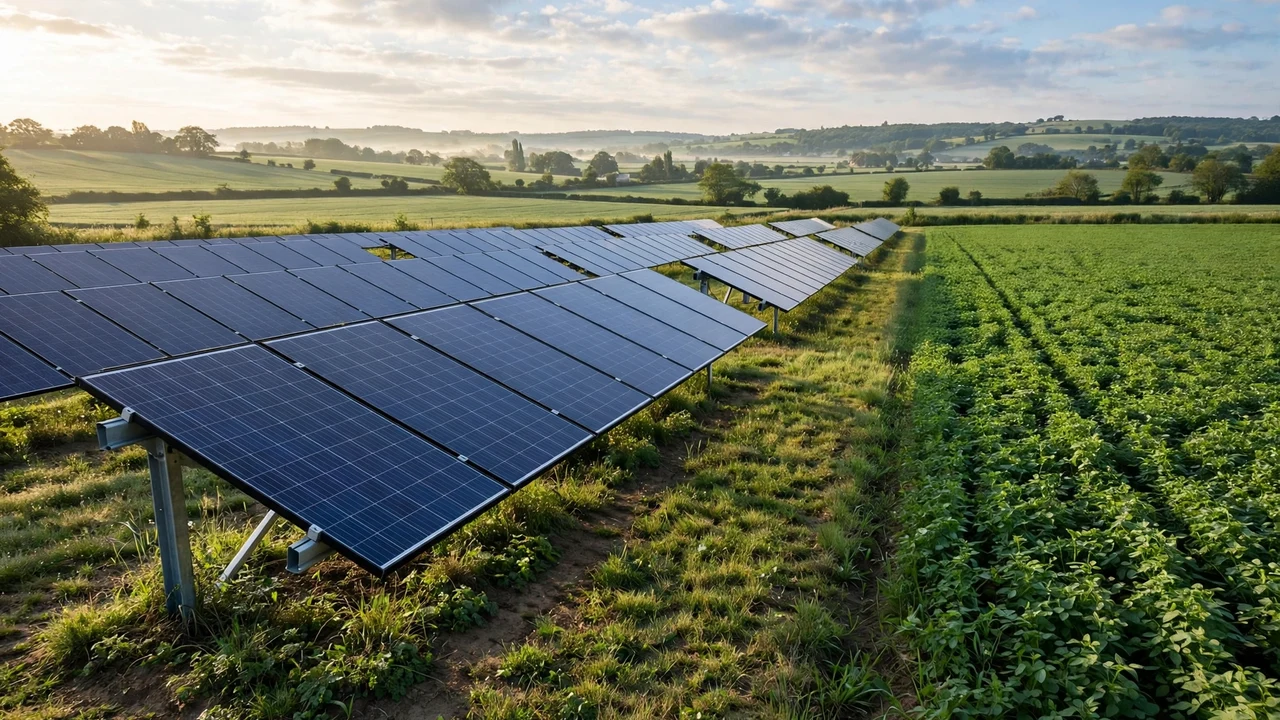
As of today, October 16, 2026, the USDA's final rule rewriting the Rural Energy for America Program (REAP) is in force. The three restrictions from our full REAP analysis are now the law of the program: grants only after a project has been fully built and operating for 12 months, no ground-mount solar on certified cropland, and no systems using Chinese-made components.
What Changes Starting Today
Any REAP application whose Form 1940-1 was not signed by both the applicant and the agency before today now falls under the new rules. Applications with Form 1940-1 fully executed before the effective date keep processing under the prior terms — that grandfathering is the one piece of transition relief USDA built in.
USDA has not yet announced the first application window under the new rules, so even farmers willing to build first and apply a year later cannot file yet.
What This Means for Your Project
First, treat any REAP grant as zero in your base-case cash flow. Run the numbers with the full system cost out of pocket through our farm ROI & payback calculator, and treat the grant as a bonus scenario. Second, check your siting and bill of materials before spending: ground-mount arrays on certified cropland and Chinese-origin components are ineligible under the rule as written — no paperwork fixes that. Third, do not sign long-lead equipment contracts yet: the rule faces a court challenge filed September 28, 2026, still pending, and rules under litigation can change.
Three Things to Do This Week
- Confirm your status. If you filed before today, ask your state rural development office whether your Form 1940-1 was fully executed — that determines grandfathering. Get the answer in writing.
- File a comment. The public comment window stays open until November 2, 2026 (docket RBS-26-Business-0529). Comments become part of the official record that USDA — and the court — must consider.
- Price the project without the grant. If solar still pays back on its own merits, you can move on your own timeline. If the project only worked with REAP funding, waiting is the rational move.
Conclusion
The REAP final rule is no longer a proposal — as of today it governs the program. Build first, wait a year, then apply: that is the new sequence, with cropland ground-mount and most panel supply chains screened out. Plan as if the grant does not exist, confirm any grandfathered status in writing, and get your comment on the record before November 2.
References
- Agricalc (Oct 7, 2026): "USDA's REAP Final Rule: What the New Solar Restrictions Mean for Your Farm" — full analysis of the three restrictions, the timeline, and project math.
- USDA: REAP final rule published October 1, 2026, effective October 16, 2026; public comments open through November 2, 2026 (docket RBS-26-Business-0529).
Frequently Asked Questions
Is my pending REAP application grandfathered?
Only if Form 1940-1 was signed by both you and the agency before October 16, 2026. Confirm with your state rural development office — do not assume.
I already built my solar system. When can I apply?
Under the final rule, only after the project has been fully built and operating for 12 months — and only if it clears the other screens: no ground-mount array on certified cropland and no Chinese-made components.
Does the rule affect wind projects too?
The reported rule covers REAP renewable-energy projects generally, not just solar. Check the full rule text for your project type before planning around it.
Where can I read the full rule text?
USDA published the final rule on October 1, 2026. Ask your state rural development office for the official document and verify every detail before committing capital.