No hay cálculos aún
No hay favoritos aún
Calculadora de Herbicidas
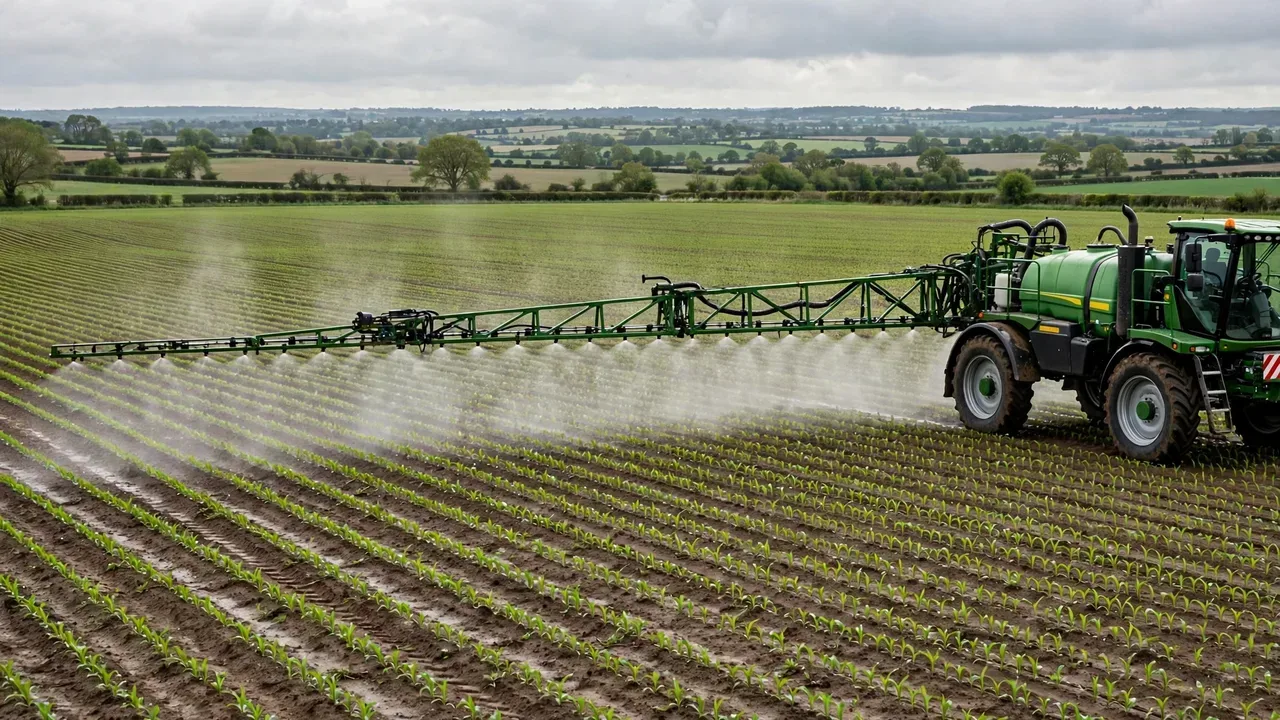
Calculate herbicide amount and water volume for pre-emergence and post-emergence weed control.
Results
Cómo Usar Esta Calculadora
Introduce los valores de entrada requeridos en los campos del formulario. Cada campo incluye valores predeterminados que puedes ajustar a tu situación específica. Haz clic en el botón Calcular para ver resultados instantáneos. Usa el interruptor Métrico/Imperial para cambiar entre sistemas de unidades. Los resultados se muestran en el panel de resultados y pueden usarse para la planificación y toma de decisiones agrícolas.
Acerca de Esta Herramienta
La Herbicide está diseñada para ayudar a agricultores, agrónomos y estudiantes agrícolas a realizar cálculos rápidos y precisos para la gestión de la finca. Esta herramienta utiliza fórmulas agrícolas estándar basadas en recomendaciones de servicios de extensión y literatura científica. Ya sea que estés planificando insumos, estimando rendimientos o gestionando finanzas, esta calculadora proporciona estimaciones confiables.
Aplicabilidad: Aplicable a manejo de plagas en cultivos latinoamericanos.
Cómo Funciona el Cálculo
Esta calculadora utiliza fórmulas agrícolas establecidas para calcular resultados a partir de tus valores de entrada. La metodología de cálculo sigue prácticas estándar recomendadas por servicios de extensión agrícola e instituciones de investigación. Todas las fórmulas son transparentes y pueden verificarse en la literatura agrícola publicada. La calculadora considera factores de eficiencia estándar y tasas de pérdida cuando corresponde. Para recomendaciones precisas, consulta a tu servicio de extensión local o a un agrónomo calificado.
Ejemplo Práctico
Un agricultor usa esta calculadora para planificar herbicide en su operación. Al introducir sus datos específicos de campo, recibe cálculos instantáneos que le ayudan a tomar decisiones de gestión informadas. Los resultados le permiten comparar diferentes escenarios, optimizar insumos y estimar resultados antes de comprometer recursos. Esto ahorra tiempo, reduce desperdicio y mejora la eficiencia y rentabilidad general de la finca.
Consejos y Errores Comunes
Los errores comunes incluyen usar unidades incorrectas (verifica siempre métrico vs imperial), introducir datos estimados en lugar de medidos, ignorar las condiciones locales y recomendaciones de extensión, y sobreinterpretar los resultados (las calculadoras proporcionan estimaciones, no predicciones exactas). Para mejores resultados: usa entradas medidas y precisas, comprende los supuestos de la fórmula, verifica los resultados con tu experiencia, consulta a expertos locales para decisiones críticas, y usa análisis de escenarios.
Revisado por el Equipo Editorial de Agricalc — Ingenieros agrícolas y agrónomos con más de 10 años de experiencia en campo. Nuestro equipo verifica cada fórmula contra publicaciones de extensión revisadas por pares. Para asesoría específica, consulte a su agrónomo local.
Referencias
- FAO — Pesticide Management and Safe Use Guidelines
- USDA — Pesticide Safety and Application Guidelines
- University of Minnesota Extension — Pesticide Application and Calibration Guide
Preguntas Frecuentes
How do I calculate the correct Herbicide rate?
To calculate the correct Herbicide rate: (1) Read the product label for the recommended rate per unit area (e.g., L/ha or oz/acre), (2) Measure the area to be treated accurately, (3) Determine your sprayer output through calibration (L/ha or gal/acre), (4) Calculate chemical needed = label rate × area, (5) Calculate water volume = sprayer output × area. Always follow label rates — underdosing leads to poor control and resistance, overdosing wastes money and may cause crop injury or illegal residues.
What personal protective equipment is needed for Herbicide?
Personal protective equipment (PPE) for Herbicide application includes: chemical-resistant gloves (nitrile or neoprene), protective eyewear (goggles or face shield), respirator (N95 or organic vapor cartridge for dusts/sprays), long-sleeved shirt and long pants, chemical-resistant apron, and closed-toe boots. Some products require a full-face respirator or chemical-resistant suit. Always check the label's PPE requirements. Wash PPE separately from regular laundry and shower after application. Never apply pesticides without proper protection.
How do I prevent pesticide resistance from Herbicide?
Prevent resistance from Herbicide by: rotating products with different modes of action (HRAC/WSSA groups), tank-mixing products with different modes of action, applying full labeled rates (never cut rates), integrating non-chemical control methods (crop rotation, cover crops, mechanical weeding, biological control), monitoring for resistant populations, and following resistance management guidelines on the label. Resistance develops when the same mode of action is used repeatedly — a diverse management program is the best defense. Once resistance develops, it is essentially permanent.
What is the pre-harvest interval for Herbicide?
The pre-harvest interval (PHI) is the minimum number of days that must pass between the last pesticide application and harvest. PHIs are specified on the product label and vary by crop and pest. For example, many insecticides have PHIs of 1-14 days, while some fungicides may have PHIs of 0-30 days. Always check the label for the specific crop you are treating. Harvesting before the PHI expires can result in illegal pesticide residues that may cause food safety violations, shipment rejection, or regulatory penalties.
How should I clean my sprayer after Herbicide application?
Proper sprayer cleaning after Herbicide application: (1) Rinse the tank three times with clean water, spraying the rinse through the booms, (2) Use a commercial tank cleaner or ammonia solution (1 L ammonia per 100 L water) for difficult residues, (3) Let the cleaning solution circulate for 10-15 minutes, (4) Spray through booms and nozzles, (5) Remove and clean nozzles and screens individually, (6) Rinse again with clean water, (7) Dispose of rinse water according to label instructions (never dump near water sources). Proper cleaning prevents cross-contamination between pesticides and crops, which can cause severe crop injury.