No hay cálculos aún
No hay favoritos aún
Fertilizante Orgánico
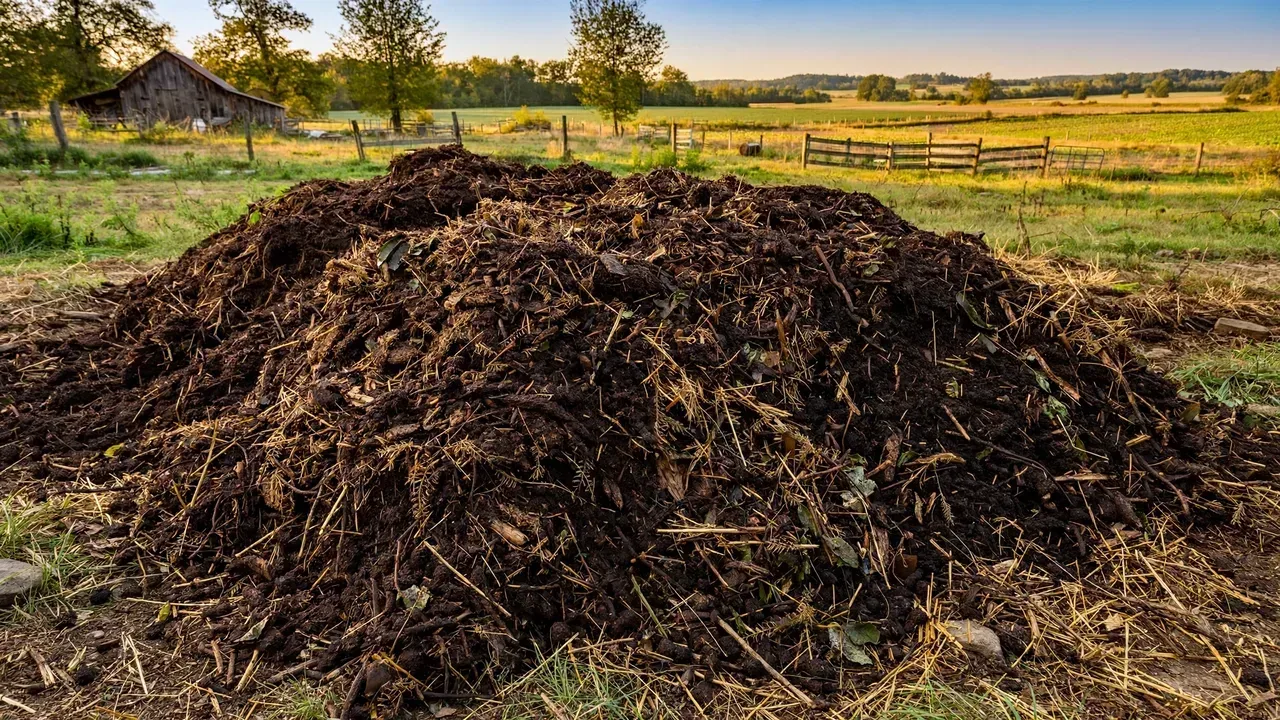
Calculate organic fertilizer requirement based onutrient content of manure, compost, or commercial organic fertilizer.
Results
Cómo Usar Esta Calculadora
Introduce los valores de entrada requeridos en los campos del formulario. Cada campo incluye valores predeterminados que puedes ajustar a tu situación específica. Haz clic en el botón Calcular para ver resultados instantáneos. Usa el interruptor Métrico/Imperial para cambiar entre sistemas de unidades. Los resultados se muestran en el panel de resultados y pueden usarse para la planificación y toma de decisiones agrícolas.
Acerca de Esta Herramienta
La Organic Fertilizer está diseñada para ayudar a agricultores, agrónomos y estudiantes agrícolas a realizar cálculos rápidos y precisos para la gestión de la finca. Esta herramienta utiliza fórmulas agrícolas estándar basadas en recomendaciones de servicios de extensión y literatura científica. Ya sea que estés planificando insumos, estimando rendimientos o gestionando finanzas, esta calculadora proporciona estimaciones confiables.
Aplicabilidad: Aplicable a cultivos de América Latina, con especial relevancia para maíz, soja, café, banano y caña de azúcar. Adapte las dosis a su análisis de suelo.
Cómo Funciona el Cálculo
Esta calculadora utiliza fórmulas agrícolas establecidas para calcular resultados a partir de tus valores de entrada. La metodología de cálculo sigue prácticas estándar recomendadas por servicios de extensión agrícola e instituciones de investigación. Todas las fórmulas son transparentes y pueden verificarse en la literatura agrícola publicada. La calculadora considera factores de eficiencia estándar y tasas de pérdida cuando corresponde. Para recomendaciones precisas, consulta a tu servicio de extensión local o a un agrónomo calificado.
Ejemplo Práctico
Un agricultor usa esta calculadora para planificar organic fertilizer en su operación. Al introducir sus datos específicos de campo, recibe cálculos instantáneos que le ayudan a tomar decisiones de gestión informadas. Los resultados le permiten comparar diferentes escenarios, optimizar insumos y estimar resultados antes de comprometer recursos. Esto ahorra tiempo, reduce desperdicio y mejora la eficiencia y rentabilidad general de la finca.
Consejos y Errores Comunes
Los errores comunes incluyen usar unidades incorrectas (verifica siempre métrico vs imperial), introducir datos estimados en lugar de medidos, ignorar las condiciones locales y recomendaciones de extensión, y sobreinterpretar los resultados (las calculadoras proporcionan estimaciones, no predicciones exactas). Para mejores resultados: usa entradas medidas y precisas, comprende los supuestos de la fórmula, verifica los resultados con tu experiencia, consulta a expertos locales para decisiones críticas, y usa análisis de escenarios.
Revisado por el Equipo Editorial de Agricalc — Ingenieros agrícolas y agrónomos con más de 10 años de experiencia en campo. Nuestro equipo verifica cada fórmula contra publicaciones de extensión revisadas por pares. Para asesoría específica, consulte a su agrónomo local.
Referencias
- FAO — Soil Fertility Management for Sustainable Agriculture
- USDA NRCS — Soil Health Management Guide
- University of Minnesota Extension — Soil pH and Liming Guide
Preguntas Frecuentes
What are the key considerations for Organic Fertilizer?
Key considerations for Organic Fertilizer include: understanding the specific requirements of the crop or practice (temperature, moisture, pH, nutrient needs), sourcing quality inputs (certified organic inputs, spawn/substrate ingredients), maintaining proper environmental controls (especially for mushrooms and protected crops), managing pests and diseases without synthetic chemicals (for organic production), record-keeping for certification (organic certification requires detailed records of all inputs and practices), and market development (specialty products often target premium markets requiring consistent quality and supply). Start small, learn the production system thoroughly, and scale gradually as you gain experience and establish markets.
How do I ensure quality in Organic Fertilizer production?
Ensure quality in Organic Fertilizer production through: using high-quality starting materials (certified seed/spawn, tested soil/substrate), maintaining optimal growing conditions (monitor temperature, humidity, light, airflow with sensors), implementing strict hygiene protocols (especially critical for mushroom cultivation — contamination can ruin entire batches), regular monitoring and inspection (catch problems early), proper harvesting at optimal maturity (over-mature products lose quality quickly), careful post-harvest handling (gentle handling, proper cooling, appropriate packaging), and traceability (record all production steps for quality control and certification. Quality consistency is essential for maintaining premium market access and customer loyalty.
What certifications are available for Organic Fertilizer?
Certifications relevant to Organic Fertilizer include: Organic certification (USDA Organic in the US, EU Organic in Europe — requires 3-year transition, prohibits synthetic inputs, requires detailed records), GlobalGAP (Good Agricultural Practices — food safety, traceability, worker welfare), Fair Trade (ensures fair prices and working conditions for producers), Rainforest Alliance (sustainability and social standards), and specialty certifications (e.g., Certified Humane for livestock, Non-GMO Project Verified). Certification costs include: application fees, annual inspection fees, documentation systems, and potential production changes. Benefits include: access to premium markets, price premiums (10-50%+), consumer trust, and improved production practices. Research market demand before investing in certification.
How do I manage pests and diseases in Organic Fertilizer?
Pest and disease management in Organic Fertilizer relies on integrated pest management (IPM) principles: prevention (crop rotation, resistant varieties, proper spacing for airflow, sanitation, healthy soil/building hygiene), monitoring (regular scouting, sticky traps, pheromone traps, environmental monitoring), cultural controls (adjusting temperature/humidity, proper watering, removing infected material), biological controls (beneficial insects, predatory mites, Bacillus thuringiensis, neem oil for organic), mechanical/physical controls (hand removal, row covers, netting, traps), and chemical controls only as a last resort (for organic production, only approved materials like copper, sulfur, neem). Early detection and rapid response are critical — small problems are much easier and cheaper to manage than large infestations.
What market opportunities exist for Organic Fertilizer products?
Market opportunities for Organic Fertilizer products include: direct-to-consumer (farmers markets, CSA/community supported agriculture, farm stands, online sales — typically highest margins), restaurants and chefs (premium prices for specialty, fresh, unique products), natural/organic food stores (growing demand for organic and specialty products), food processors and value-added (drying, canning, fermenting, extracts — adds value and extends shelf life), wholesale distributors (larger volume but lower margins), and export markets (specialty products with unique qualities may command premium prices internationally). Success factors: consistent quality and supply, product differentiation (unique varieties, organic certification, story/brand), reliable delivery, and building long-term customer relationships. Research local and regional demand before scaling production.