Aucun calcul pour l'instant
Aucun favori pour l'instant
Densité du Bétail
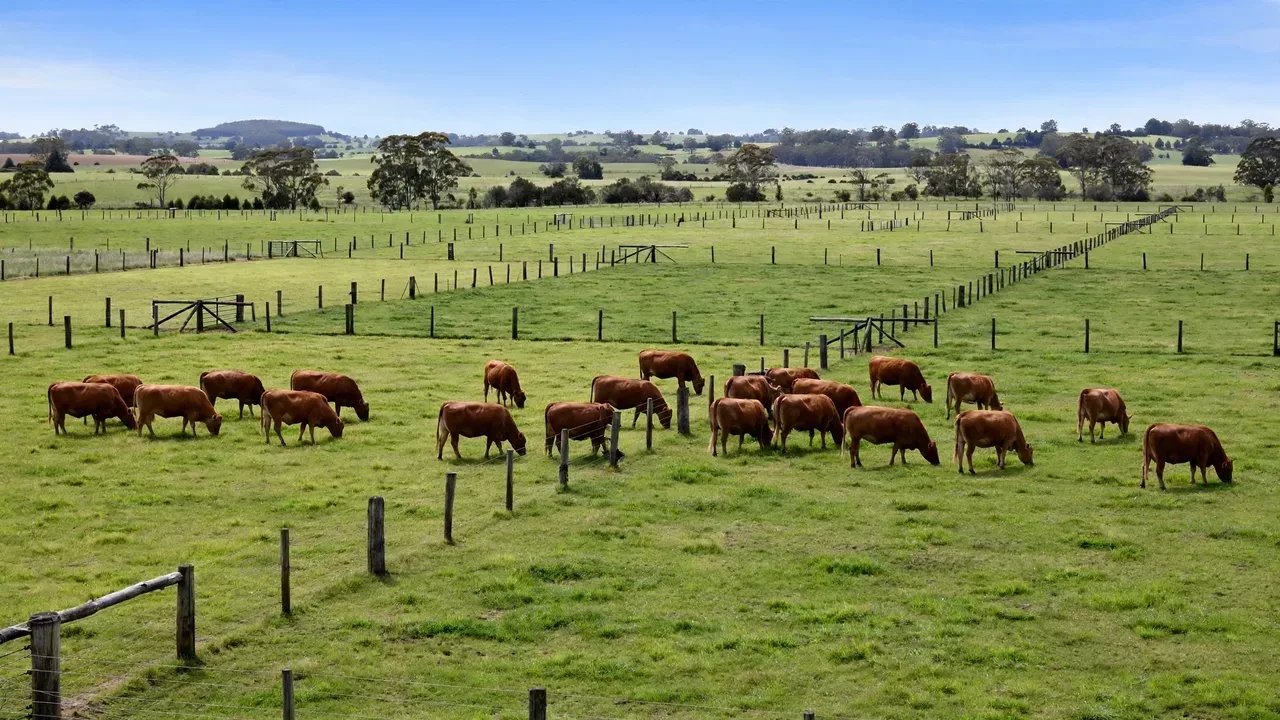
Calculer optimal stocking density and maximum animal capacity for barns, pens, and housing facilities.
Résultats
Comment Utiliser Cette Calculatrice
Entrez les valeurs d'entrée requises dans les champs du formulaire. Chaque champ inclut des valeurs par défaut que vous pouvez ajuster à votre situation spécifique. Cliquez sur le bouton Calculer pour voir des résultats instantanés. Utilisez le bouton Métrique/Impérial pour basculer entre les systèmes d'unités. Les résultats sont affichés dans le panneau de résultats et peuvent être utilisés pour la planification et la prise de décision agricole.
À Propos de Cet Outil
La Livestock Density est conçue pour aider les agriculteurs, les agronomes et les étudiants en agriculture à effectuer des calculs rapides et précis pour la gestion de l'exploitation. Cet outil utilise des formules agricoles standard basées sur les recommandations des services de vulgarisation et la littérature scientifique. Que vous planifiiez les intrants, estimiez les rendements ou gériez les finances, cette calculatrice fournit des estimations fiables.
Applicabilité: Ce calculateur est conçu pour l'élevage en Afrique francophone, avec une pertinence particulière pour la Côte d'Ivoire, le Sénégal et le Cameroun.
Comment Fonctionne le Calcul
Cette calculatrice utilise des formules agricoles établies pour calculer les résultats à partir de vos valeurs d'entrée. La méthodologie de calcul suit les pratiques standard recommandées par les services de vulgarisation agricole et les institutions de recherche. Toutes les formules sont transparentes et peuvent être vérifiées dans la littérature agricole publiée. La calculatrice tient compte des facteurs d'efficacité standard et des taux de perte le cas échéant. Pour des recommandations précises, consultez votre service de vulgarisation local ou un agronome qualifié.
Exemple Pratique
Un agriculteur utilise cette calculatrice pour planifier livestock density dans son exploitation. En entrant ses données de champ spécifiques, il reçoit des calculs instantanés qui l'aident à prendre des décisions de gestion éclairées. Les résultats lui permettent de comparer différents scénarios, d'optimiser les intrants et d'estimer les résultats avant d'engager des ressources. Cela fait gagner du temps, réduit le gaspillage et améliore l'efficacité et la rentabilité globales de l'exploitation.
Conseils et Erreurs Courantes
Les erreurs courantes incluent l'utilisation d'unités incorrectes (vérifiez toujours métrique vs impérial), la saisie de données estimées plutôt que mesurées, l'ignorance des conditions locales et des recommandations de vulgarisation, et la surinterprétation des résultats (les calculatrices fournissent des estimations, pas des prédictions exactes). Pour de meilleurs résultats : utilisez des entrées mesurées et précises, comprenez les hypothèses de la formule, vérifiez les résultats par rapport à votre expérience, consultez des experts locaux pour les décisions critiques, et utilisez l'analyse de scénarios.
Révisé par l'Équipe Éditoriale d'Agricalc — Ingénieurs agricoles et agronomes avec plus de 10 ans d'expérience sur le terrain. Notre équipe vérifie chaque formule contre des publications de vulgarisation révisées par des pairs. Pour des conseils spécifiques, consultez votre agronome local.
Références
- FAO — Livestock Production Systems and Management
- USDA APHIS — Livestock Health and Management Guide
- Penn State Extension — Livestock Density and Housing Management
Questions Fréquemment Posées
What is the optimal Livestock Density for different livestock species?
Optimal Livestock Density varies by species and production stage. For cattle: growing calves gain 0.8-1.2 kg/day on good nutrition, mature beef cows maintain weight on 2% of body weight DM/day. For pigs: growing-finishing pigs gain 0.7-0.9 kg/day with FCR of 2.5-3.0. For poultry: broilers reach 2 kg in 5-6 weeks with FCR of 1.6-1.9. For sheep: lambs gain 0.2-0.3 kg/day. Genetics, nutrition, health, and environment all influence actual performance. Regular weighing and record-keeping help identify underperforming animals and adjust management.
How do nutrition and Livestock Density relate?
Nutrition is the primary driver of Livestock Density. Energy (from carbohydrates and fats) fuels maintenance and growth; protein builds muscle and supports reproduction; minerals and vitamins are essential for bone development, immune function, and metabolic processes. Deficiencies limit growth even with adequate energy intake. For example, cattle on low-protein forage (<7% CP) cannot digest fiber efficiently, reducing intake and gain. Ration balancing using forage analysis and animal requirements (NRC or similar standards) optimizes Livestock Density while minimizing feed costs. Consult a nutritionist for complex rations.
What health issues affect Livestock Density?
Health issues that reduce Livestock Density include: parasitic infections (internal parasites reduce nutrient absorption by 10-30%), respiratory disease (shipping fever in cattle costs $50-100+ per affected animal), digestive disorders (acidosis in cattle on high-grain diets), lameness (reduces feed intake and mobility), reproductive failures (infertility, abortion), and metabolic diseases (milk fever, ketosis in dairy). Prevention through vaccination, parasite control, proper nutrition, biosecurity, and stress reduction is far more cost-effective than treatment. Regular health monitoring and prompt veterinary intervention minimize production losses.
How do I measure and track Livestock Density?
Measuring and tracking Livestock Density requires: regular weighing (cattle every 30-60 days, pigs every 2-4 weeks, poultry at key stages), using a calibrated scale or weight tape (for cattle, heart girth measurement estimates weight within 5-10%), recording individual or group weights, calculating average daily gain (ADG = (final weight − initial weight) ÷ days), tracking feed intake to calculate feed conversion ratio (FCR = feed consumed ÷ weight gain), and maintaining records in a spreadsheet or herd management software. Comparing actual performance against breed standards and historical data identifies problems early and evaluates management changes.
What environmental factors influence Livestock Density?
Environmental factors influencing Livestock Density include: temperature (heat stress above 25-30°C reduces feed intake by 10-30% and growth; cold stress increases energy requirements for maintenance), humidity (high humidity exacerbates heat stress), ventilation (poor air quality in barns causes respiratory disease and reduces growth), stocking density (overcrowding increases stress, aggression, and disease while reducing feed access), lighting (proper light cycles improve poultry growth and reproduction), and water quality/availability (clean water is essential — water intake correlates directly with feed intake). Providing a comfortable, low-stress environment maximizes genetic potential for growth.