EQIP Cost-Share Calculator

Estimate EQIP cost-share payments for conservation practices under the Environmental Quality Incentives Program for the 2026 fiscal year, using NRCS payment rates.
Results
Subject to your state’s payment schedule and local NRCS approval — estimates only; final rates are set by your state’s NRCS payment schedule. Contracts up to 10 years.
How to Use This Calculator
Select the conservation practice, enter the quantity, unit, and approved or estimated cost per unit, then indicate whether you are a historically underserved producer and any income foregone. Click Calculate to estimate your EQIP cost-share payment, out-of-pocket cost, and total assistance.
About This Tool
The EQIP Cost-Share Calculator estimates payments under the Environmental Quality Incentives Program (EQIP), the NRCS program that helps farmers and ranchers put conservation practices in place. It applies the FY2026 cost-share rates — 75% of approved practice costs for most producers, 90% for historically underserved producers, and up to 100% for income foregone — to estimate your payment before you sign. Applicability: For U.S. farmers, ranchers, and forest landowners working with their local NRCS office; final payments depend on your state’s NRCS payment schedule and contract approval.
How the Calculation Works
Approved cost = quantity × cost per unit. Cost-share rate = 90% for historically underserved producers, 75% otherwise. Estimated cost-share payment = approved cost × rate. Farmer out-of-pocket = approved cost − cost-share payment. Income-foregone payment = income foregone × 100% (income foregone may be compensated at up to 100%). Total estimated assistance = cost-share payment + income-foregone payment. EQIP contracts run up to 10 years; rates and practice caps are set by each state’s NRCS payment schedule, so this calculator’s figures are estimates only.
H0 acres of cover crop × $50/ac = $5,000 approved cost. Historically underserved → 90% rate → cost-share payment = $4,500, farmer out-of-pocket = $500. Income foregone of $2,000 → compensated at 100% = $2,000. Total estimated assistance = 4,500 + 2,000 = $6,500.
Real-World Example
100 acres of cover crop at $50/acre = $5,000 approved cost. As a historically underserved producer, EQIP covers 90%: $5,000 × 0.90 = $4,500 cost-share, $500 out of pocket. $2,000 of income foregone is compensated at 100% = $2,000. Total estimated assistance = $4,500 + $2,000 = $6,500. A non-underserved producer would receive $5,000 × 0.75 = $3,750.
Common Mistakes & Tips
Common mistakes include using your actual contractor quote instead of the approved cost in your state’s NRCS payment schedule, forgetting that the 90% rate applies only to historically underserved producers (not every participant), assuming income-foregone payments are automatic (they must be documented and approved), and treating the estimate as final — the payment schedule and your NRCS contract set the actual amounts.
Reviewed by Agricalc Editorial Team — Agricultural engineers and agronomists with 10+ years of field experience. Our team verifies every calculator formula against peer-reviewed extension publications. For site-specific advice, consult your local agronomist.
References
- USDA — NRCS Explanatory Notes (75%/90%/100% cost-share rates, 10-year contracts)
- USDA — Farmers First: OBBBA farm provisions overview
- NRCS — EQIP (Environmental Quality Incentives Program) official program page
Frequently Asked Questions
What does EQIP pay for?
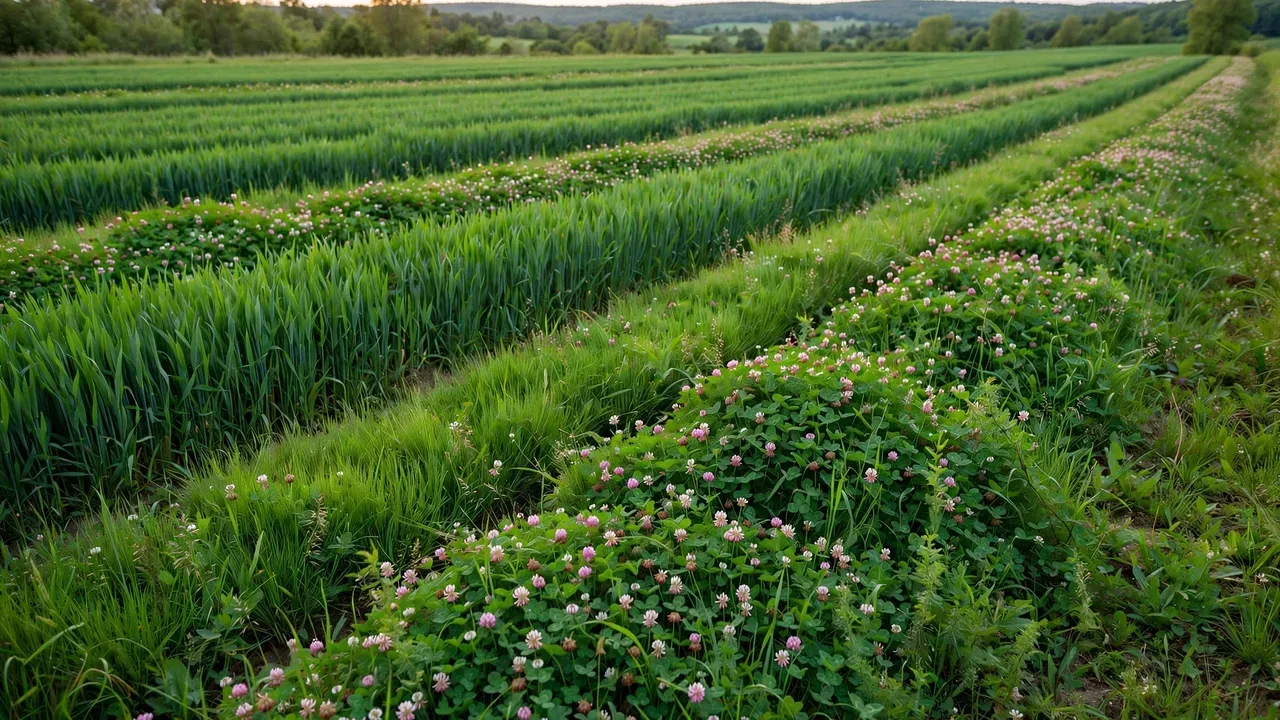
EQIP provides cost-share payments to help you install conservation practices — cover crops, fencing, nutrient management, irrigation water management, forest stand improvement, and many others. It pays a share of the approved practice cost (75% for most producers, 90% for historically underserved producers) and can also compensate income foregone at up to 100%. Use this calculator to estimate both before you apply.
Who counts as a historically underserved producer?
NRCS defines historically underserved producers as beginning farmers and ranchers (10 or fewer years of experience), socially disadvantaged farmers and ranchers, veteran farmers and ranchers, and limited-resource farmers and ranchers. These producers qualify for the higher 90% cost-share rate and may receive priority funding and advance payments. If you qualify, select “Yes” in the calculator.
How do I use my state’s NRCS payment schedule?
Each state’s NRCS office publishes a payment schedule listing the approved cost per practice and unit (for example, dollars per acre for cover crops). Find your practice on the schedule, enter the quantity you plan and the approved cost per unit into this calculator, and it will apply the 75% or 90% rate to that approved cost — not to your contractor’s quote.
How long do EQIP contracts last?
EQIP contracts run up to 10 years, depending on the practices and the conservation plan you agree on with your local NRCS office. Most structural and management practices are scheduled over several years, so the cost-share estimate from this calculator may be spread across the contract period.
What is the income-foregone payment?
When a conservation practice reduces your production income — for example, retiring cropland for a wildlife buffer — EQIP can compensate the documented income loss at up to 100%. Enter the estimated annual loss in the “income foregone” field; the calculator adds it to your total estimated assistance. Your NRCS office must verify and approve the amount.