How Much Can Drip Irrigation Save You? A Real Calculation
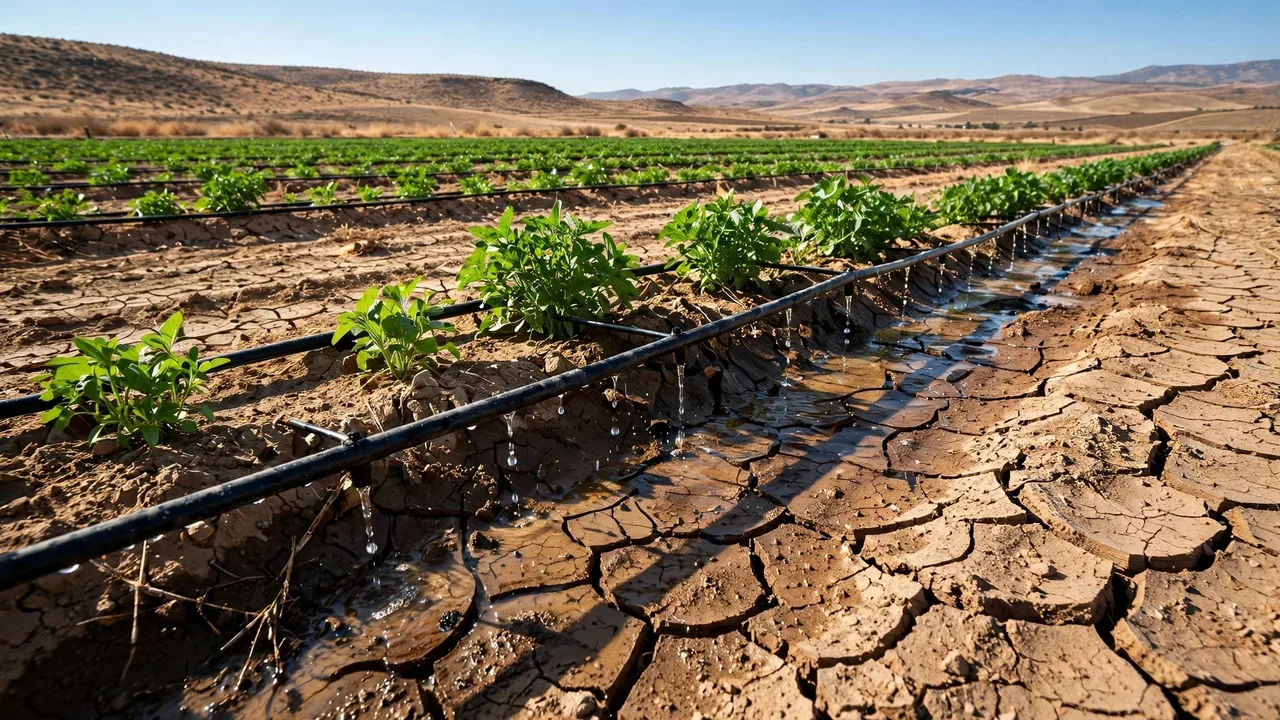
Drip irrigation is often promoted as a water-saving technology, but how much does it actually save? And does the cost savings justify the investment? In this article, we walk through a real calculation for a 5-hectare tomato farm using our irrigation calculators.
Related calculators:
Recommended Irrigation Supplies
Tools to help you save water and money on irrigation
Drip Irrigation Kit - 100ft
Complete drip irrigation system
Soil Moisture Meter - 3-in-1
pH, moisture, lightester
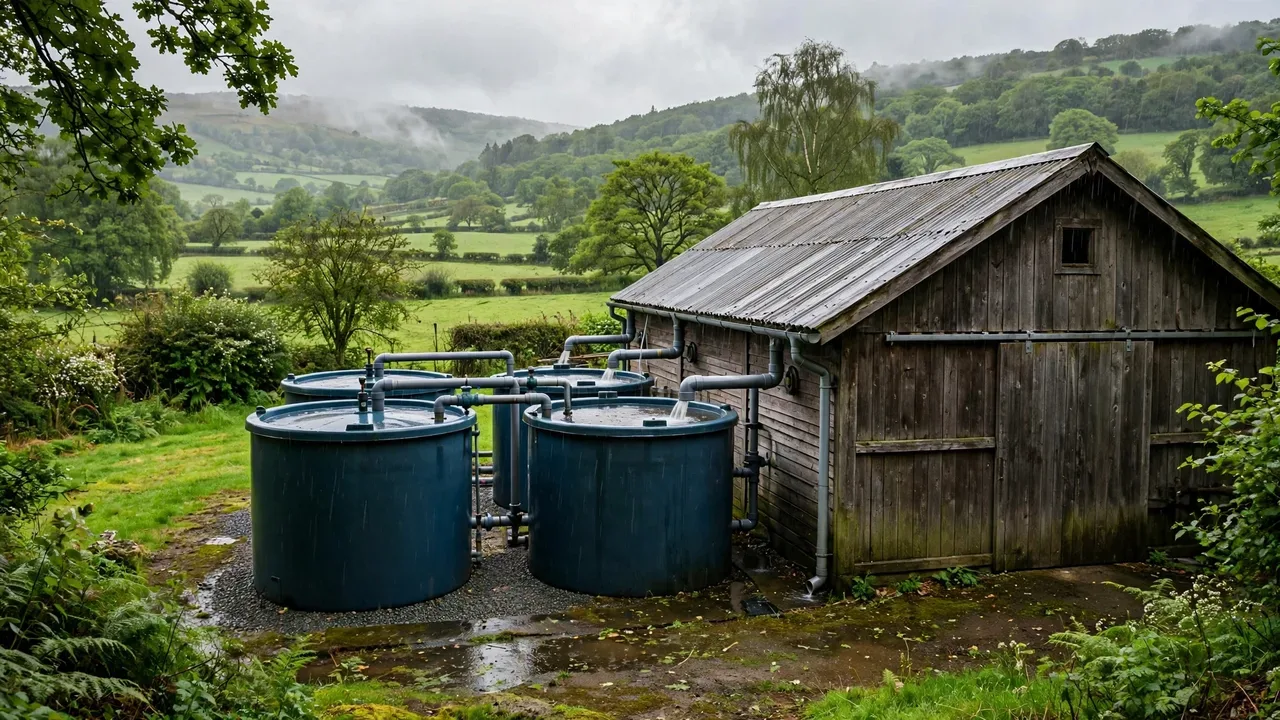
Rain Barrel - 50 Gallon
Collapsible rain water collection barrel
As an Amazon Associate, wearn from qualifying purchases. This helps support our free calculators at no extra costo you.
Frequently Asked Questions
How much water does drip irrigation save compared to sprinklers?
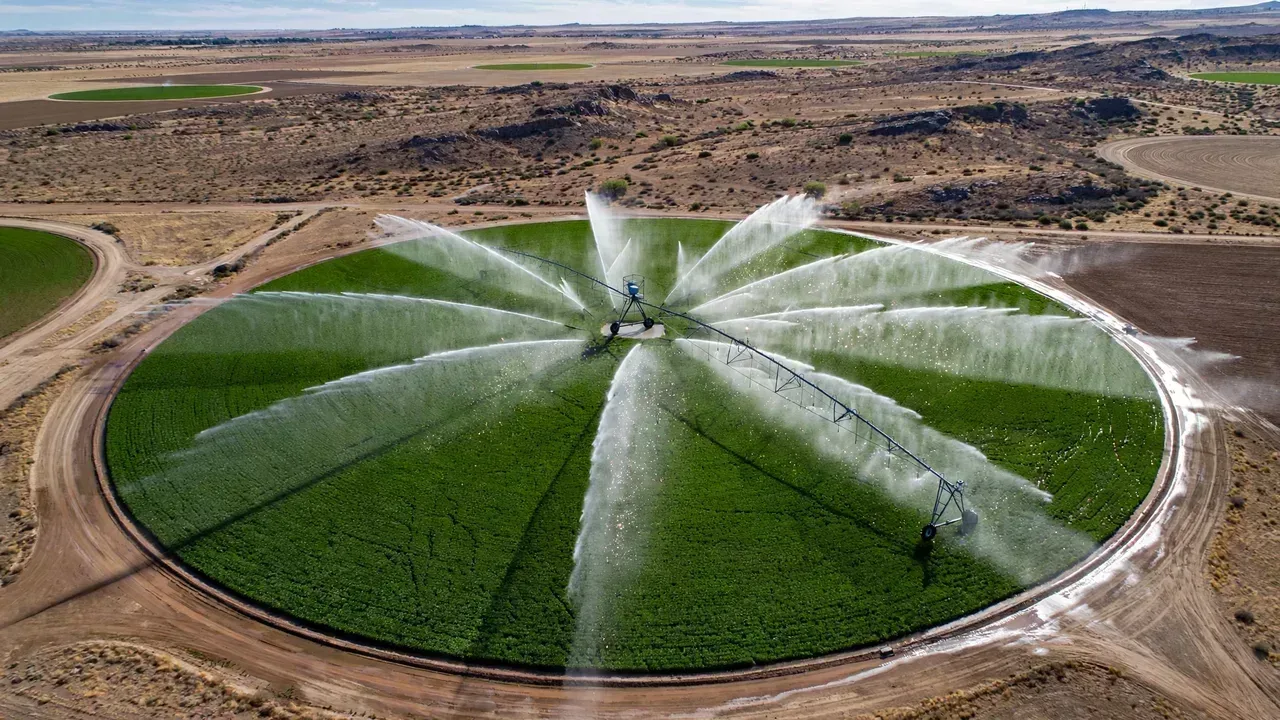
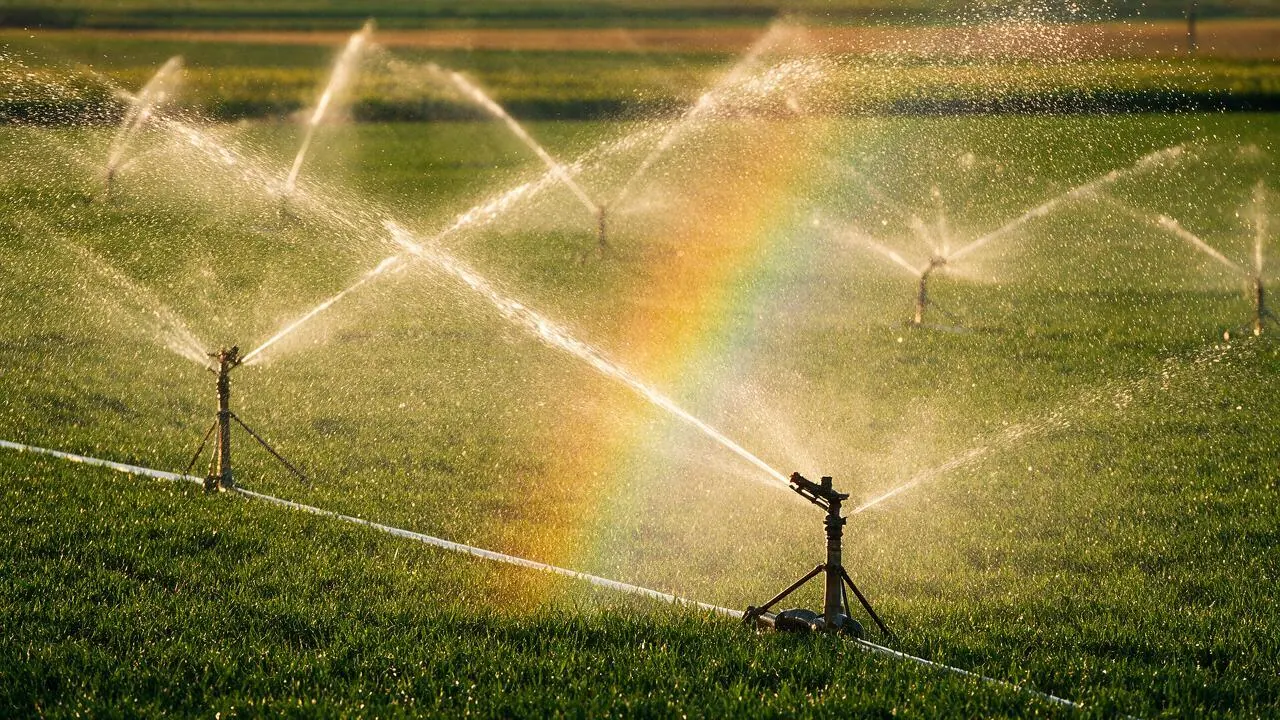
Drip irrigation typically saves 30-60% of water compared to sprinkler systems, and up to 70% compared to flood irrigation. The savings come from reduced evaporation, no wind drift, targeted root-zone application, and higher application efficiency (85-95% vs 60-80% for sprinklers). On a 10-hectare farm, this can mean saving 5-15 million liters per season.
How do I calculate the cost savings from drip irrigation?
Calculate annual savings by comparing: Water Cost Savings = (Water Used Old Method - Water Used Drip) × Water Price; Energy Savings = (Pumping Hours Old - Pumping Hours Drip) × Energy Rate; Fertilizer Savings = (Fertilizer Used Old - Fertilizer Used Drip) × Fertilizer Price; Labor Savings = (Labor Hours Old - Labor Hours Drip) × Labor Rate. Use an irrigation cost per hectare calculator to model all variables.
What is the typical payback period for a drip irrigation system?
Payback periods range from 1-5 years depending on crop value, water cost, energy cost, and system size. High-value vegetable crops with expensive water/energy often pay back in 1-2 years. Field crops may take 3-5 years. Calculate: Payback Period = System Installation Cost ÷ Annual Net Savings. Include any government subsidies or grants in your calculation.
Does drip irrigation save fertilizer too?
Yes. Drip irrigation with fertigation can reduce fertilizer use by 20-50% by delivering nutrients directly to the root zone in precise amounts, reducing leaching and runoff. Nutrients are applied in small, frequent doses that match crop uptake, rather than in large broadcast applications that are prone to loss. This also reduces groundwater contamination risk.
References & Sources
- FAO (Food and Agriculture Organization) - Irrigation and Drainage Paper 56: Crop Evapotranspiration
- USDA (United States Department of Agriculture) - Natural Resources Conservation Service (NRCS) Guidelines
- IPCC (Intergovernmental Panel on Climate Change) - 2019 Refinement to the 2006 IPCC Guidelines for National Greenhouse Gas Inventories
- NRC (National Research Council) - Nutrient Requirements of Domestic Animals Series
- Extension Services - Land-Grant University Cooperative Extension System
This content is for informational purposes only. Always consult with local agricultural experts and extension services for site-specific recommendations.