No hay cálculos aún
No hay favoritos aún
Pérdidas de Cosecha
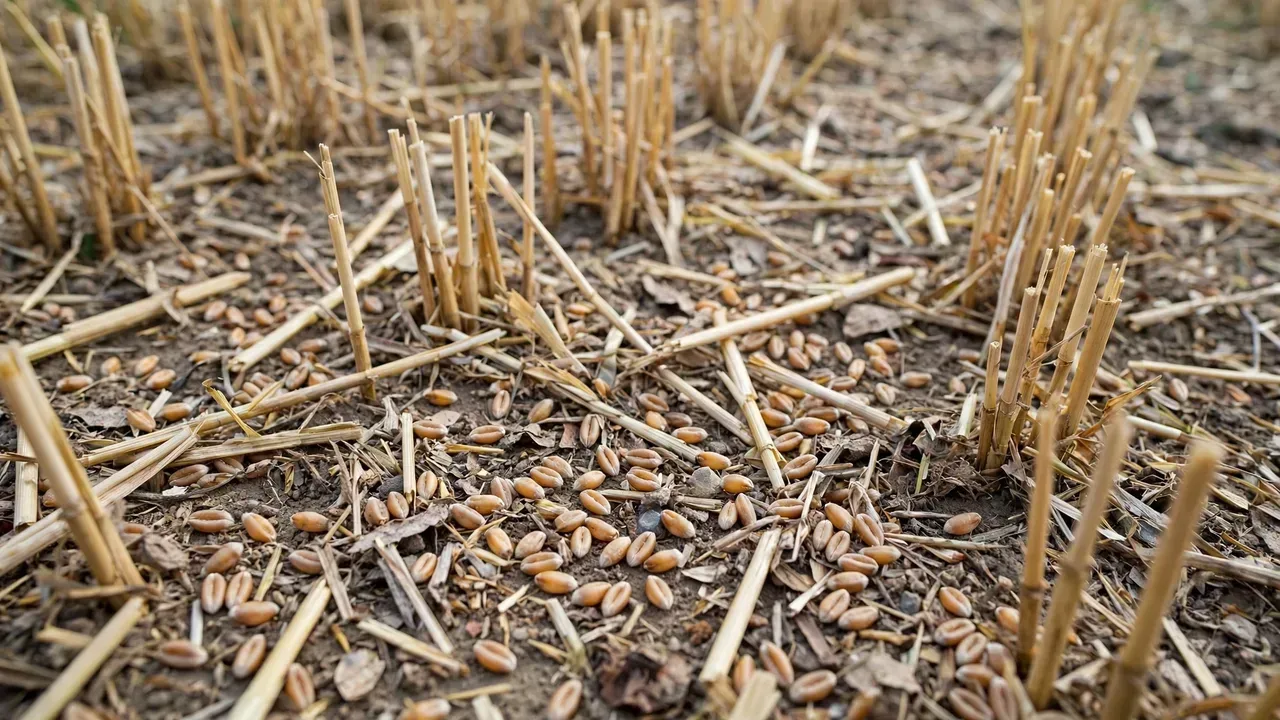
Estimate harvest losses from pre-harvest, harvesting, and post-harvest handling to identify where to improvefficiency.
Results
Cómo Usar Esta Calculadora
Introduce los valores de entrada requeridos en los campos del formulario. Cada campo incluye valores predeterminados que puedes ajustar a tu situación específica. Haz clic en el botón Calcular para ver resultados instantáneos. Usa el interruptor Métrico/Imperial para cambiar entre sistemas de unidades. Los resultados se muestran en el panel de resultados y pueden usarse para la planificación y toma de decisiones agrícolas.
Acerca de Esta Herramienta
La Harvest Loss está diseñada para ayudar a agricultores, agrónomos y estudiantes agrícolas a realizar cálculos rápidos y precisos para la gestión de la finca. Esta herramienta utiliza fórmulas agrícolas estándar basadas en recomendaciones de servicios de extensión y literatura científica. Ya sea que estés planificando insumos, estimando rendimientos o gestionando finanzas, esta calculadora proporciona estimaciones confiables.
Aplicabilidad: Aplicable a cultivos principales (maíz, soja, café, caña) en México, Argentina, Colombia y Perú.
Cómo Funciona el Cálculo
Esta calculadora utiliza fórmulas agrícolas establecidas para calcular resultados a partir de tus valores de entrada. La metodología de cálculo sigue prácticas estándar recomendadas por servicios de extensión agrícola e instituciones de investigación. Todas las fórmulas son transparentes y pueden verificarse en la literatura agrícola publicada. La calculadora considera factores de eficiencia estándar y tasas de pérdida cuando corresponde. Para recomendaciones precisas, consulta a tu servicio de extensión local o a un agrónomo calificado.
Ejemplo Práctico
Un agricultor usa esta calculadora para planificar harvest loss en su operación. Al introducir sus datos específicos de campo, recibe cálculos instantáneos que le ayudan a tomar decisiones de gestión informadas. Los resultados le permiten comparar diferentes escenarios, optimizar insumos y estimar resultados antes de comprometer recursos. Esto ahorra tiempo, reduce desperdicio y mejora la eficiencia y rentabilidad general de la finca.
Consejos y Errores Comunes
Los errores comunes incluyen usar unidades incorrectas (verifica siempre métrico vs imperial), introducir datos estimados en lugar de medidos, ignorar las condiciones locales y recomendaciones de extensión, y sobreinterpretar los resultados (las calculadoras proporcionan estimaciones, no predicciones exactas). Para mejores resultados: usa entradas medidas y precisas, comprende los supuestos de la fórmula, verifica los resultados con tu experiencia, consulta a expertos locales para decisiones críticas, y usa análisis de escenarios.
Revisado por el Equipo Editorial de Agricalc — Ingenieros agrícolas y agrónomos con más de 10 años de experiencia en campo. Nuestro equipo verifica cada fórmula contra publicaciones de extensión revisadas por pares. Para asesoría específica, consulte a su agrónomo local.
Referencias
- FAO — Post-Harvest Loss Reduction in Developing Countries
- USDA — Post-Harvest Management of Grains
- University of Nebraska-Lincoln Extension — Harvest Loss Reduction and Combine Adjustment
Preguntas Frecuentes
What factors affect Harvest Loss the most?
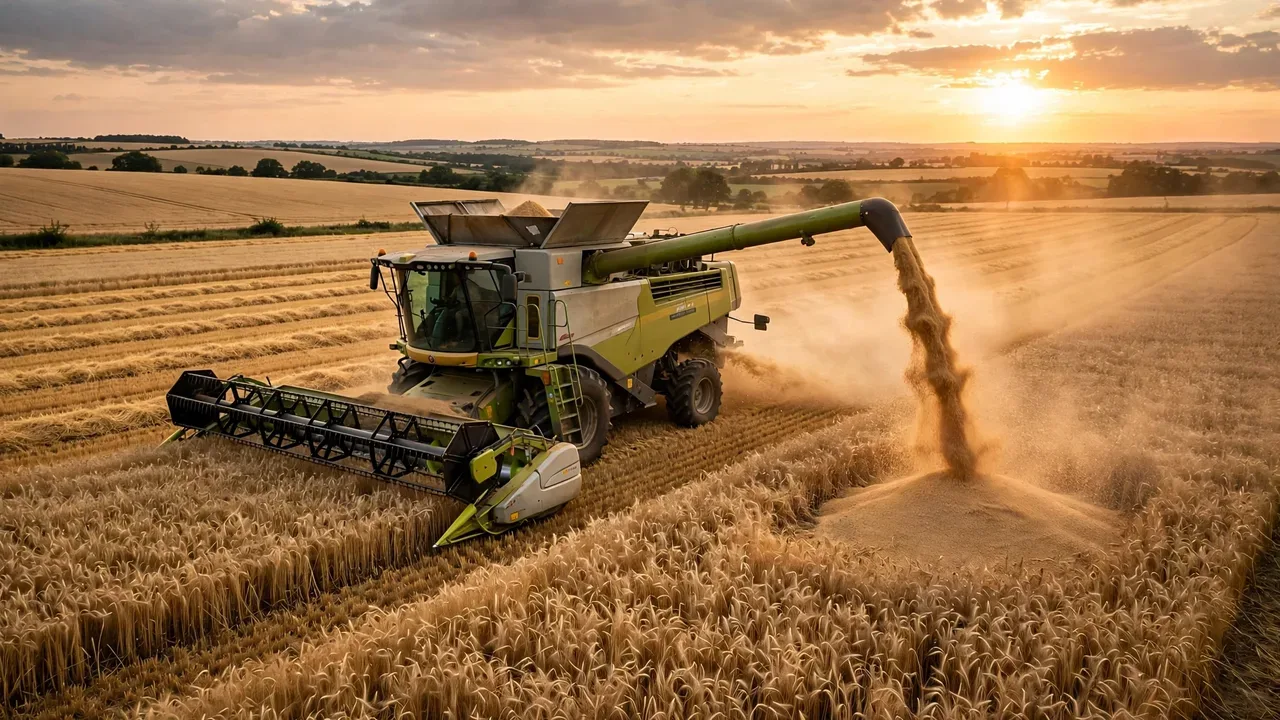
The main factors affecting Harvest Loss include: crop maturity at harvest, weather conditions (rain, wind, humidity), machine type and adjustment, operator skill, field conditions (slope, soil moisture), and post-harvest handling. Grain crops typically lose 1-5% during combining, while perishable fruits and vegetables can lose 10-30% through bruising and decay. Proper timing and equipment maintenance are the most controllable factors.
How do I measure Harvest Loss accurately?
To measure Harvest Loss accurately: (1) Mark representative sample plots before harvest, (2) Weigh or count production in sample areas, (3) Compare with actual harvested yield, (4) Track losses at each stage separately (field, transport, storage), (5) Repeat measurements across the field for statistical reliability. For grain, use a 1 m² frame behind the combine. For fruits, weigh discarded fruit at each handling point. Regular audits identify where losses occur.
What is the economic impact of Harvest Loss?
The economic impact of Harvest Loss is direct: lost production = lost revenue. A 5% loss on a 100-ton crop at $250/ton equals $1,250 in lost revenue. When multiplied across fields and years, even small percentage losses represent significant income. Loss reduction investments (equipment maintenance, storage upgrades, handling training) often have payback periods of 1-3 years. Reducing losses also improves farm efficiency without increasing planted area or inputs.
How can technology help reduce Harvest Loss?
Modern technologies reduce Harvest Loss through: yield monitoring systems on combines that map loss variability, moisture sensors that optimize harvest timing, GPS-guided steering that reduces overlap and missed areas, automated combine settings that adjust to crop conditions, cold chain monitoring for perishables, and drone/aerial imaging that identifies problem areas before harvest. Even basic tools like harvest loss pans and regular equipment calibration can reduce losses by 30-50%.
What are best practices for minimizing Harvest Loss?
Best practices for minimizing Harvest Loss: (1) Harvest at optimal maturity and moisture content, (2) Maintain and calibrate equipment regularly, (3) Match ground speed to crop conditions, (4) Check behind machines for unharvested product, (5) Handle product gently to avoid bruising/damage, (6) Store under proper temperature and moisture conditions, (7) Train workers on proper handling techniques, (8) Monitor losses regularly and adjust practices. Even small improvements at each stage compound to significant total savings.