Harvest Loss Calculator
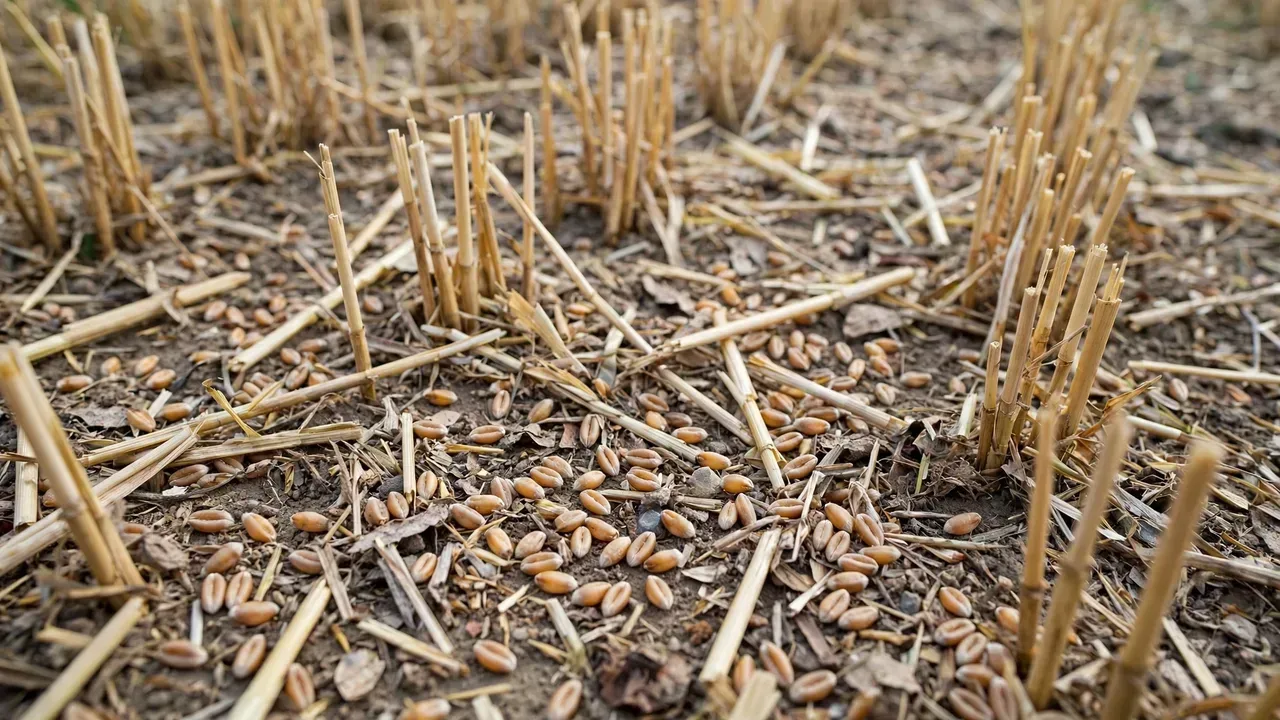
Estimate harvest losses from pre-harvest, harvesting, and post-harvest handling to identify where to improve efficiency.
Results
How to Use This Calculator
Enter the required input values in the form fields above. Each field includes default values that you can adjust to match your specific situation. Click the Calculate button to see instant results. Use the Metric/Imperial toggle to switch between unit systems. Results are displayed in the results panel and can be used for farm planning and decision-making.
About This Tool
The Harvest Loss is designed to help farmers, agronomists, and agricultural students make quick, accurate calculations for farm management. This tool uses standard agricultural formulas based on extension service recommendations and scientific literature. Whether you are planning inputs, estimating yields, or managing finances, this calculator provides reliable estimates to support your decisions.
Applicability: Applicable to major field crops (corn, soybeans, wheat) in North America and Europe, adaptable worldwide.
How the Calculation Works
This calculator uses established agricultural formulas to compute results from your input values. The calculation methodology follows standard practices recommended by agricultural extension services and research institutions. All formulas are transparent and can be verified against published agricultural literature. The calculator accounts for standard efficiency factors and loss rates where applicable. For precise site-specific recommendations, consult your local agricultural extension service or a qualified agronomist.
Real-World Example
A farmer uses this calculator to plan harvest loss for their operation. By entering their specific field data, they receive instant calculations that help them make informed management decisions. The results allow them to compare different scenarios, optimize inputs, and estimate outcomes before committing resources. This saves time, reduces waste, and improves overall farm efficiency and profitability.
Common Mistakes & Tips
Common mistakes include using incorrect units (always verify metric vs imperial), entering estimated rather than measured data, ignoring local conditions and extension recommendations, and over-interpreting results (calculators provide estimates, not exact predictions). For best results: use accurate measured inputs, understand the formula assumptions, verify results against experience, consult local experts for critical decisions, and use scenario analysis to compare options before acting.
Reviewed by Agricalc Editorial Team — Agricultural engineers and agronomists with 10+ years of field experience. Our team verifies every calculator formula against peer-reviewed extension publications. For site-specific advice, consult your local agronomist.
References
- FAO — Post-Harvest Loss Reduction in Developing Countries
- USDA — Post-Harvest Management of Grains
- University of Nebraska-Lincoln Extension — Harvest Loss Reduction and Combine Adjustment
Frequently Asked Questions
What factors affect Harvest Loss the most?
The main factors affecting Harvest Loss include: crop maturity at harvest, weather conditions (rain, wind, humidity), machine type and adjustment, operator skill, field conditions (slope, soil moisture), and post-harvest handling. Grain crops typically lose 1-5% during combining, while perishable fruits and vegetables can lose 10-30% through bruising and decay. Proper timing and equipment maintenance are the most controllable factors.
How do I measure Harvest Loss accurately?
To measure Harvest Loss accurately: (1) Mark representative sample plots before harvest, (2) Weigh or count production in sample areas, (3) Compare with actual harvested yield, (4) Track losses at each stage separately (field, transport, storage), (5) Repeat measurements across the field for statistical reliability. For grain, use a 1 m² frame behind the combine. For fruits, weigh discarded fruit at each handling point. Regular audits identify where losses occur.
What is the economic impact of Harvest Loss?
The economic impact of Harvest Loss is direct: lost production = lost revenue. A 5% loss on a 100-ton crop at $250/ton equals $1,250 in lost revenue. When multiplied across fields and years, even small percentage losses represent significant income. Loss reduction investments (equipment maintenance, storage upgrades, handling training) often have payback periods of 1-3 years. Reducing losses also improves farm efficiency without increasing planted area or inputs.
How can technology help reduce Harvest Loss?
Modern technologies reduce Harvest Loss through: yield monitoring systems on combines that map loss variability, moisture sensors that optimize harvest timing, GPS-guided steering that reduces overlap and missed areas, automated combine settings that adjust to crop conditions, cold chain monitoring for perishables, and drone/aerial imaging that identifies problem areas before harvest. Even basic tools like harvest loss pans and regular equipment calibration can reduce losses by 30-50%.
What are best practices for minimizing Harvest Loss?
Best practices for minimizing Harvest Loss: (1) Harvest at optimal maturity and moisture content, (2) Maintain and calibrate equipment regularly, (3) Match ground speed to crop conditions, (4) Check behind machines for unharvested product, (5) Handle product gently to avoid bruising/damage, (6) Store under proper temperature and moisture conditions, (7) Train workers on proper handling techniques, (8) Monitor losses regularly and adjust practices. Even small improvements at each stage compound to significant total savings.