No hay cálculos aún
No hay favoritos aún
Temperatura y Humedad
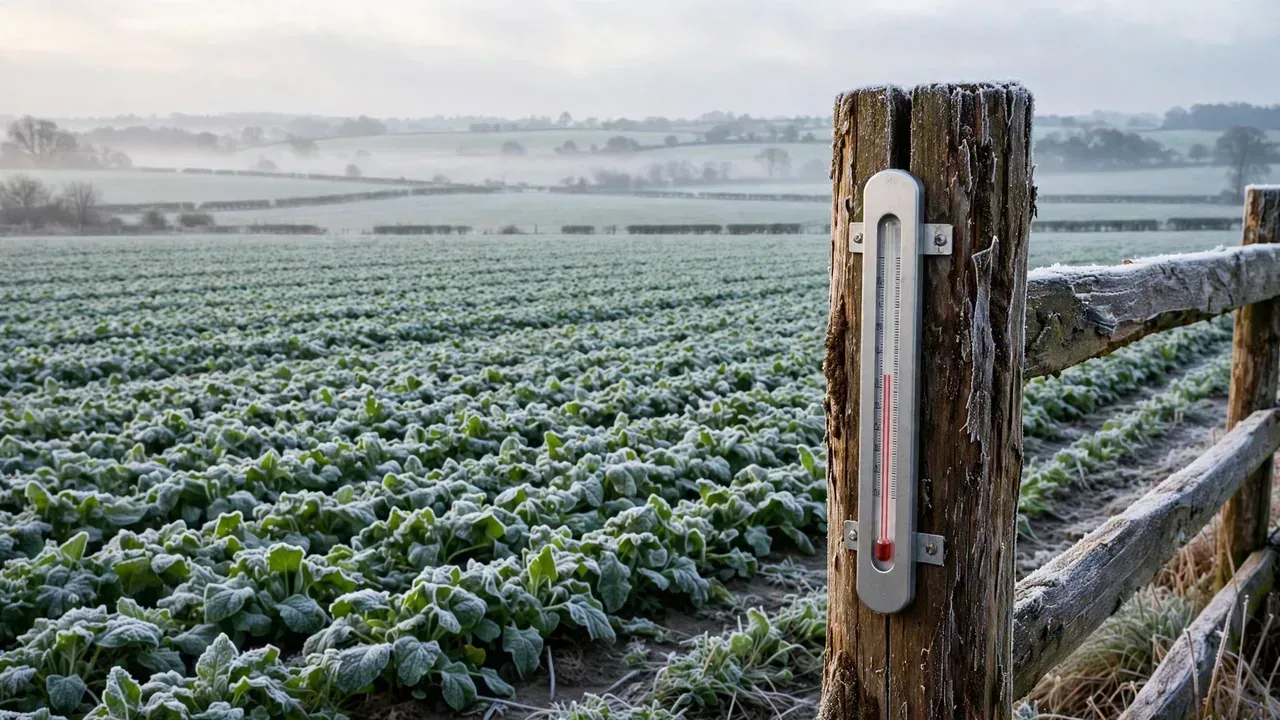
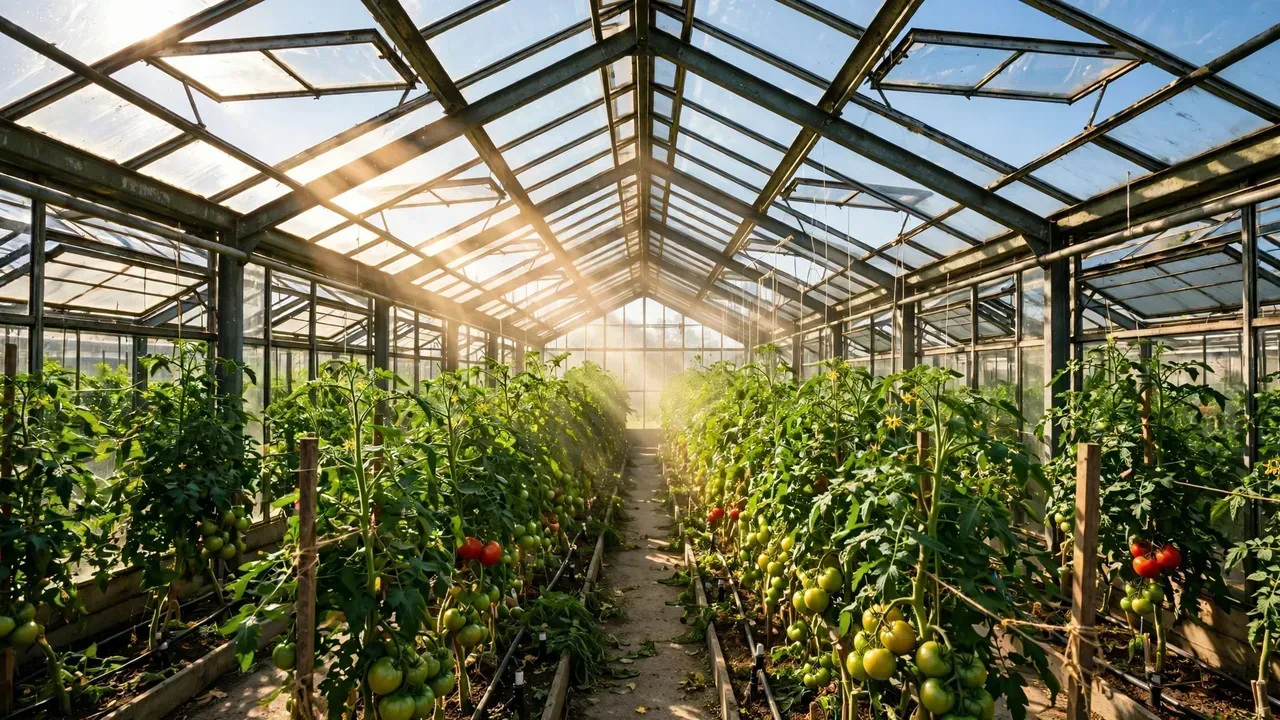
Convert between Celsius, Fahrenheit, Kelvin, and calculate dew point for greenhouse management.
Results
Cómo Usar Esta Calculadora
Introduce los valores de entrada requeridos en los campos del formulario. Cada campo incluye valores predeterminados que puedes ajustar a tu situación específica. Haz clic en el botón Calcular para ver resultados instantáneos. Usa el interruptor Métrico/Imperial para cambiar entre sistemas de unidades. Los resultados se muestran en el panel de resultados y pueden usarse para la planificación y toma de decisiones agrícolas.
Acerca de Esta Herramienta
La Temp Converter está diseñada para ayudar a agricultores, agrónomos y estudiantes agrícolas a realizar cálculos rápidos y precisos para la gestión de la finca. Esta herramienta utiliza fórmulas agrícolas estándar basadas en recomendaciones de servicios de extensión y literatura científica. Ya sea que estés planificando insumos, estimando rendimientos o gestionando finanzas, esta calculadora proporciona estimaciones confiables.
Aplicabilidad: Útil para gestión de fincas en diversas regiones de América Latina.
Cómo Funciona el Cálculo
Esta calculadora utiliza fórmulas agrícolas establecidas para calcular resultados a partir de tus valores de entrada. La metodología de cálculo sigue prácticas estándar recomendadas por servicios de extensión agrícola e instituciones de investigación. Todas las fórmulas son transparentes y pueden verificarse en la literatura agrícola publicada. La calculadora considera factores de eficiencia estándar y tasas de pérdida cuando corresponde. Para recomendaciones precisas, consulta a tu servicio de extensión local o a un agrónomo calificado.
Ejemplo Práctico
Un agricultor usa esta calculadora para planificar temp converter en su operación. Al introducir sus datos específicos de campo, recibe cálculos instantáneos que le ayudan a tomar decisiones de gestión informadas. Los resultados le permiten comparar diferentes escenarios, optimizar insumos y estimar resultados antes de comprometer recursos. Esto ahorra tiempo, reduce desperdicio y mejora la eficiencia y rentabilidad general de la finca.
Consejos y Errores Comunes
Los errores comunes incluyen usar unidades incorrectas (verifica siempre métrico vs imperial), introducir datos estimados en lugar de medidos, ignorar las condiciones locales y recomendaciones de extensión, y sobreinterpretar los resultados (las calculadoras proporcionan estimaciones, no predicciones exactas). Para mejores resultados: usa entradas medidas y precisas, comprende los supuestos de la fórmula, verifica los resultados con tu experiencia, consulta a expertos locales para decisiones críticas, y usa análisis de escenarios.
Revisado por el Equipo Editorial de Agricalc — Ingenieros agrícolas y agrónomos con más de 10 años de experiencia en campo. Nuestro equipo verifica cada fórmula contra publicaciones de extensión revisadas por pares. Para asesoría específica, consulte a su agrónomo local.
Referencias
- FAO — Sustainable Agriculture and Rural Development
- USDA — Agricultural Production and Management Guidelines
- University of Minnesota Extension — Agricultural Production Guides
Preguntas Frecuentes
Why is accurate Temp Converter important in agriculture?
Accurate Temp Converter is critical in agriculture because: crop growth and development depend on specific temperature ranges (each crop has base, optimal, and maximum temperatures — growing degree days calculate heat accumulation), pesticide efficacy is temperature-dependent (some pesticides work better at certain temperatures, and volatility increases with heat), livestock performance declines outside thermoneutral zones (heat stress reduces milk production by 10-25% in dairy cows, cold stress increases feed requirements), storage conditions require precise temperature control (grain storage, cold chains for perishables), and greenhouse climate control relies on accurate temperature monitoring. Even small temperature errors can lead to incorrect decisions affecting yield, quality, and profitability.
How do I convert between temperature scales for Temp Converter?
Temperature conversions for Temp Converter: Celsius to Fahrenheit: °F = (°C × 9/5) + 32. Fahrenheit to Celsius: °C = (°F − 32) × 5/9. Celsius to Kelvin: K = °C + 273.15. Kelvin to Celsius: °C = K − 273.15. Fahrenheit to Kelvin: K = (°F + 459.67) × 5/9. Common agricultural reference points: water freezes at 0°C = 32°F = 273.15K; water boils at 100°C = 212°F = 373.15K; normal body temperature 37°C = 98.6°F; typical greenhouse day temperature 20-25°C = 68-77°F; grain storage temperature <15°C = 59°F for long-term storage. Always verify which scale your instruments use — mixing up °C and °F can cause serious errors (e.g., 32°C vs 32°F is a 57°C difference!).
What temperature ranges are optimal for common crops?
Optimal temperature ranges for common crops: cool-season crops (lettuce, spinach, peas, broccoli, wheat) grow best at 15-20°C (59-68°F), can tolerate light frost, and bolt (go to seed) above 25°C; warm-season crops (corn, tomatoes, peppers, cucumbers, soybeans, cotton) grow best at 20-30°C (68-86°F), are damaged by frost, and may suffer heat stress above 35°C; tropical crops (bananas, cocoa, coffee, rice) require 20-35°C (68-95°F) and are damaged below 10-15°C. Soil temperature for germination: cool-season crops 5-10°C minimum, warm-season crops 15-20°C minimum. Using growing degree days (GDD) helps predict crop development stages based on accumulated heat units.
How does temperature affect livestock in Temp Converter contexts?
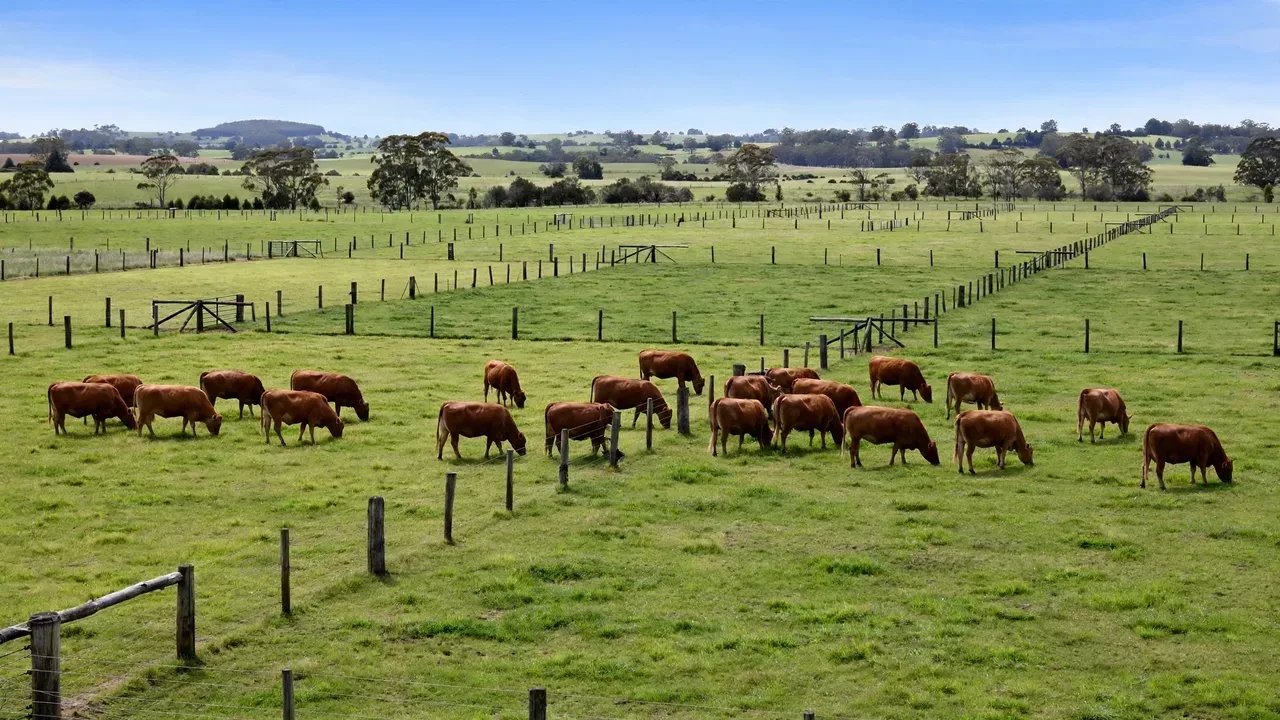
Temperature significantly affects livestock in Temp Converter contexts through: thermoneutral zone (the temperature range where animals don't need extra energy for heating or cooling — cattle 5-25°C, pigs 15-25°C, poultry 18-24°C, sheep 5-25°C), heat stress (above upper critical temperature: reduced feed intake 10-30%, reduced milk production in dairy, reduced reproduction, increased mortality risk — mitigation: shade, fans, sprinklers, water, feeding during cool hours), cold stress (below lower critical temperature: increased energy requirements 10-50%, reduced growth, increased disease susceptibility — mitigation: shelter, bedding, increased feed, windbreaks). Temperature-humidity index (THI) combines temperature and humidity to assess heat stress risk — THI >72 indicates mild stress, >78 severe stress for cattle.
What tools and methods are used for Temp Converter measurement?
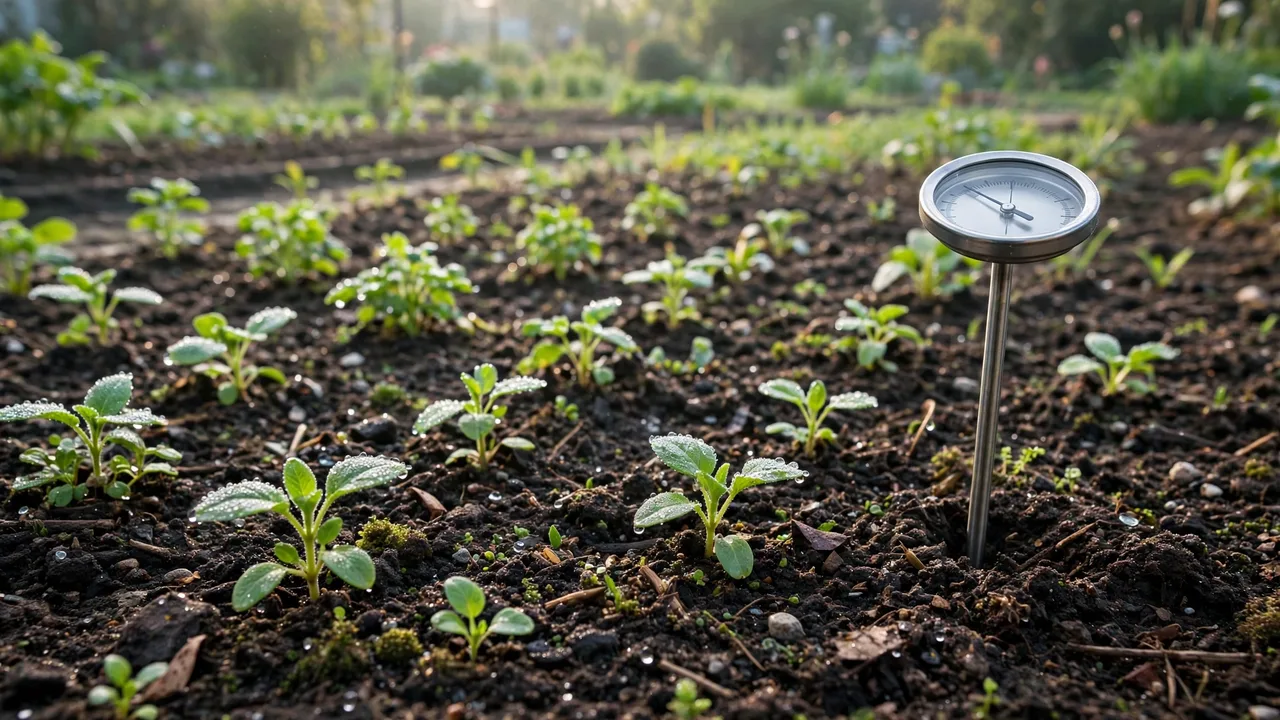
Tools and methods for Temp Converter measurement include: liquid-in-glass thermometers (simple, reliable, but slow response — used for weather and general use), digital thermistors (fast, accurate, affordable — used for soil, air, water), thermocouples (very fast response, wide temperature range — used for research and industrial applications), infrared (IR) thermometers (non-contact, measure surface temperature — useful for canopy temperature, animal body surface, equipment), data loggers (record temperature at set intervals over time — essential for greenhouses, storage, livestock facilities), and weather stations (combine temperature with humidity, wind, rainfall for comprehensive monitoring). Calibrate thermometers annually against a known reference (ice water = 0°C, boiling water = 100°C at sea level). Proper placement (shaded, well-ventilated, at crop/animal level) ensures accurate readings.