Temperature & Humidity Calculator
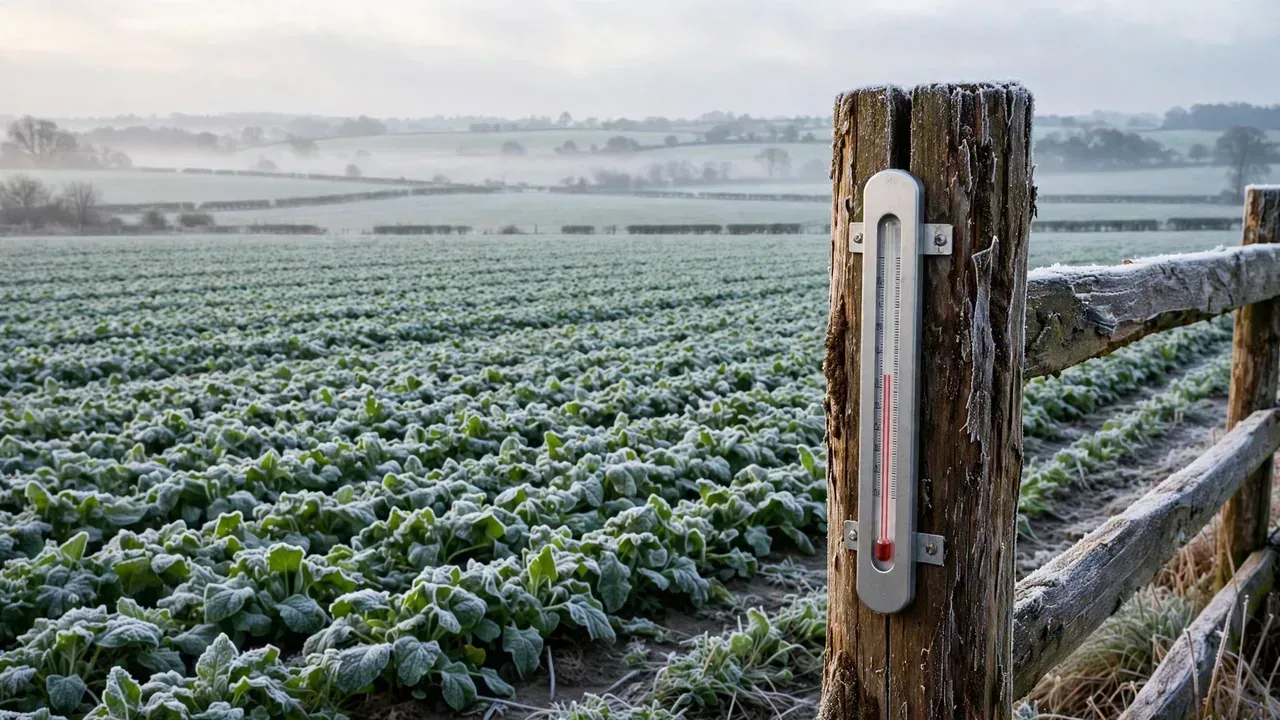
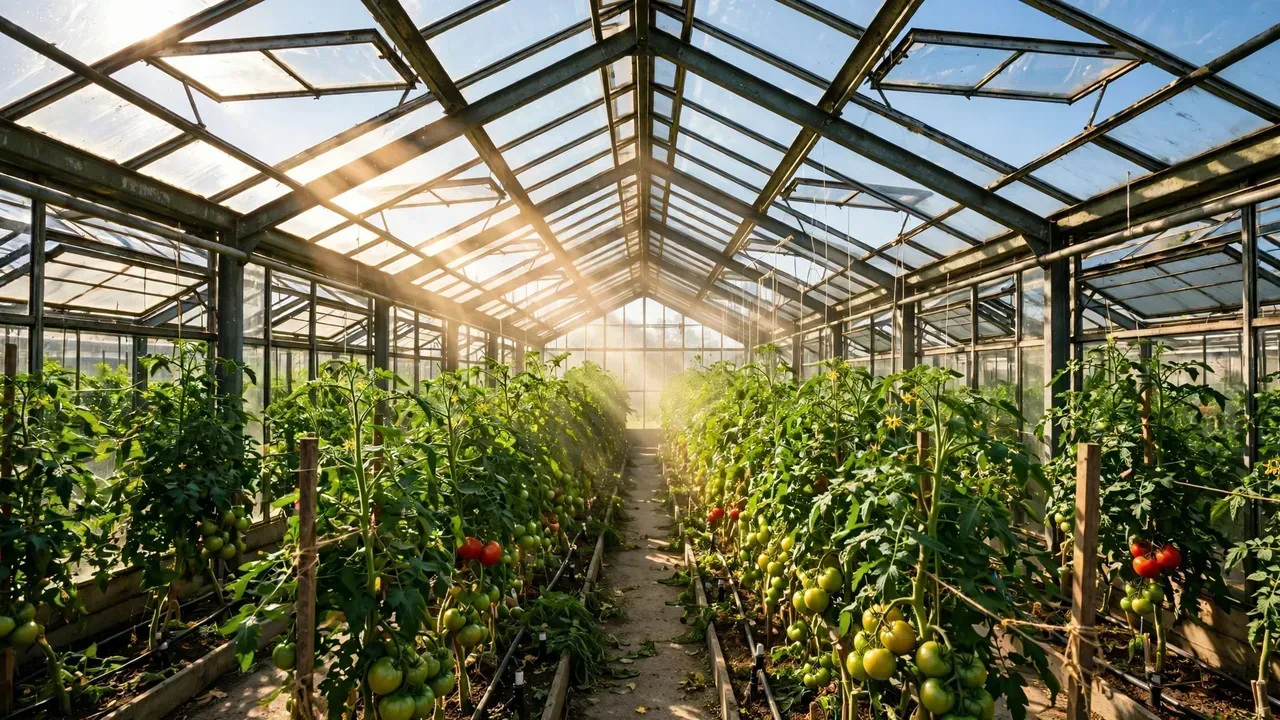
Convert between Celsius, Fahrenheit, Kelvin, and calculate dew point for greenhouse management.
Results
How to Use This Calculator
Enter the required input values in the form fields above. Each field includes default values that you can adjust to match your specific situation. Click the Calculate button to see instant results. Use the Metric/Imperial toggle to switch between unit systems. Results are displayed in the results panel and can be used for farm planning and decision-making.
About This Tool
The Temp Converter is designed to help farmers, agronomists, and agricultural students make quick, accurate calculations for farm management. This tool uses standard agricultural formulas based on extension service recommendations and scientific literature. Whether you are planning inputs, estimating yields, or managing finances, this calculator provides reliable estimates to support your decisions.
Applicability: Useful for general farm management across diverse agricultural regions worldwide.
How the Calculation Works
This calculator uses established agricultural formulas to compute results from your input values. The calculation methodology follows standard practices recommended by agricultural extension services and research institutions. All formulas are transparent and can be verified against published agricultural literature. The calculator accounts for standard efficiency factors and loss rates where applicable. For precise site-specific recommendations, consult your local agricultural extension service or a qualified agronomist.
Real-World Example
A farmer uses this calculator to plan temp converter for their operation. By entering their specific field data, they receive instant calculations that help them make informed management decisions. The results allow them to compare different scenarios, optimize inputs, and estimate outcomes before committing resources. This saves time, reduces waste, and improves overall farm efficiency and profitability.
Common Mistakes & Tips
Common mistakes include using incorrect units (always verify metric vs imperial), entering estimated rather than measured data, ignoring local conditions and extension recommendations, and over-interpreting results (calculators provide estimates, not exact predictions). For best results: use accurate measured inputs, understand the formula assumptions, verify results against experience, consult local experts for critical decisions, and use scenario analysis to compare options before acting.
Reviewed by Agricalc Editorial Team — Agricultural engineers and agronomists with 10+ years of field experience. Our team verifies every calculator formula against peer-reviewed extension publications. For site-specific advice, consult your local agronomist.
References
- FAO — Sustainable Agriculture and Rural Development
- USDA — Agricultural Production and Management Guidelines
- University of Minnesota Extension — Agricultural Production Guides
Frequently Asked Questions
Why is accurate Temp Converter important in agriculture?
Accurate Temp Converter is critical in agriculture because: crop growth and development depend on specific temperature ranges (each crop has base, optimal, and maximum temperatures — growing degree days calculate heat accumulation), pesticide efficacy is temperature-dependent (some pesticides work better at certain temperatures, and volatility increases with heat), livestock performance declines outside thermoneutral zones (heat stress reduces milk production by 10-25% in dairy cows, cold stress increases feed requirements), storage conditions require precise temperature control (grain storage, cold chains for perishables), and greenhouse climate control relies on accurate temperature monitoring. Even small temperature errors can lead to incorrect decisions affecting yield, quality, and profitability.
How do I convert between temperature scales for Temp Converter?
Temperature conversions for Temp Converter: Celsius to Fahrenheit: °F = (°C × 9/5) + 32. Fahrenheit to Celsius: °C = (°F − 32) × 5/9. Celsius to Kelvin: K = °C + 273.15. Kelvin to Celsius: °C = K − 273.15. Fahrenheit to Kelvin: K = (°F + 459.67) × 5/9. Common agricultural reference points: water freezes at 0°C = 32°F = 273.15K; water boils at 100°C = 212°F = 373.15K; normal body temperature 37°C = 98.6°F; typical greenhouse day temperature 20-25°C = 68-77°F; grain storage temperature <15°C = 59°F for long-term storage. Always verify which scale your instruments use — mixing up °C and °F can cause serious errors (e.g., 32°C vs 32°F is a 57°C difference!).
What temperature ranges are optimal for common crops?
Optimal temperature ranges for common crops: cool-season crops (lettuce, spinach, peas, broccoli, wheat) grow best at 15-20°C (59-68°F), can tolerate light frost, and bolt (go to seed) above 25°C; warm-season crops (corn, tomatoes, peppers, cucumbers, soybeans, cotton) grow best at 20-30°C (68-86°F), are damaged by frost, and may suffer heat stress above 35°C; tropical crops (bananas, cocoa, coffee, rice) require 20-35°C (68-95°F) and are damaged below 10-15°C. Soil temperature for germination: cool-season crops 5-10°C minimum, warm-season crops 15-20°C minimum. Using growing degree days (GDD) helps predict crop development stages based on accumulated heat units.
How does temperature affect livestock in Temp Converter contexts?
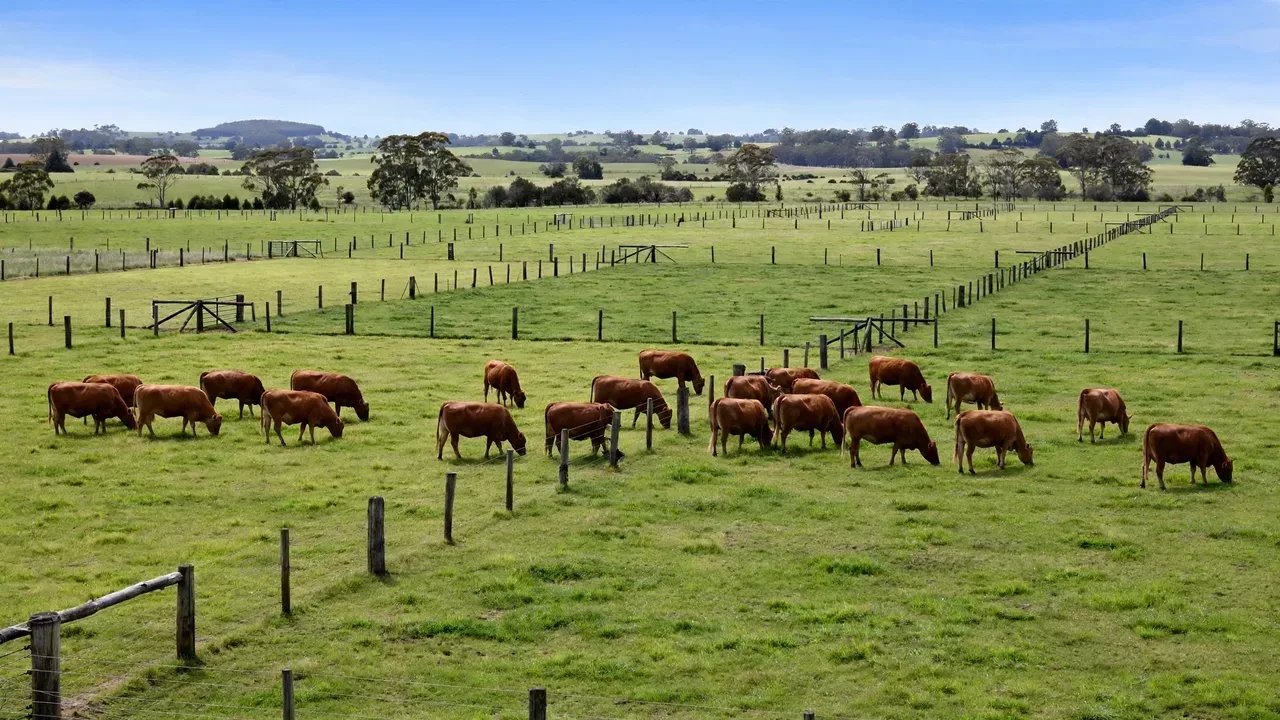
Temperature significantly affects livestock in Temp Converter contexts through: thermoneutral zone (the temperature range where animals don't need extra energy for heating or cooling — cattle 5-25°C, pigs 15-25°C, poultry 18-24°C, sheep 5-25°C), heat stress (above upper critical temperature: reduced feed intake 10-30%, reduced milk production in dairy, reduced reproduction, increased mortality risk — mitigation: shade, fans, sprinklers, water, feeding during cool hours), cold stress (below lower critical temperature: increased energy requirements 10-50%, reduced growth, increased disease susceptibility — mitigation: shelter, bedding, increased feed, windbreaks). Temperature-humidity index (THI) combines temperature and humidity to assess heat stress risk — THI >72 indicates mild stress, >78 severe stress for cattle.
What tools and methods are used for Temp Converter measurement?
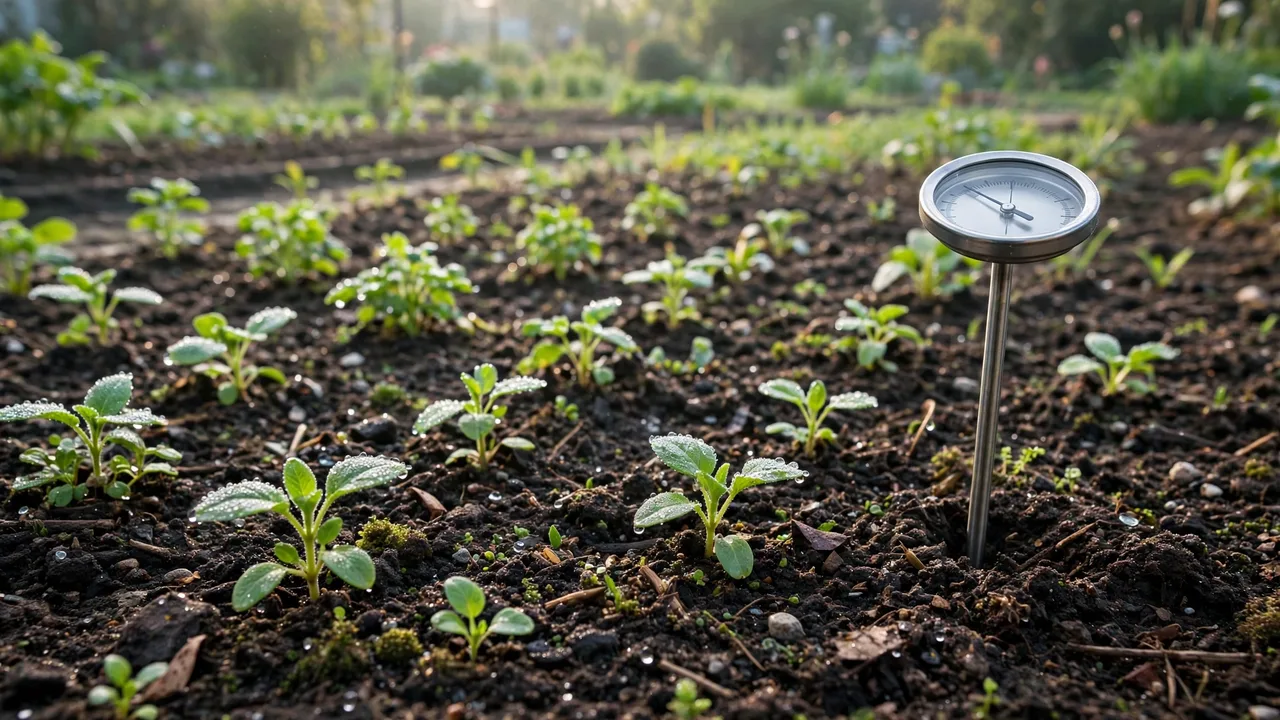
Tools and methods for Temp Converter measurement include: liquid-in-glass thermometers (simple, reliable, but slow response — used for weather and general use), digital thermistors (fast, accurate, affordable — used for soil, air, water), thermocouples (very fast response, wide temperature range — used for research and industrial applications), infrared (IR) thermometers (non-contact, measure surface temperature — useful for canopy temperature, animal body surface, equipment), data loggers (record temperature at set intervals over time — essential for greenhouses, storage, livestock facilities), and weather stations (combine temperature with humidity, wind, rainfall for comprehensive monitoring). Calibrate thermometers annually against a known reference (ice water = 0°C, boiling water = 100°C at sea level). Proper placement (shaded, well-ventilated, at crop/animal level) ensures accurate readings.