Aucun calcul pour l'instant
Aucun favori pour l'instant
Températuret Humidité
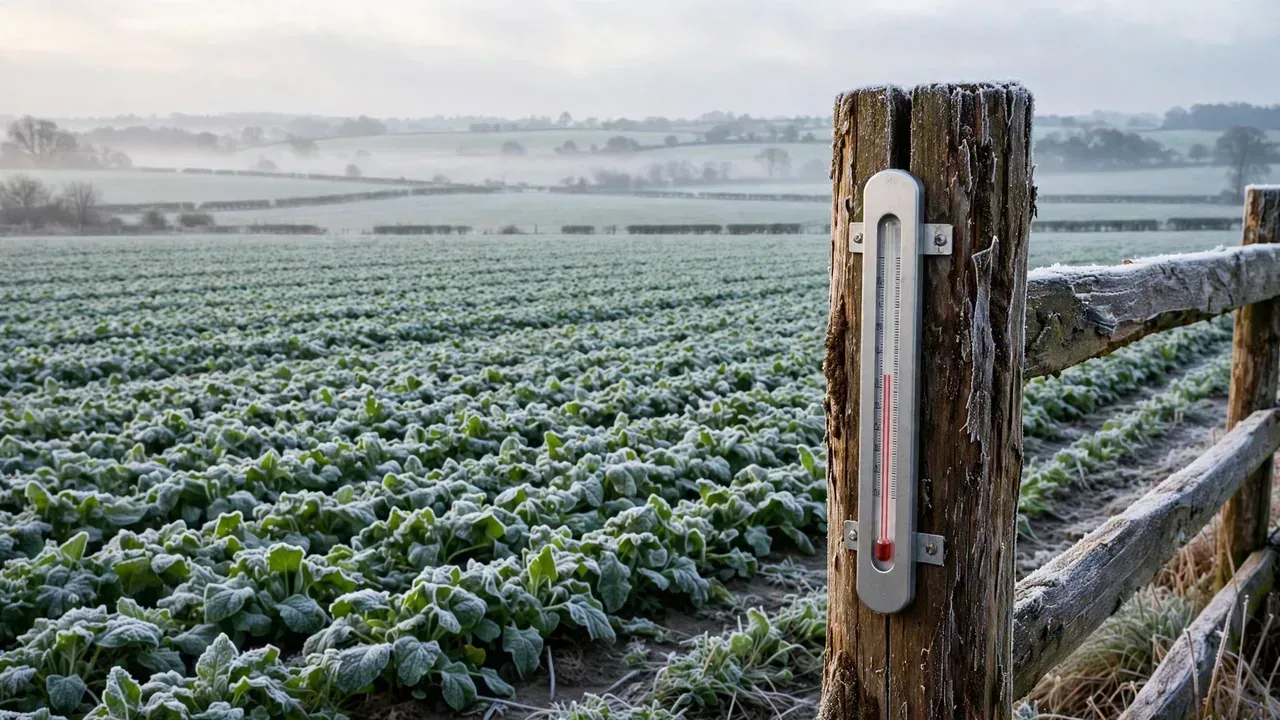
Convertissez entre Celsius, Fahrenheit, Kelvin et calculez le point de rosée pour la gestion des serres.
Résultats
Comment Utiliser Cette Calculatrice
Entrez les valeurs d'entrée requises dans les champs du formulaire. Chaque champ inclut des valeurs par défaut que vous pouvez ajuster à votre situation spécifique. Cliquez sur le bouton Calculer pour voir des résultats instantanés. Utilisez le bouton Métrique/Impérial pour basculer entre les systèmes d'unités. Les résultats sont affichés dans le panneau de résultats et peuvent être utilisés pour la planification et la prise de décision agricole.
À Propos de Cet Outil
La Temp Converter est conçue pour aider les agriculteurs, les agronomes et les étudiants en agriculture à effectuer des calculs rapides et précis pour la gestion de l'exploitation. Cet outil utilise des formules agricoles standard basées sur les recommandations des services de vulgarisation et la littérature scientifique. Que vous planifiiez les intrants, estimiez les rendements ou gériez les finances, cette calculatrice fournit des estimations fiables.
Applicabilité: Utile pour la gestion des exploitations en Afrique francophone.
Comment Fonctionne le Calcul
Cette calculatrice utilise des formules agricoles établies pour calculer les résultats à partir de vos valeurs d'entrée. La méthodologie de calcul suit les pratiques standard recommandées par les services de vulgarisation agricole et les institutions de recherche. Toutes les formules sont transparentes et peuvent être vérifiées dans la littérature agricole publiée. La calculatrice tient compte des facteurs d'efficacité standard et des taux de perte le cas échéant. Pour des recommandations précises, consultez votre service de vulgarisation local ou un agronome qualifié.
Exemple Pratique
Un agriculteur utilise cette calculatrice pour planifier temp converter dans son exploitation. En entrant ses données de champ spécifiques, il reçoit des calculs instantanés qui l'aident à prendre des décisions de gestion éclairées. Les résultats lui permettent de comparer différents scénarios, d'optimiser les intrants et d'estimer les résultats avant d'engager des ressources. Cela fait gagner du temps, réduit le gaspillage et améliore l'efficacité et la rentabilité globales de l'exploitation.
Conseils et Erreurs Courantes
Les erreurs courantes incluent l'utilisation d'unités incorrectes (vérifiez toujours métrique vs impérial), la saisie de données estimées plutôt que mesurées, l'ignorance des conditions locales et des recommandations de vulgarisation, et la surinterprétation des résultats (les calculatrices fournissent des estimations, pas des prédictions exactes). Pour de meilleurs résultats : utilisez des entrées mesurées et précises, comprenez les hypothèses de la formule, vérifiez les résultats par rapport à votre expérience, consultez des experts locaux pour les décisions critiques, et utilisez l'analyse de scénarios.
Révisé par l'Équipe Éditoriale d'Agricalc — Ingénieurs agricoles et agronomes avec plus de 10 ans d'expérience sur le terrain. Notre équipe vérifie chaque formule contre des publications de vulgarisation révisées par des pairs. Pour des conseils spécifiques, consultez votre agronome local.
Références
- FAO — Sustainable Agriculture and Rural Development
- USDA — Agricultural Production and Management Guidelines
- University of Minnesota Extension — Agricultural Production Guides
Questions Fréquemment Posées
Why is accurate Temp Converter important in agriculture?
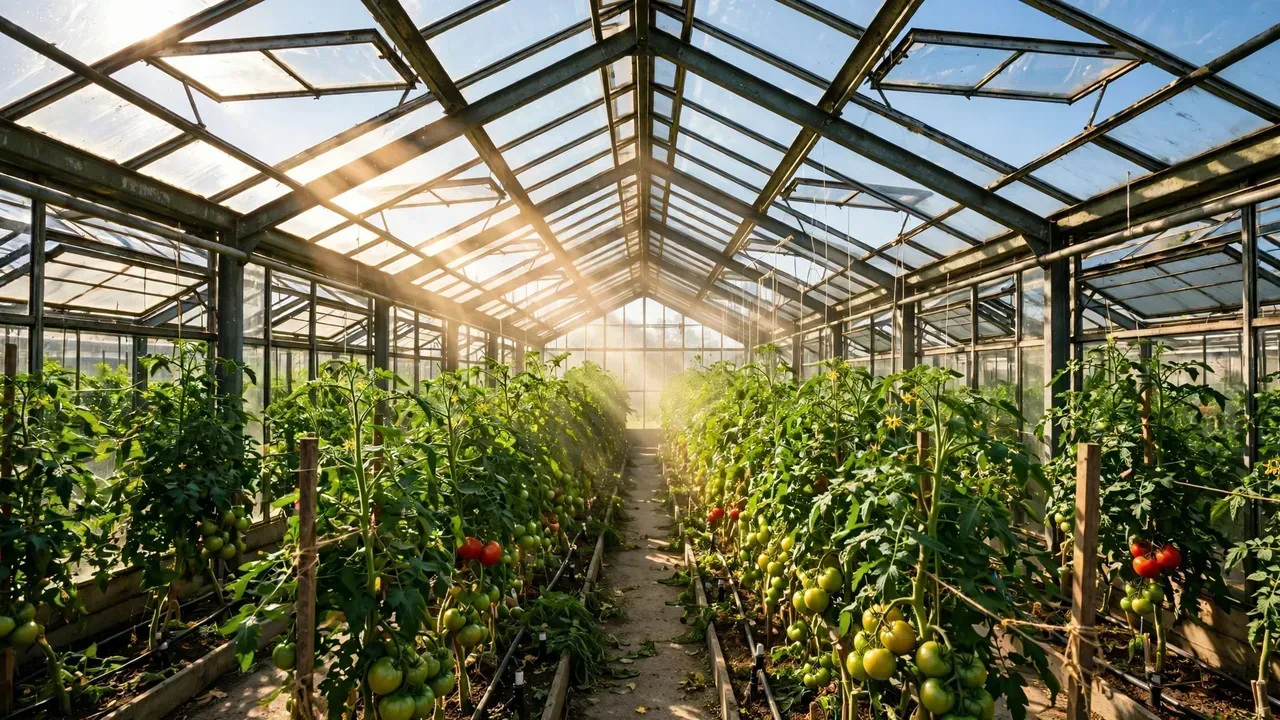
Accurate Temp Converter is critical in agriculture because: crop growth and development depend on specific temperature ranges (each crop has base, optimal, and maximum temperatures — growing degree days calculate heat accumulation), pesticide efficacy is temperature-dependent (some pesticides work better at certain temperatures, and volatility increases with heat), livestock performance declines outside thermoneutral zones (heat stress reduces milk production by 10-25% in dairy cows, cold stress increases feed requirements), storage conditions require precise temperature control (grain storage, cold chains for perishables), and greenhouse climate control relies on accurate temperature monitoring. Even small temperature errors can lead to incorrect decisions affecting yield, quality, and profitability.
How do I convert between temperature scales for Temp Converter?
Temperature conversions for Temp Converter: Celsius to Fahrenheit: °F = (°C × 9/5) + 32. Fahrenheit to Celsius: °C = (°F − 32) × 5/9. Celsius to Kelvin: K = °C + 273.15. Kelvin to Celsius: °C = K − 273.15. Fahrenheit to Kelvin: K = (°F + 459.67) × 5/9. Common agricultural reference points: water freezes at 0°C = 32°F = 273.15K; water boils at 100°C = 212°F = 373.15K; normal body temperature 37°C = 98.6°F; typical greenhouse day temperature 20-25°C = 68-77°F; grain storage temperature <15°C = 59°F for long-term storage. Always verify which scale your instruments use — mixing up °C and °F can cause serious errors (e.g., 32°C vs 32°F is a 57°C difference!).
What temperature ranges are optimal for common crops?
Optimal temperature ranges for common crops: cool-season crops (lettuce, spinach, peas, broccoli, wheat) grow best at 15-20°C (59-68°F), can tolerate light frost, and bolt (go to seed) above 25°C; warm-season crops (corn, tomatoes, peppers, cucumbers, soybeans, cotton) grow best at 20-30°C (68-86°F), are damaged by frost, and may suffer heat stress above 35°C; tropical crops (bananas, cocoa, coffee, rice) require 20-35°C (68-95°F) and are damaged below 10-15°C. Soil temperature for germination: cool-season crops 5-10°C minimum, warm-season crops 15-20°C minimum. Using growing degree days (GDD) helps predict crop development stages based on accumulated heat units.
How does temperature affect livestock in Temp Converter contexts?
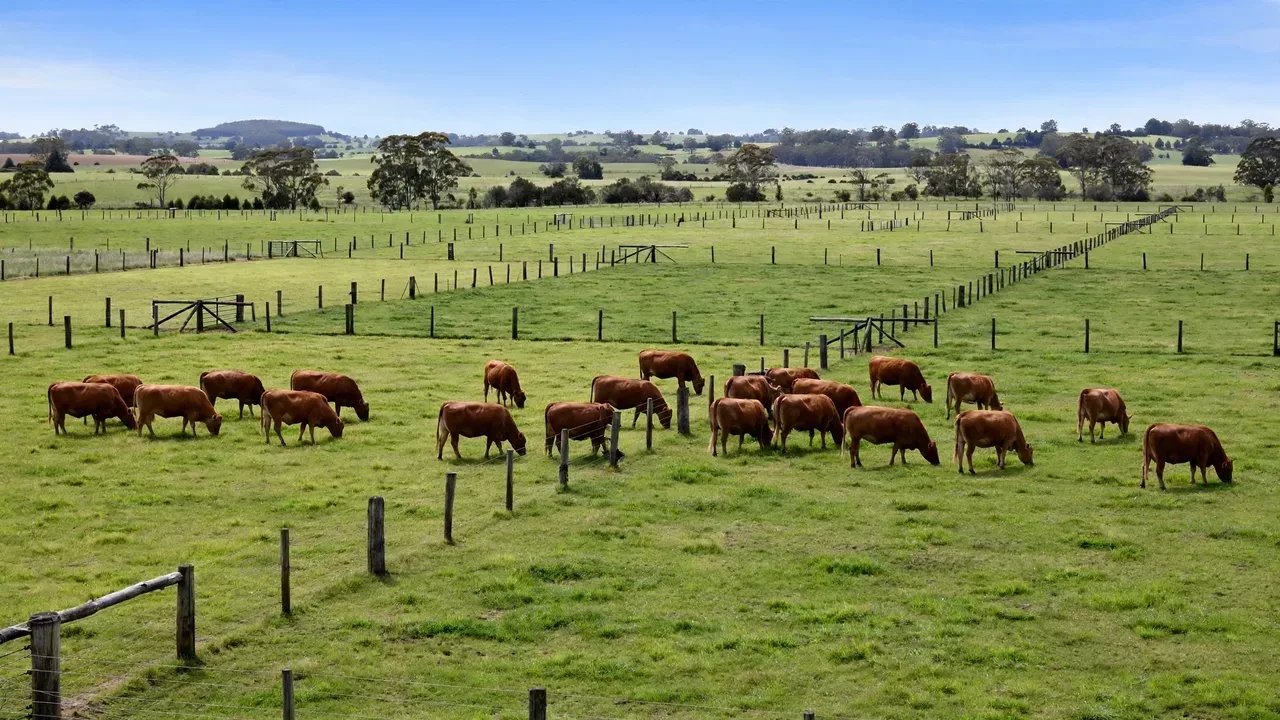
Temperature significantly affects livestock in Temp Converter contexts through: thermoneutral zone (the temperature range where animals don't need extra energy for heating or cooling — cattle 5-25°C, pigs 15-25°C, poultry 18-24°C, sheep 5-25°C), heat stress (above upper critical temperature: reduced feed intake 10-30%, reduced milk production in dairy, reduced reproduction, increased mortality risk — mitigation: shade, fans, sprinklers, water, feeding during cool hours), cold stress (below lower critical temperature: increased energy requirements 10-50%, reduced growth, increased disease susceptibility — mitigation: shelter, bedding, increased feed, windbreaks). Temperature-humidity index (THI) combines temperature and humidity to assess heat stress risk — THI >72 indicates mild stress, >78 severe stress for cattle.
What tools and methods are used for Temp Converter measurement?
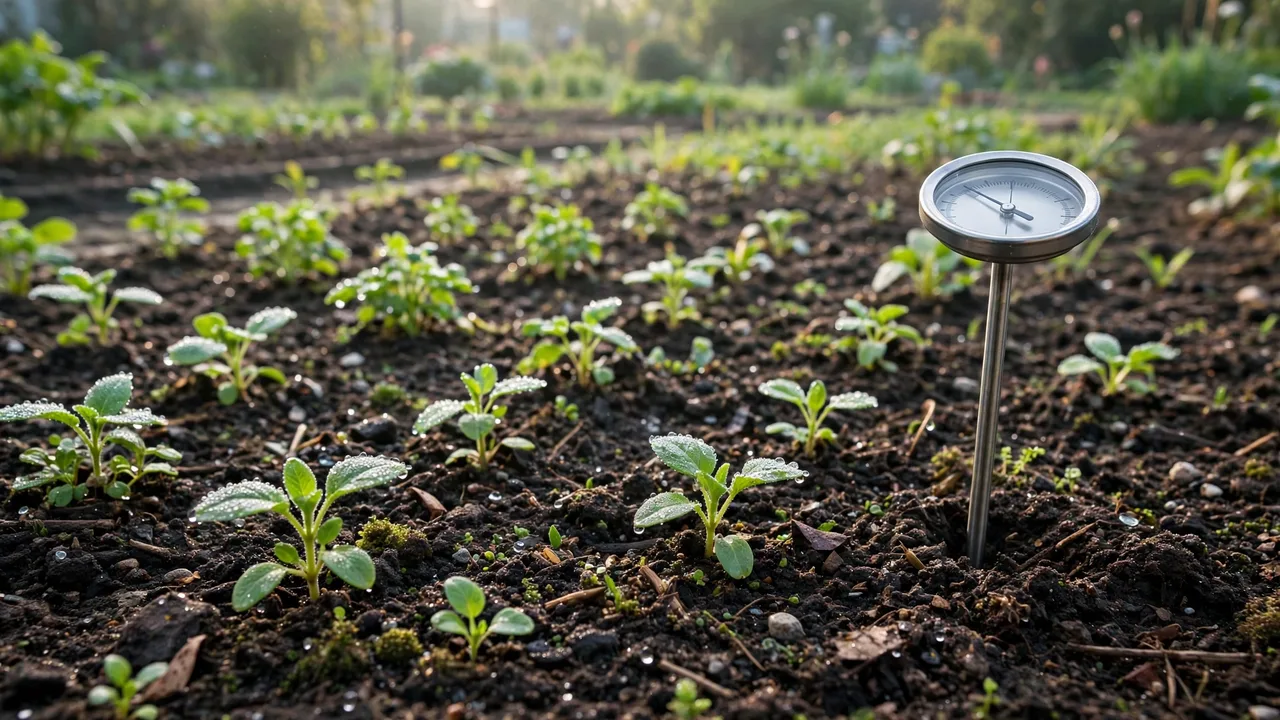
Tools and methods for Temp Converter measurement include: liquid-in-glass thermometers (simple, reliable, but slow response — used for weather and general use), digital thermistors (fast, accurate, affordable — used for soil, air, water), thermocouples (very fast response, wide temperature range — used for research and industrial applications), infrared (IR) thermometers (non-contact, measure surface temperature — useful for canopy temperature, animal body surface, equipment), data loggers (record temperature at set intervals over time — essential for greenhouses, storage, livestock facilities), and weather stations (combine temperature with humidity, wind, rainfall for comprehensive monitoring). Calibrate thermometers annually against a known reference (ice water = 0°C, boiling water = 100°C at sea level). Proper placement (shaded, well-ventilated, at crop/animal level) ensures accurate readings.