Field Capacity Calculator
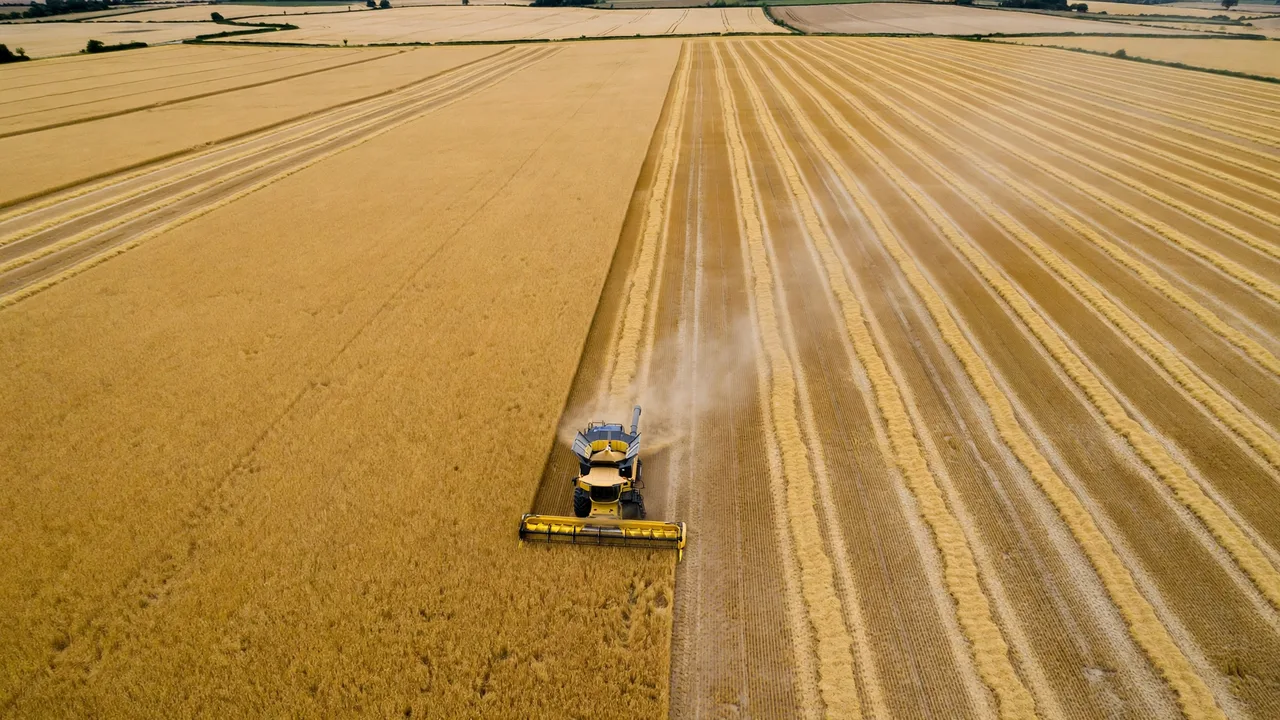
Calculate acres per hour your machinery covers based on implement width, travel speed, and field efficiency. Estimate daily coverage and time requirements.
Results
How to Use This Calculator
Enter the required input values in the form fields above. Each field includes default values you can adjust. Click Calculate to see instant results. Use the Metric/Imperial toggle to switch unit systems. Results are displayed in the results panel for farm planning.
About This Tool
The Field Capacity helps farmers, agronomists, and agricultural students make quick, accurate calculations for farm management. This tool uses standard agricultural formulas based on extension service recommendations and scientific literature.
Applicability: Designed for temperate and subtropical soils, applicable to farming systems across North America and Europe.
How the Calculation Works
This calculator uses established agricultural formulas to compute results from your input values. The methodology follows standard practices recommended by agricultural extension services and research institutions. All formulas are transparent and verifiable against published literature. The calculator accounts for standard efficiency factors and loss rates where applicable.
Real-World Example
A farmer uses this calculator to plan field capacity for their operation. By entering specific field data, they receive instant calculations that support informed management decisions. The results allow comparing scenarios, optimizing inputs, and estimating outcomes before committing resources.
Common Mistakes & Tips
Common mistakes include using incorrect units (always verify metric vs imperial), entering estimated rather than measured data, ignoring local conditions and extension recommendations, and over-interpreting results. For best results: use accurate measured inputs, understand formula assumptions, verify results against experience, consult local experts for critical decisions, and use scenario analysis.
Reviewed by Agricalc Editorial Team — Agricultural engineers and agronomists with 10+ years of field experience. Our team verifies every calculator formula against peer-reviewed extension publications. For site-specific advice, consult your local agronomist.
References
Frequently Asked Questions
How do I interpret soil test results for Field Capacity?
Interpreting soil test results involves comparing measured values against optimal ranges: pH (6.0-7.0 for most crops), organic matter (2-5% ideal), macronutrients rated Low/Medium/High/Very High, and micronutrients. Extension services provide crop-specific recommendations. Key parameters: CEC indicates nutrient retention capacity, base saturation shows calcium/magnesium/potassium balance. Always use a reputable lab following their sampling protocol (0-15 cm depth, 15-20 cores per field). Test every 2-3 years for field crops, annually for high-value crops.
What is the optimal soil pH for Field Capacity?
Optimal pH depends on crop: most vegetables and field crops prefer 6.0-7.0, potatoes prefer 5.0-5.5 (suppresses scab), blueberries 4.5-5.5, alfalfa 6.5-7.5. At pH <5.5, aluminum/manganese become toxic while P, Ca, Mg become unavailable. At pH >7.5, Fe, Mn, Zn, B become less available. Raise pH with agricultural lime (rate depends on buffer pH and soil texture — sandy soils need less, clay soils more). Lower pH with elemental sulfur or aluminum sulfate. Test every 2-3 years to monitor trends.
How does soil texture affect Field Capacity?
Soil texture (sand:silt:clay ratio) affects: water-holding capacity (sand 50-100 mm/m, loam 150-200, clay 150-250), nutrient retention (clay has high CEC, sand low — nutrients leach easily in sand), drainage (sand fast, clay slow), and amendment rates (sandy soils need less lime but more frequent fertilizer). Loam is ideal for most crops. Determine texture by feel or lab test. Adjust management: sandy soils use split fertilizer applications and frequent irrigation; clay soils need improved drainage and careful tillage timing.
What organic matter level is ideal for Field Capacity?
Ideal soil organic matter (SOM) is 2-5% for most mineral agricultural soils. Soils below 1% are degraded. Each 1% SOM increases water holding by ~15,000 L/ha, contains 5-6% N (releases 1-4% annually), and improves structure, CEC, and biological activity. Increase SOM through: cover cropping, reduced tillage, manure/compost application, crop rotation with perennials, returning residues. Building 1% SOM typically takes 3-5 years of consistent management. High-value vegetable systems may target 4-6% SOM.
How often should I soil test for Field Capacity?
Soil testing frequency: annual field crops every 2-3 years; high-value vegetable/fruit crops every 1-2 years; greenhouse/nursery every 6-12 months; after major amendments (lime, manure) retest after 6-12 months. Always sample at the same time of year for consistency. Sample depth: 0-15 cm routine, 0-60 cm for nitrate profiling, 0-30 cm for orchards. Collect 15-20 cores per management zone, mix, submit 500 g. Proper sampling ensures accurate recommendations — a bad sample leads to bad fertilizer decisions.