Fertilizer Calculator

Calculate N-P-K fertilizer requirements based on target yield, crop nutrient needs, and fertilizer efficiency.
Results
How to Use This Calculator
Enter the required input values in the form fields above. Each field includes default values you can adjust. Click Calculate to see instant results. Use the Metric/Imperial toggle to switch unit systems. Results are displayed in the results panel for farm planning.
About This Tool
The Fertilizer helps farmers, agronomists, and agricultural students make quick, accurate calculations for farm management. This tool uses standard agricultural formulas based on extension service recommendations and scientific literature.
Applicability: Applicable globally, with particular relevance for North American and European cropping systems. Adapt rates to your soil test results.
How the Calculation Works
This calculator uses established agricultural formulas to compute results from your input values. The methodology follows standard practices recommended by agricultural extension services and research institutions. All formulas are transparent and verifiable against published literature. The calculator accounts for standard efficiency factors and loss rates where applicable.
Real-World Example
A farmer uses this calculator to plan fertilizer for their operation. By entering specific field data, they receive instant calculations that support informed management decisions. The results allow comparing scenarios, optimizing inputs, and estimating outcomes before committing resources.
Common Mistakes & Tips
Common mistakes include using incorrect units (always verify metric vs imperial), entering estimated rather than measured data, ignoring local conditions and extension recommendations, and over-interpreting results. For best results: use accurate measured inputs, understand formula assumptions, verify results against experience, consult local experts for critical decisions, and use scenario analysis.
Reviewed by Agricalc Editorial Team — Agricultural engineers and agronomists with 10+ years of field experience. Our team verifies every calculator formula against peer-reviewed extension publications. For site-specific advice, consult your local agronomist.
References
- USDA NRCS — Nutrient Management Planning
- FAO — Plant Nutrition for Food Security
- University of Minnesota Extension — Fertilizer Management
Frequently Asked Questions
How do I calculate the correct Fertilizer rate?
To calculate the correct Fertilizer rate: (1) Get a soil test to know existing nutrient levels, (2) Determine crop nutrient requirements based on target yield, (3) Calculate nutrient removal = yield × nutrient uptake per unit yield, (4) Adjust for fertilizer use efficiency (N: 50-70%, P: 20-40%, K: 60-80%), (5) Select fertilizer grade and calculate amount = nutrient need ÷ nutrient fraction. Always follow local extension recommendations and split nitrogen applications for efficiency.
What is the difference between N, P2O5 and K2O on fertilizer labels?
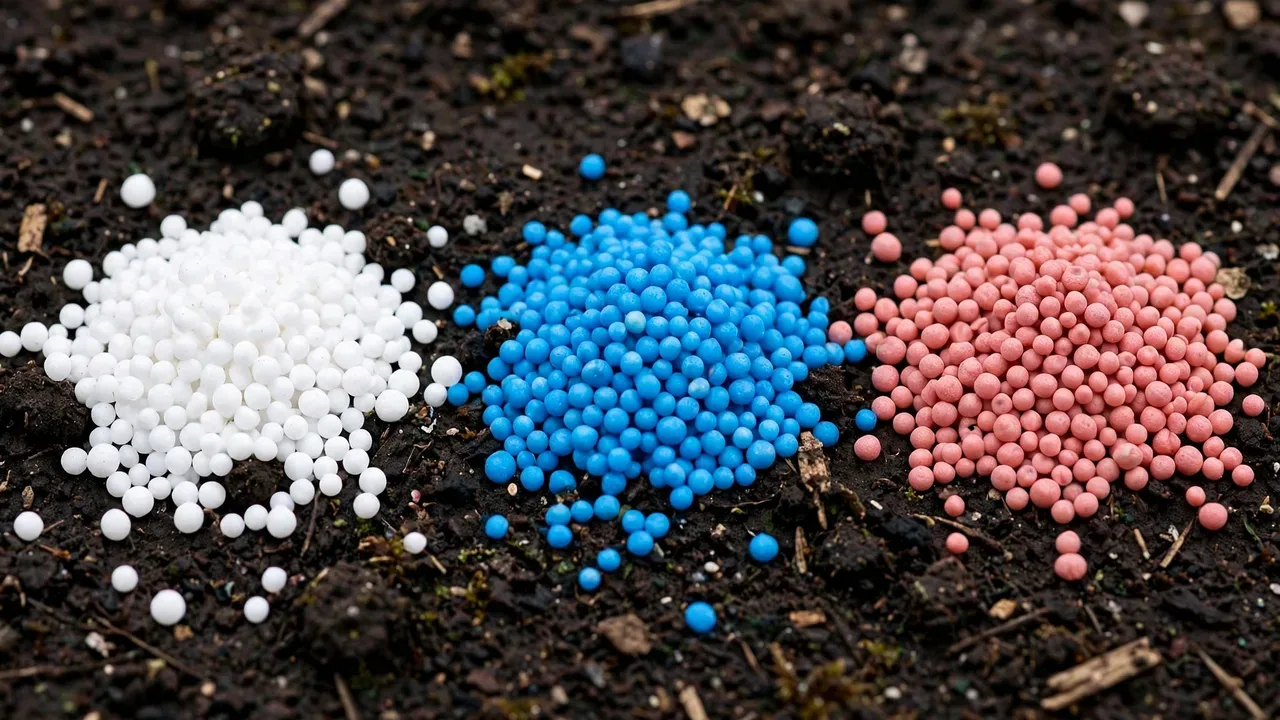
Fertilizer labels express nutrients as oxides by convention: N is elemental nitrogen, P2O5 is phosphorus pentoxide (elemental P = P2O5 × 0.436), K2O is potassium oxide (elemental K = K2O × 0.83). A 15-15-15 fertilizer contains 15% N, 15% P2O5, and 15% K2O by weight. To convert to elemental: 100 kg of 15-15-15 = 15 kg N, 6.5 kg P, 12.5 kg K. Understanding this distinction prevents over- or under-application when comparing fertilizer sources.
How much fertilizer do I need for 1 acre of corn?
For 1 acre of corn yielding 150 bushels, typical nutrient needs are: 150-180 lb N, 60-80 lb P2O5, 80-120 lb K2O. With 40% N efficiency, apply 375-450 lb actual N (e.g., 815-980 lb urea at 46% N). A 15-15-15 starter at 300 lb/acre supplies 45 lb each, then top-dress remaining N as urea at V6 stage. Always soil test and adjust — corn in high-P soils may need no phosphorus fertilizer.
When is the best time to apply fertilizer for maximum efficiency?
The best timing matches nutrient availability to crop demand: apply phosphorus and potassium before planting (they are immobile in soil), split nitrogen applications — 30-50% at planting as starter, remainder at rapid growth stage (V6 for corn, tillering for wheat). For vegetables, apply N in 2-3 splits during active growth. Avoid applying N before heavy rain to prevent leaching. Fall application of N is only recommended for overwintering crops in cool climates.
Can I use organic fertilizer instead of synthetic fertilizer?
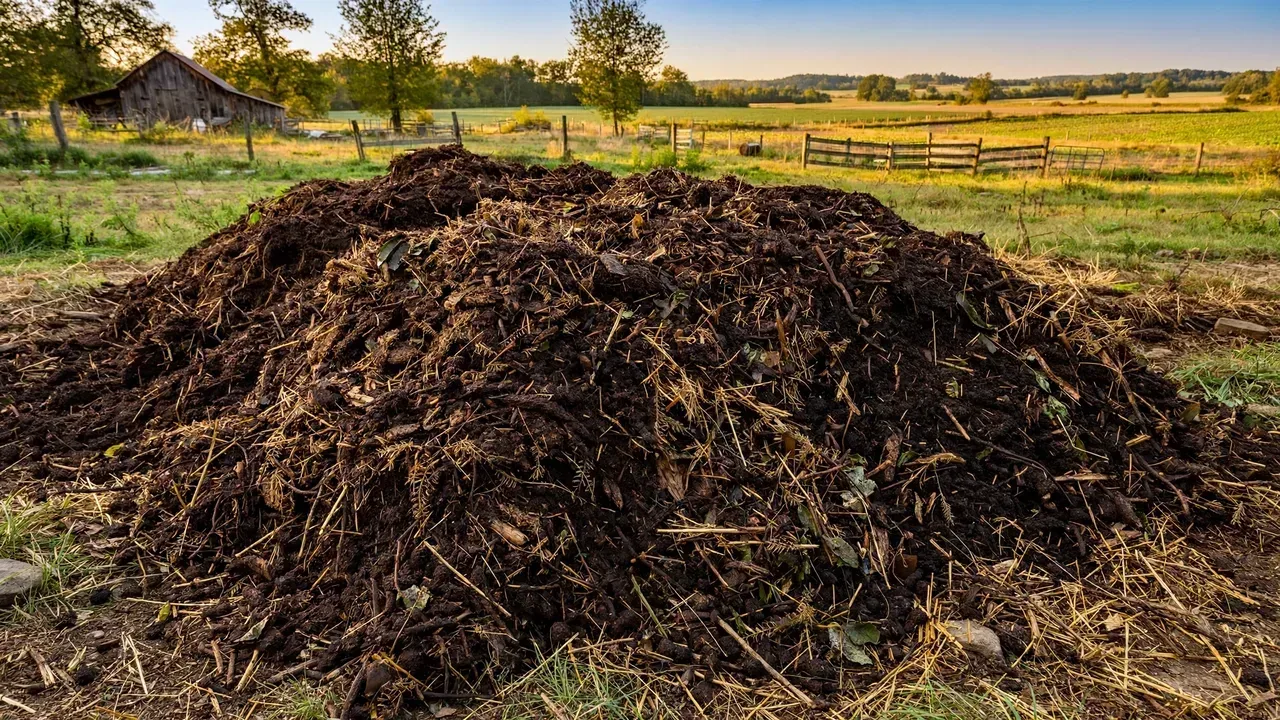
Yes, organic fertilizers (compost, manure, bone meal, blood meal) can supply nutrients but release them more slowly. Compost typically has 1-3% N, 0.5-2% P2O5, 1-2% K2O with 10-30% first-year N availability. To supply 150 lb N/acre, you need 5,000-15,000 lb compost depending on quality. Organic fertilizers improve soil structure and microbial activity but require larger volumes and advance planning. Combine soil testing with nutrient budgeting to avoid over-application of phosphorus from manure.