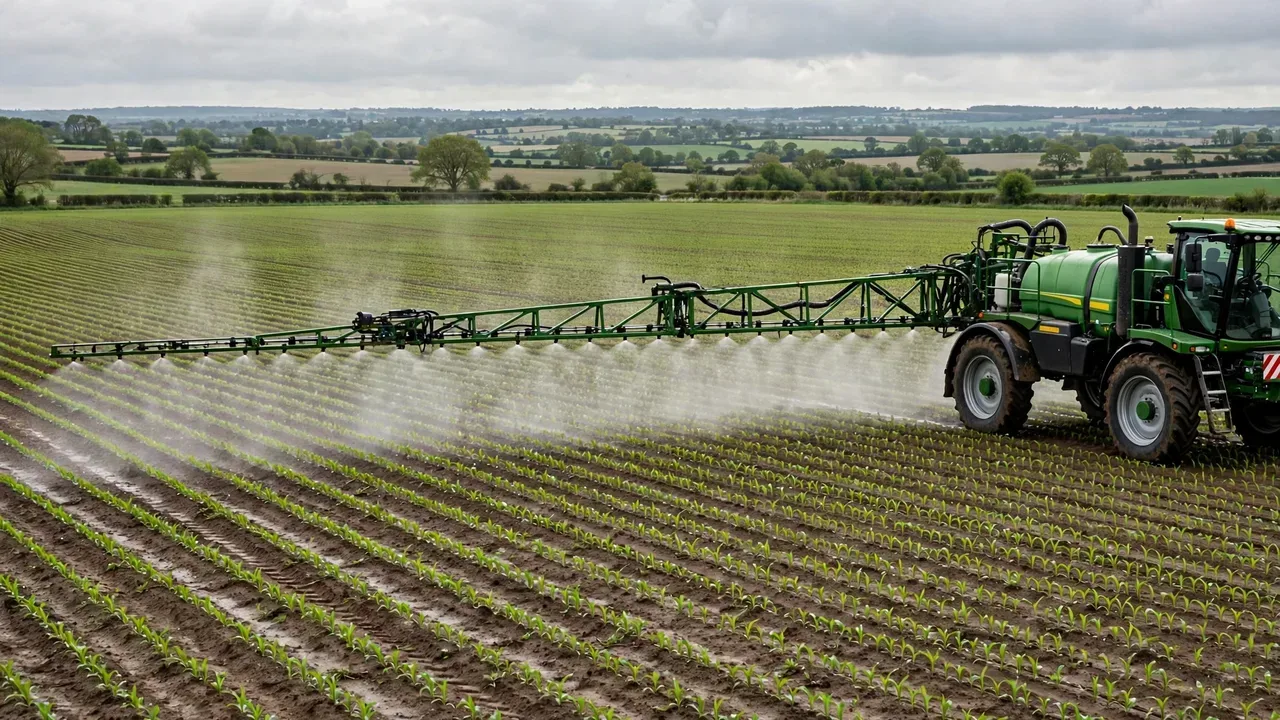
Pesticide Dilution Calculator
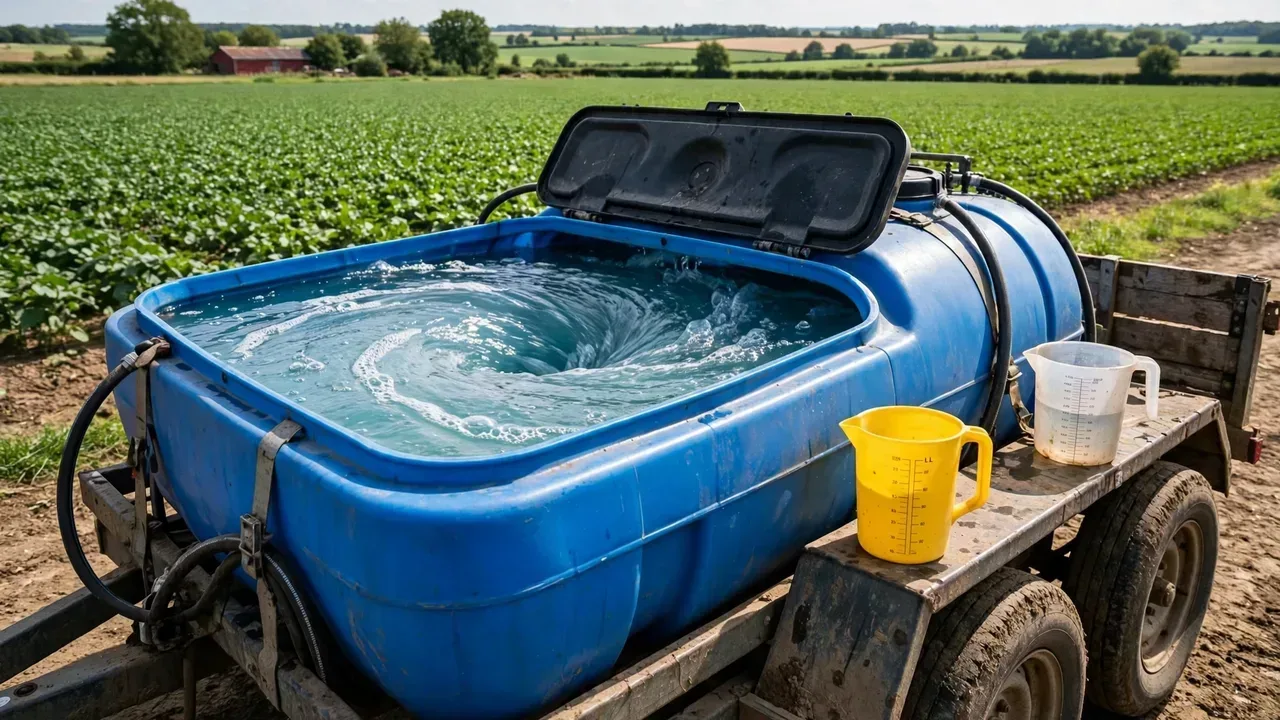
Calculate pesticide dilution using multiple method or ppm concentration for accurate mixing.
Results
How to Use This Calculator
Enter the required input values in the form fields above. Each field includes default values that you can adjust to match your specific situation. Click the Calculate button to see instant results. Use the Metric/Imperial toggle to switch between unit systems. Results are displayed in the results panel and can be used for farm planning and decision-making.
About This Tool
The Pesticide Dilution is designed to help farmers, agronomists, and agricultural students make quick, accurate calculations for farm management. This tool uses standard agricultural formulas based on extension service recommendations and scientific literature. Whether you are planning inputs, estimating yields, or managing finances, this calculator provides reliable estimates to support your decisions.
Applicability: Applicable to pest management programs in North American and European cropping systems.
How the Calculation Works
This calculator uses established agricultural formulas to compute results from your input values. The calculation methodology follows standard practices recommended by agricultural extension services and research institutions. All formulas are transparent and can be verified against published agricultural literature. The calculator accounts for standard efficiency factors and loss rates where applicable. For precise site-specific recommendations, consult your local agricultural extension service or a qualified agronomist.
Real-World Example
A farmer uses this calculator to plan pesticide dilution for their operation. By entering their specific field data, they receive instant calculations that help them make informed management decisions. The results allow them to compare different scenarios, optimize inputs, and estimate outcomes before committing resources. This saves time, reduces waste, and improves overall farm efficiency and profitability.
Common Mistakes & Tips
Common mistakes include using incorrect units (always verify metric vs imperial), entering estimated rather than measured data, ignoring local conditions and extension recommendations, and over-interpreting results (calculators provide estimates, not exact predictions). For best results: use accurate measured inputs, understand the formula assumptions, verify results against experience, consult local experts for critical decisions, and use scenario analysis to compare options before acting.
Reviewed by Agricalc Editorial Team — Agricultural engineers and agronomists with 10+ years of field experience. Our team verifies every calculator formula against peer-reviewed extension publications. For site-specific advice, consult your local agronomist.
References
- FAO — Pesticide Management and Safe Use Guidelines
- USDA — Pesticide Safety and Application Guidelines
- University of Minnesota Extension — Pesticide Application and Calibration Guide
Frequently Asked Questions
How do I calculate the correct Pesticide Dilution rate?
To calculate the correct Pesticide Dilution rate: (1) Read the product label for the recommended rate per unit area (e.g., L/ha or oz/acre), (2) Measure the area to be treated accurately, (3) Determine your sprayer output through calibration (L/ha or gal/acre), (4) Calculate chemical needed = label rate × area, (5) Calculate water volume = sprayer output × area. Always follow label rates — underdosing leads to poor control and resistance, overdosing wastes money and may cause crop injury or illegal residues.
What personal protective equipment is needed for Pesticide Dilution?
Personal protective equipment (PPE) for Pesticide Dilution application includes: chemical-resistant gloves (nitrile or neoprene), protective eyewear (goggles or face shield), respirator (N95 or organic vapor cartridge for dusts/sprays), long-sleeved shirt and long pants, chemical-resistant apron, and closed-toe boots. Some products require a full-face respirator or chemical-resistant suit. Always check the label's PPE requirements. Wash PPE separately from regular laundry and shower after application. Never apply pesticides without proper protection.
How do I prevent pesticide resistance from Pesticide Dilution?
Prevent resistance from Pesticide Dilution by: rotating products with different modes of action (HRAC/WSSA groups), tank-mixing products with different modes of action, applying full labeled rates (never cut rates), integrating non-chemical control methods (crop rotation, cover crops, mechanical weeding, biological control), monitoring for resistant populations, and following resistance management guidelines on the label. Resistance develops when the same mode of action is used repeatedly — a diverse management program is the best defense. Once resistance develops, it is essentially permanent.
What is the pre-harvest interval for Pesticide Dilution?
The pre-harvest interval (PHI) is the minimum number of days that must pass between the last pesticide application and harvest. PHIs are specified on the product label and vary by crop and pest. For example, many insecticides have PHIs of 1-14 days, while some fungicides may have PHIs of 0-30 days. Always check the label for the specific crop you are treating. Harvesting before the PHI expires can result in illegal pesticide residues that may cause food safety violations, shipment rejection, or regulatory penalties.
How should I clean my sprayer after Pesticide Dilution application?
Proper sprayer cleaning after Pesticide Dilution application: (1) Rinse the tank three times with clean water, spraying the rinse through the booms, (2) Use a commercial tank cleaner or ammonia solution (1 L ammonia per 100 L water) for difficult residues, (3) Let the cleaning solution circulate for 10-15 minutes, (4) Spray through booms and nozzles, (5) Remove and clean nozzles and screens individually, (6) Rinse again with clean water, (7) Dispose of rinse water according to label instructions (never dump near water sources). Proper cleaning prevents cross-contamination between pesticides and crops, which can cause severe crop injury.