Soybean Yield Estimator
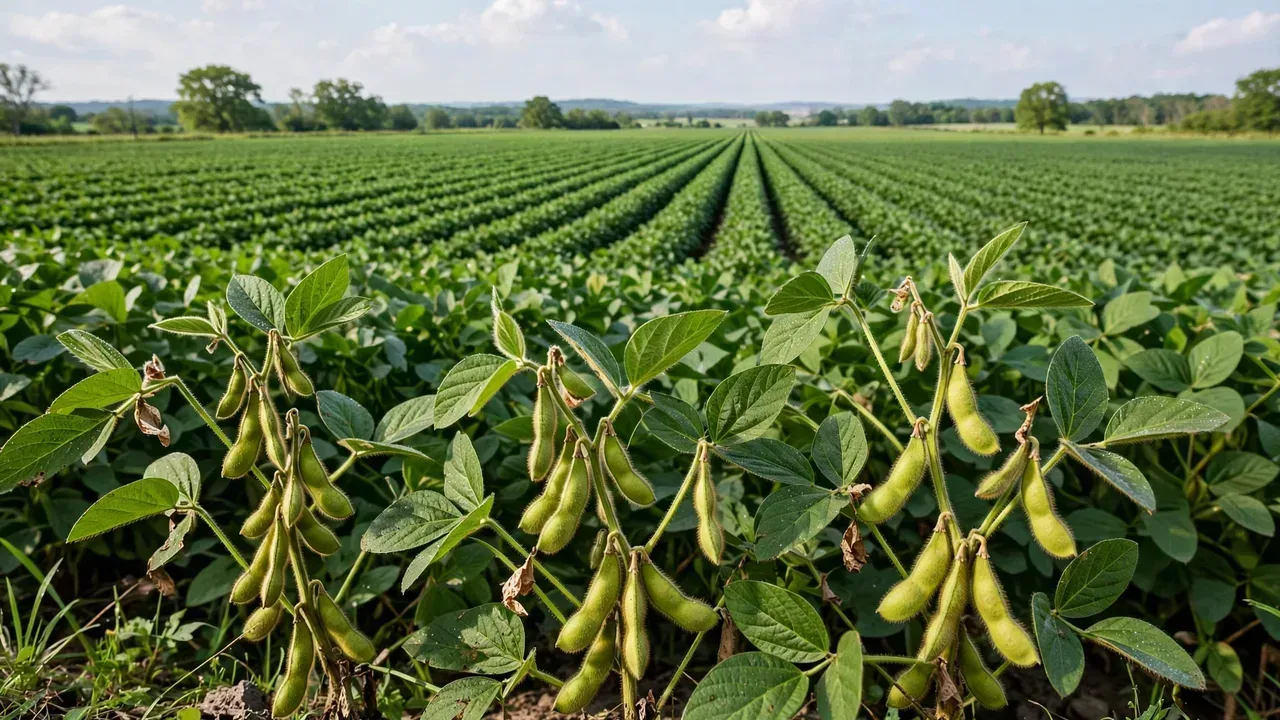
Predict soybean bushels per acre from in-field pod counts.
Results
How to Use This Calculator
Enter the required input values in the form fields above. Each field includes default values that you can adjust to match your specific situation. Click the Calculate button (or simply change any input) to see instant results. Use the Metric/Imperial toggle to switch between unit systems. Results are displayed in the results panel and can be used for farm planning and decision-making.
About This Tool
This calculator is designed to help farmers, agronomists, and agricultural students make quick, accurate calculations for farm management. It uses standard agricultural formulas based on extension service recommendations and scientific literature. Whether you are planning inputs, estimating yields, or managing finances, this tool provides reliable estimates to support your decisions.
Applicability: Applicable to major field crops (corn, soybeans, wheat) in North America and Europe, adaptable worldwide.
How the Calculation Works
Sample area (sq ft) = (row spacing in ÷ 12) × sampled length. Plants per acre = plants counted ÷ sample area × 43,560. Total seeds per acre = plants/acre × pods/plant × seeds/pod. Seeds per bushel = seeds/lb × 60 lb. Yield (bu/ac) = seeds per acre ÷ seeds per bushel. Moisture correction = (100 − actual %) ÷ (100 − 13).
Real-World Example
15-inch rows, 10 ft sampled: 20 plants, 30 pods/plant, 2.5 seeds/pod, 2,500 seeds/lb. Plants/acre ≈ 193,000. Seeds/acre ≈ 14.5 million. Seeds/bu ≈ 150,000. Yield ≈ 96 bu/ac @ 13% ≈ 6.46 t/ha.
Common Mistakes & Tips
Common mistakes: counting pods on the most beautiful plants only; sampling before pods fully fill (wait until R6–R7); using a fixed seeds/lb without checking variety; ignoring late-season pest or disease loss. Sample across the whole field, including weaker areas.
Reviewed by Agricalc Editorial Team — Agricultural engineers and agronomists with 10+ years of field experience. Our team verifies every calculator formula against peer-reviewed extension publications. For site-specific advice, consult your local agronomist.
References
- UMN Extension — Estimating Soybean Yield
- USDA — Soybean Production & Yield
- FAO — Soybean Yield Guidelines
Frequently Asked Questions
When is the best time to estimate soybean yield?
Between growth stages R6 and R7, when pods are fully filled but before significant lodging or shattering. Estimating too early overstates yield because later stress can drop pods.
How do I count pods per plant?
Select 10 random plants in the sample area, count all pods on each (including small ones), and divide by 10. A pod with at least one fully developed seed counts. Average seeds per pod on 10 random pods.
What is a typical seeds-per-pound value?
Soybean seed size varies by variety and environment, typically 2,500–3,500 seeds/lb. Check the seed tag or use a seed counter for the most accurate value; 2,500 is a reasonable default for large-seeded varieties.
Why use 60 lb per bushel?
Soybeans are legally traded at 60 lb per bushel in the US. Multiplying seeds/lb by 60 gives seeds per bushel, which converts total seed count into saleable bushels.
How accurate is the pod-count method?
It usually predicts within ±15% of actual yield because pod set responds to late-season weather. Use it to compare management practices and plan storage, and confirm with the final weigh price.