Compost Application Rate for Vegetable Beds: Tons Per Hectare
Determining the precise compost application rate vegetable beds tons hectare is a fundamental skill for modern growers aiming to balance soil fertility with environmental stewardship. Many farmers struggle to bridge the gap between volumetric delivery and mass-based field application, leading to inconsistent crop performance. This guide provides the technical framework necessary to calculate these rates accurately, ensuring your vegetable beds receive the optimal amount of organic matter for long-term health.
The Core Principles of Organic Amendment in Vegetable Systems
Understanding the Role of Compost in Intensive Bed Management
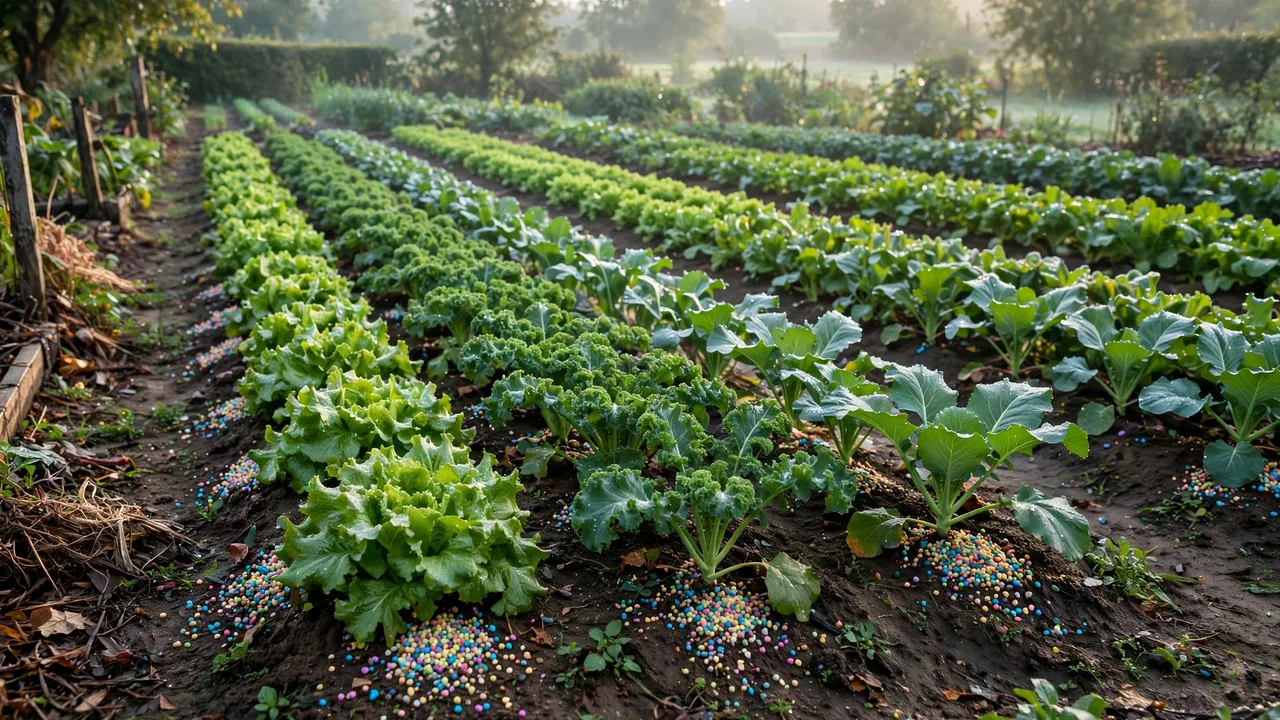
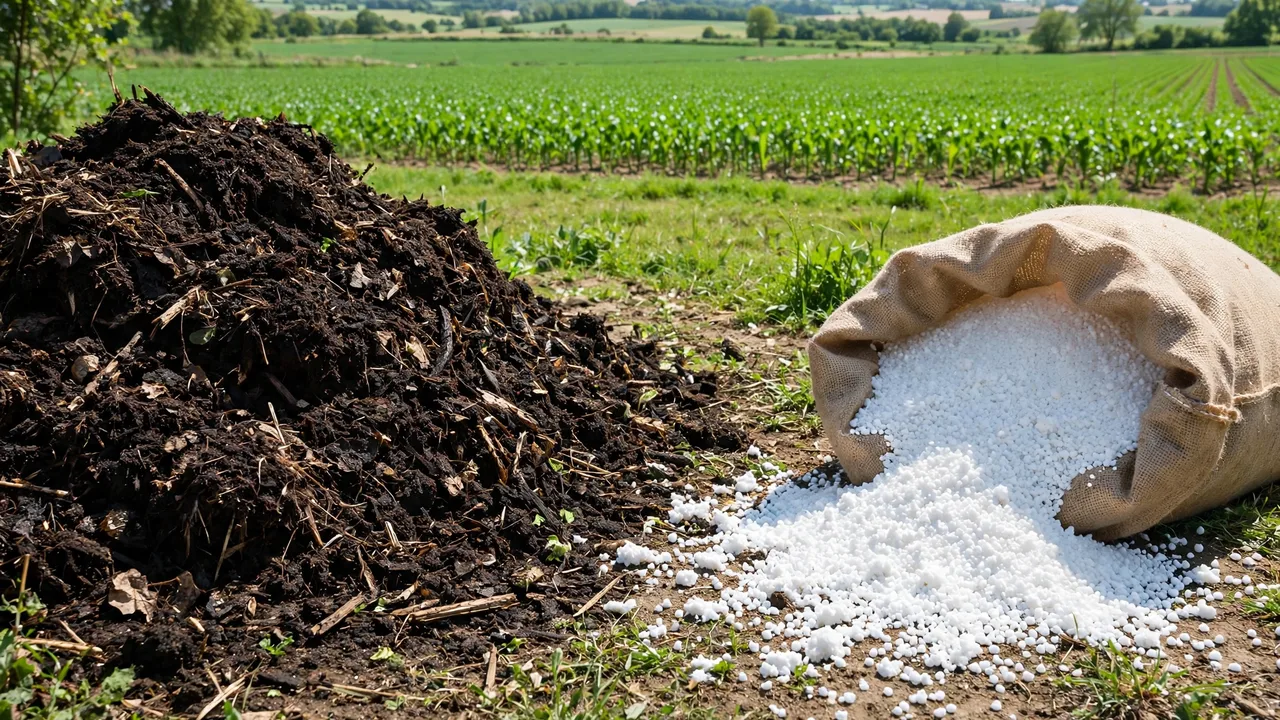
Applying compost to vegetable beds is not merely about adding nutrients; it is about building the biological and physical infrastructure of the soil. According to FAO guidance, the strategic use of organic amendments is vital for maintaining soil organic carbon levels, which directly influences water holding capacity and cation exchange. In intensive vegetable production, where tillage is frequent and nutrient demand is high, the compost application rate vegetable beds tons hectare must be calculated to replenish what is lost through oxidation and crop removal. Unlike synthetic fertilizers, compost provides a slow-release reservoir of nitrogen, phosphorus, and micronutrients, but its bulky nature requires a different mathematical approach to avoid over-application. Over-applying can lead to excessive phosphorus runoff or nitrate leaching, while under-applying fails to provide the structural benefits needed for heavy-feeding crops like brassicas or solanaceous vegetables. Precision in these calculations ensures that the investment in high-quality compost translates into measurable improvements in soil structure and marketability of the produce.
Effective soil management starts with recognizing that compost is a variable product. The moisture content, feedstock source, and degree of maturity all influence how much mass is actually being applied to the field. When we discuss application rates in tons per hectare, we are looking for a standardized metric that allows for comparison across different seasons and compost batches. This standardization is critical for agronomists and farm managers who need to track nutrient loading over time. By focusing on the mass applied per unit area, growers can align their organic matter management with professional soil test recommendations, ensuring that the vegetable beds remain productive and sustainable for future rotations.
The Formula and Step-by-Step Calculation Method
Breaking Down the Variables for Accurate Field Math
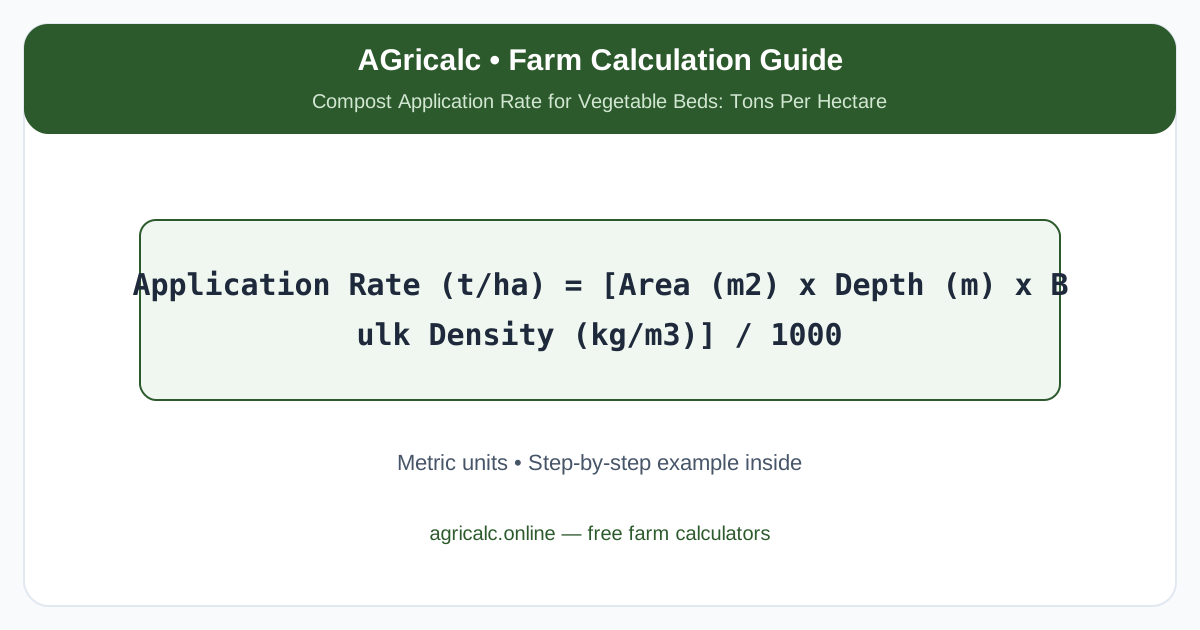
To calculate the compost application rate vegetable beds tons hectare, you must synthesize three primary variables: the target application depth, the total area of the beds, and the bulk density of the compost. The process begins by determining the volume required. If you intend to apply a layer of compost across a specific area, you multiply the area in square meters by the depth in meters. However, since compost is sold or managed by weight in large-scale operations, you must then convert this volume into mass using the bulk density. Bulk density is the weight of the compost per unit of volume, typically expressed as kilograms per cubic meter. This value varies significantly based on moisture; wet compost is much heavier and denser than dry, finished material. Because of this, it is essential to measure the density of the specific batch you are currently using rather than relying on generic industry averages. Once you have the total mass in kilograms, you divide by 1,000 to convert to metric tons, and then scale the result to a per-hectare basis if you are not already working with a full hectare.
The most common error in this calculation is failing to account for the difference between the total field area and the actual bed area. In vegetable production, paths between beds often occupy 30% to 50% of the field. If you only apply compost to the tops of the beds, your 'per hectare' rate refers to the treated area, not the total land area. Always clarify whether your target rate is for the 'planted hectare' or the 'total hectare' to ensure your nutrient budget remains accurate. Precision at this stage prevents the costly mistake of ordering too much or too little material for the season.
A Worked Example: Calculating Rates for a Standard Field
Applying 15mm of Compost to a One-Hectare Vegetable Plot
Let us walk through a realistic scenario to demonstrate the math. Suppose a grower wants to apply a 15mm layer of finished green-waste compost to a 1-hectare field of vegetable beds. First, we convert the depth from millimeters to meters: 15mm / 1,000 = 0.015 meters. The area is 1 hectare, which is exactly 10,000 square meters. The volume of compost required is 10,000 m2 multiplied by 0.015 m, which equals 150 cubic meters. Next, we must determine the mass. A typical density for mature, moderately moist compost is 550 kilograms per cubic meter. We multiply the volume by the density: 150 m3 x 550 kg/m3 = 82,500 kilograms. To find the tons, we divide by 1,000, resulting in 82.5 metric tons. Therefore, the compost application rate vegetable beds tons hectare for this specific field and material is 82.5 t/ha. This calculation allows the farmer to communicate clearly with the compost supplier and properly calibrate their manure spreader for the task at hand.
If the same farmer decided to only apply compost to the bed tops, which cover only 60% of the total hectare, the volume would drop to 90 cubic meters (150 m3 x 0.60). The resulting mass would then be 49.5 metric tons. This distinction is vital for financial planning and nutrient management planning. By performing these calculations before the tractor enters the field, the grower ensures that the application is uniform and that the soil receives the exact amendment level required for the upcoming crop cycle, avoiding the guesswork that often leads to uneven crop growth.
Practical Notes and Common Calculation Mistakes
Calibration and Environmental Considerations for Growers
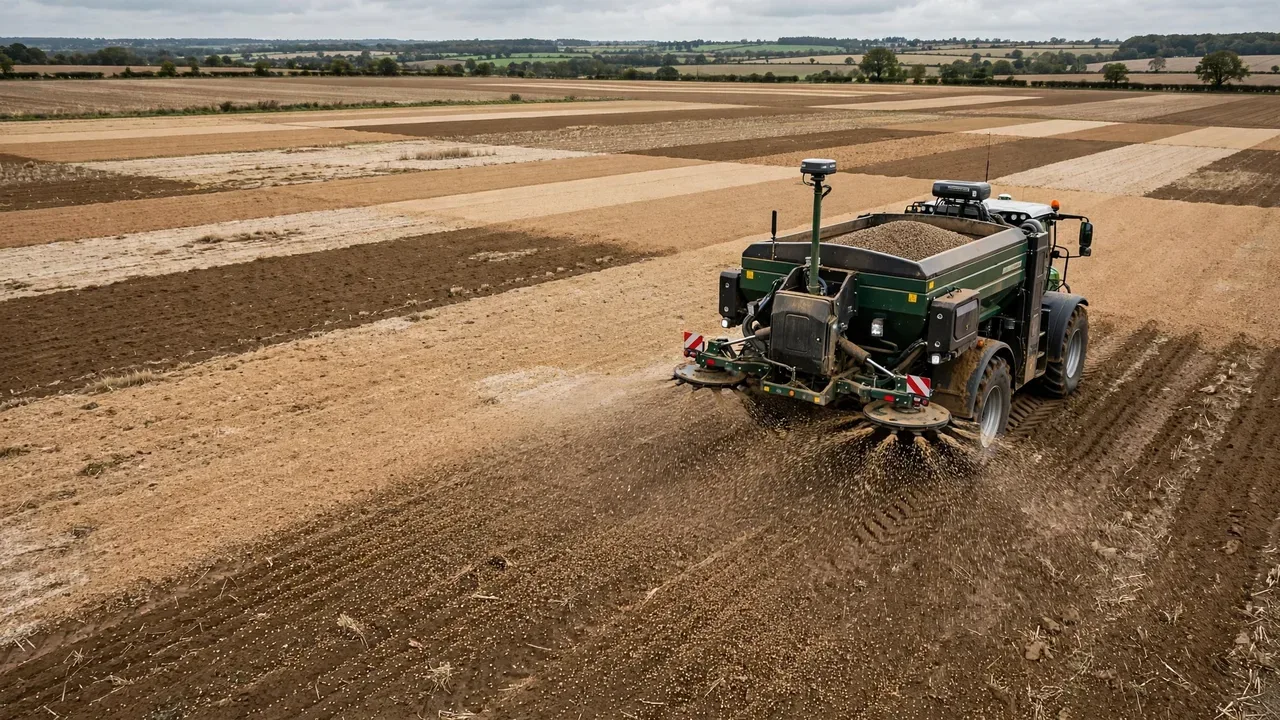
Practical application requires more than just paper math; it requires machine calibration. Even if you have calculated the perfect compost application rate vegetable beds tons hectare, the result depends on the spreader's ability to deliver that mass consistently. Farmers should perform a 'tarp test' by laying out a known area of plastic, driving over it with the spreader at a set speed and PTO setting, and weighing the material collected. This verifies that the theoretical math aligns with the physical output. Furthermore, environmental regulations often dictate a maximum application rate based on the phosphorus index of the soil. In many regions, even if the soil needs the organic matter, high phosphorus levels in the compost might limit your application rate to a lower tonnage than initially planned. Always consult a recent soil test to ensure your calculated rate does not violate local environmental guidelines or lead to nutrient imbalances that could lock up essential micronutrients like zinc or iron.
Another common mistake is ignoring the moisture content changes during storage. If a pile of compost sits out in heavy rain, its bulk density will increase significantly, meaning you will need to apply more weight to achieve the same volume of organic solids. Conversely, compost that dries out in the sun becomes lighter, potentially leading to over-application if you are spreading by weight. Regularly re-checking the weight of a five-gallon bucket of your compost is a quick way to update your density figures and maintain the accuracy of your application rates throughout the spreading season.
Frequently Asked Questions
How do I find the bulk density of my compost?
To find bulk density, fill a container of a known volume, like a 10-liter bucket, with compost. Do not pack it down, just settle it slightly. Weigh the compost in kilograms and divide by the volume in cubic meters. For a 10L bucket, multiply the weight by 100 to get kg/m3.
What is a typical compost application rate for vegetables?
Typical rates vary from 10 to 50 tons per hectare depending on soil needs. Low-intensity maintenance might require only 5-10 t/ha, while building up depleted soil for heavy feeders like cabbage or tomatoes might require 40-60 t/ha, provided phosphorus levels allow it.
Does compost quality change the application math?
The math for volume and weight remains the same, but the nutrient density changes. Higher quality, nutrient-dense compost may require a lower application rate to meet nitrogen requirements compared to a lower quality, woody compost, even if the target organic matter increase is the same.
How often should I re-calculate my application rate?
You should re-calculate every time you receive a new batch of compost or if the moisture level of your existing pile changes significantly. Small changes in bulk density can lead to multi-ton errors when scaled across an entire hectare of vegetable beds.
Mastering the calculation of compost application rates ensures your vegetable beds remain fertile, productive, and environmentally sound. By understanding the relationship between volume, density, and area, you can make data-driven decisions that improve your bottom line. To simplify this process and avoid manual errors, use the professional compost calculator at agricalc.online for your next field application.