No hay cálculos aún
No hay favoritos aún
Huella de Carbono Agrícola
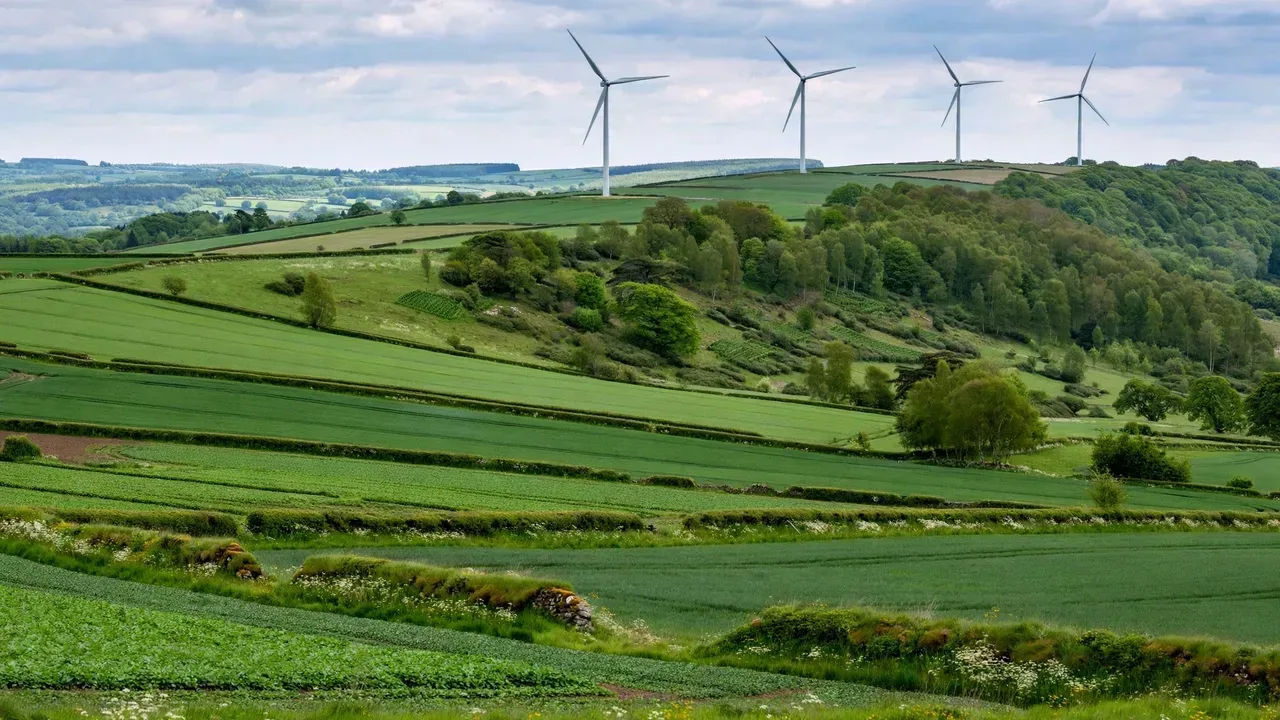
Estima las emisiones de gases de efecto invernadero de tu operación agrícola e identifica oportunidades de reducción.
Resultados
Cómo Usar Esta Calculadora
Introduce los valores requeridos en los campos del formulario. Cada campo incluye valores predeterminados ajustables. Haz clic en Calcular para ver resultados instantáneos. Usa el interruptor Métrico/Imperial para cambiar de sistema. Los resultados se muestran en el panel y pueden usarse para planificación agrícola.
Acerca de Esta Herramienta
La Carbon Footprint ayuda a agricultores, agrónomos y estudiantes a realizar cálculos rápidos y precisos para la gestión de la finca. Utiliza fórmulas agrícolas estándar basadas en recomendaciones de extensión y literatura científica.
Aplicabilidad: Útil para gestión de fincas en diversas regiones de América Latina.
Cómo Funciona el Cálculo
Esta calculadora utiliza fórmulas agrícolas establecidas. La metodología sigue prácticas recomendadas por servicios de extensión e instituciones de investigación. Todas las fórmulas son transparentes y verificables. Considera factores de eficiencia y pérdidas cuando corresponde.
Ejemplo Práctico
Un agricultor usa esta calculadora para planificar carbon footprint en su operación. Al introducir datos específicos, recibe cálculos instantáneos para tomar decisiones informadas. Los resultados permiten comparar escenarios, optimizar insumos y estimar resultados antes de comprometer recursos.
Consejos y Errores Comunes
Errores comunes: usar unidades incorrectas, introducir datos estimados en lugar de medidos, ignorar condiciones locales, sobreinterpretar resultados. Para mejores resultados: usa entradas precisas, comprende los supuestos, verifica con experiencia, consulta expertos y usa análisis de escenarios.
Referencias
- USDA — Climate Smart Agriculture
- FAO — Climate Change and Food Security
- IPCC — 2019 Refinement to GHG Guidelines
Preguntas Frecuentes
How do I calculate my farm's Carbon Footprint?
Calculate farm Carbon Footprint by summing emissions from all sources: livestock enteric fermentation (cattle produce 100-200 kg CH4/head/year), manure management (CH4 and N2O from storage), fertilizer application (1-2% of applied N becomes N2O — 1 kg N2O = 298 kg CO2e), fuel combustion (diesel 2.68 kg CO2/L, gasoline 2.32 kg CO2/L), electricity use (0.4-0.8 kg CO2/kWh depending on grid), and land use change. Use GHG Protocol or IPCC guidelines. Carbon sequestration from soil (cover crops, no-till can sequester 0.2-2 t CO2e/ha/year) and trees offsets emissions. Net footprint = total emissions − sequestration. Many farms can reduce footprint 20-40% through improved management.
What are the biggest sources of Carbon Footprint in agriculture?
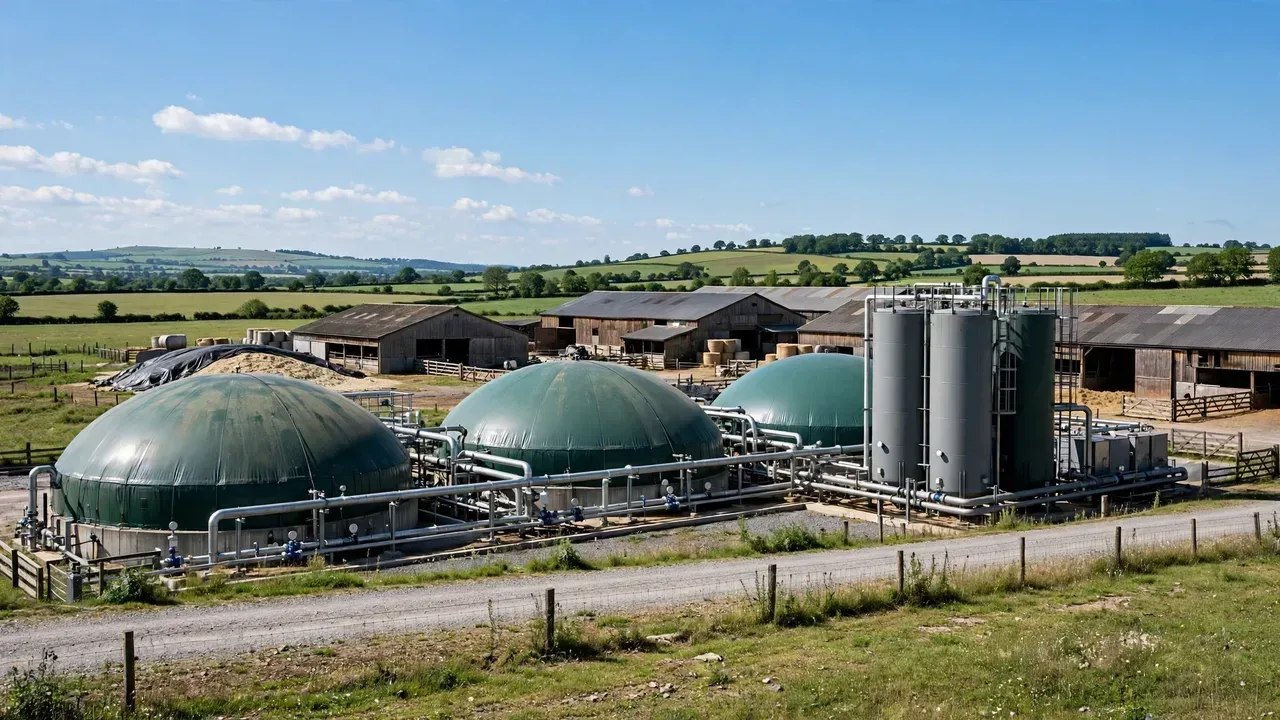
Biggest agricultural Carbon Footprint sources globally: enteric fermentation from ruminants (≈40% of ag emissions — cattle, sheep, goats produce methane during digestion), manure management (≈15% — methane from anaerobic storage, nitrous oxide from decomposition), synthetic fertilizer use (≈15% — nitrous oxide from soil after N application), rice cultivation (≈10% — methane from flooded paddies), and fuel/energy use (≈10%). In crop-only farms, fertilizer and fuel dominate. In livestock farms, enteric fermentation dominates. Reducing these: improve feed efficiency (less methane per kg product), anaerobic digesters for manure, precision fertilization, alternate wetting/drying for rice, renewable energy.
How can I reduce my farm's Carbon Footprint?
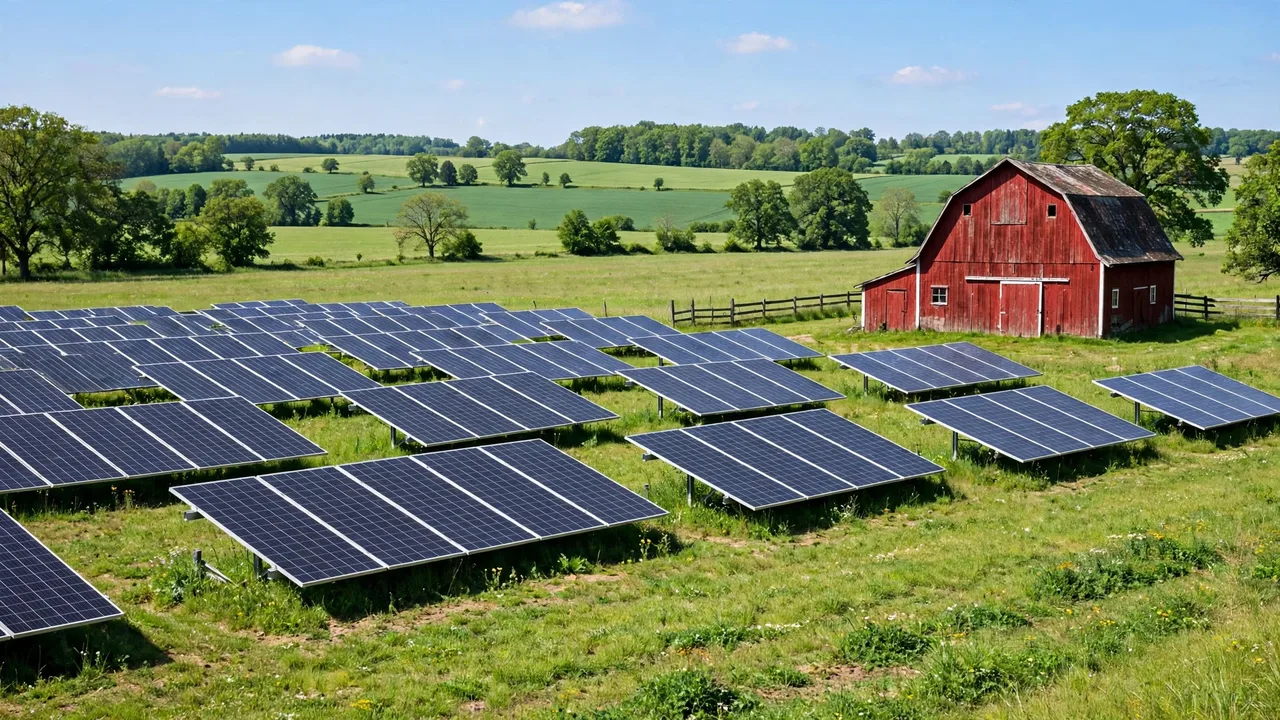
Reduce Carbon Footprint through: soil carbon sequestration (cover crops, no-till/reduced tillage, crop rotation — sequesters 0.2-2 t CO2e/ha/year), livestock management (improve feed efficiency, add 3-NOP or seaweed to reduce methane 20-80%, manure composting vs lagoon storage), nutrient management (split N applications, use inhibitors, soil testing to avoid over-application — reduces N2O), renewable energy (solar panels, biogas from manure, wind), energy efficiency (LED lighting, variable speed motors, insulation), and agroforestry (trees sequester 5-20 t CO2e/ha/year). Many reductions also save money — less fertilizer, less fuel, lower energy bills.
Can I earn carbon credits for Carbon Footprint reduction?
Yes, farmers can earn carbon credits through verified protocols: Verra VCS, Gold Standard, Climate Action Reserve, and USDA climate-smart programs. Common activities: no-till conversion (0.2-0.5 t CO2e/acre/year), cover cropping (0.2-1.0 t CO2e/acre/year), improved grazing management (0.5-2 t CO2e/acre/year), anaerobic digesters (large volume credits), afforestation/reforestation. Credit prices: $5-30/t CO2e (voluntary market), higher for verified additionality. Requirements: baseline measurement, third-party verification, permanence commitments (20-100 years), leakage monitoring. Transaction costs can be high for small farms — group aggregation through cooperatives reduces per-farm costs. Revenue is typically $5-50/acre/year.
How accurate are Carbon Footprint calculations?
Carbon Footprint calculations use IPCC emission factors which have uncertainty ranges: enteric fermentation ±20-30%, manure management ±30-50%, fertilizer N2O ±40-60%, fuel combustion ±5-10%. Tier 1 (default factors) is least accurate but simplest; Tier 2 (country/region-specific factors) improves accuracy; Tier 3 (farm-specific measurement, direct monitoring) is most accurate but expensive. For most farms, Tier 1-2 provides a reasonable estimate for tracking trends. Key accuracy tips: use actual fuel/fertilizer records rather than estimates, measure manure management system type, use local climate data. The goal is identifying major sources and tracking reductions over time, not laboratory precision.