Land Area Converter
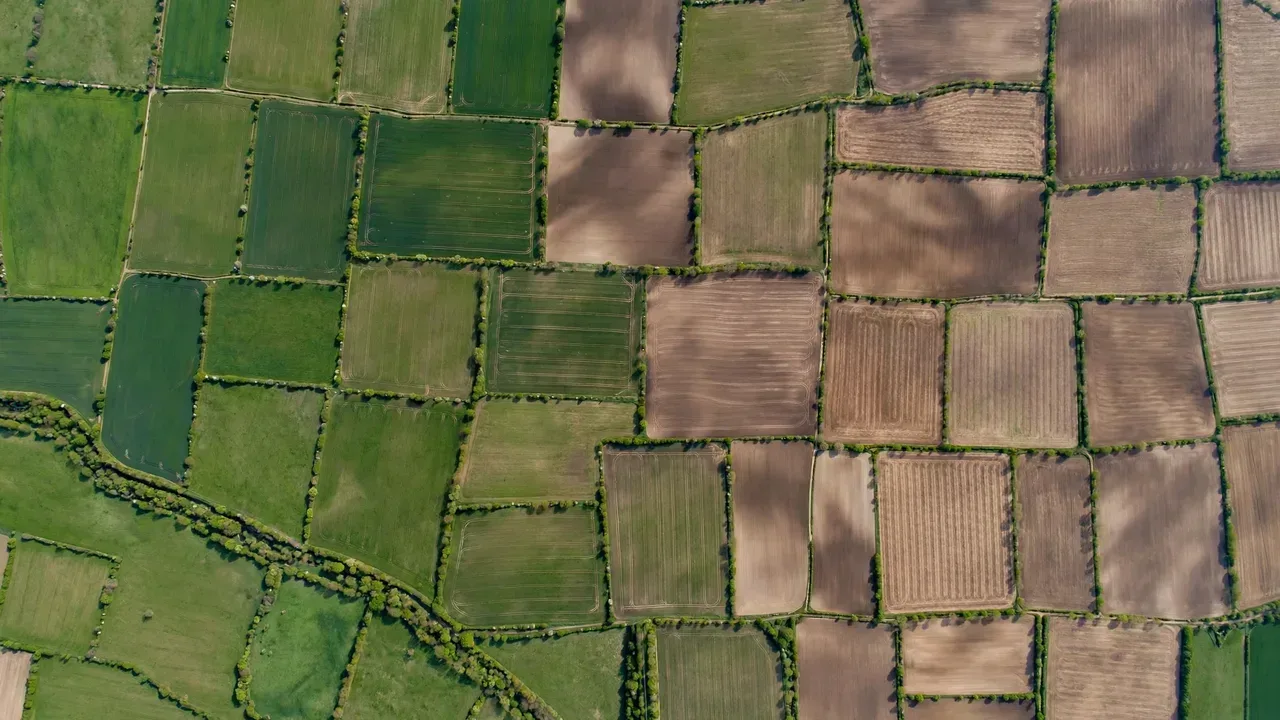
Convert between hectares, acres, square meters, square kilometers, and Chinese mu instantly.
Results
How to Use This Calculator
Enter the required input values in the form fields above. Each field includes default values you can adjust. Click Calculate to see instant results. Use the Metric/Imperial toggle to switch unit systems. Results are displayed in the results panel for farm planning.
About This Tool
The Area Converter helps farmers, agronomists, and agricultural students make quick, accurate calculations for farm management. This tool uses standard agricultural formulas based on extension service recommendations and scientific literature.
Applicability: Useful for general farm management across diverse agricultural regions worldwide.
How the Calculation Works
This calculator uses established agricultural formulas to compute results from your input values. The methodology follows standard practices recommended by agricultural extension services and research institutions. All formulas are transparent and verifiable against published literature. The calculator accounts for standard efficiency factors and loss rates where applicable.
Real-World Example
A farmer uses this calculator to plan area converter for their operation. By entering specific field data, they receive instant calculations that support informed management decisions. The results allow comparing scenarios, optimizing inputs, and estimating outcomes before committing resources.
Common Mistakes & Tips
Common mistakes include using incorrect units (always verify metric vs imperial), entering estimated rather than measured data, ignoring local conditions and extension recommendations, and over-interpreting results. For best results: use accurate measured inputs, understand formula assumptions, verify results against experience, consult local experts for critical decisions, and use scenario analysis.
Reviewed by Agricalc Editorial Team — Agricultural engineers and agronomists with 10+ years of field experience. Our team verifies every calculator formula against peer-reviewed extension publications. For site-specific advice, consult your local agronomist.
References
- FAO — Sustainable Agriculture
- USDA — Agricultural Production Guidelines
- University of Minnesota Extension — Agriculture
Frequently Asked Questions
How do I use this Area Converter effectively?
To use this Area Converter effectively: (1) Gather accurate input data — garbage in, garbage out, (2) Understand each input field and use appropriate units, (3) Start with default values to understand behavior, then substitute your data, (4) Review results and verify they make sense (compare with experience or extension recommendations), (5) Use scenario analysis — test 'what if' situations, (6) Save useful calculations for reference, (7) Combine with other calculators for comprehensive planning. Calculators are decision-support tools — always use professional judgment and consult local experts for critical decisions.
What are common mistakes when using Area Converter?
Common mistakes: using incorrect units (mixing metric/imperial, hectares vs acres, kg vs pounds), entering estimated rather than measured data, misunderstanding formula assumptions, ignoring local conditions and extension recommendations, over-interpreting results (calculators provide estimates, not exact predictions), forgetting efficiency/loss factors (irrigation efficiency, harvest losses, germination rates), and using outdated price/cost data. Double-check inputs and understand the methodology to avoid costly errors. When in doubt, verify results with a second method or consult your local extension agent.
How does Area Converter compare to manual calculations?
Area Converter advantages over manual: speed (instant vs minutes), accuracy (reduces arithmetic errors), consistency (same formula every time), scenario analysis (easy to compare options), accessibility (anywhere with internet), and documentation. Manual calculations remain valuable for: understanding the underlying math, verifying results, situations without a calculator, and education. Best approach: use calculators for efficiency while understanding formulas so you can verify results and catch errors. Always sanity-check — if a result seems too good or too bad to be true, check your inputs.
What data do I need for accurate Area Converter results?
Accurate Area Converter results require: measured rather than estimated inputs (actual field area from GPS, actual yield from weigh tickets, actual prices from market reports), correct units matching calculator expectations, current data (prices/rates change over time), site-specific information (soil type, climate, crop variety, local conditions), and complete data (missing inputs may cause defaults that don't apply). For financial calculations, include all variable and fixed costs. For agronomic calculations, follow soil test and extension recommendations. Taking time to gather accurate input data ensures reliable, actionable results.
Can I integrate Area Converter results with other farm planning?
Yes, Area Converter results should be integrated with other tools for comprehensive decision-making: combine yield calculators with budget calculators for profit projections, irrigation with pump capacity for system design, seeding rate with plant population for stand planning, livestock weight gain with feed calculators for ration planning, price converters with produce pricing for marketing, soil tests with fertilizer/lime calculators for nutrient management. Many farmers use spreadsheets to combine results into whole-farm plans. Farm management software and mobile apps offer integrated suites. Use consistent assumptions across all tools for coherent planning.