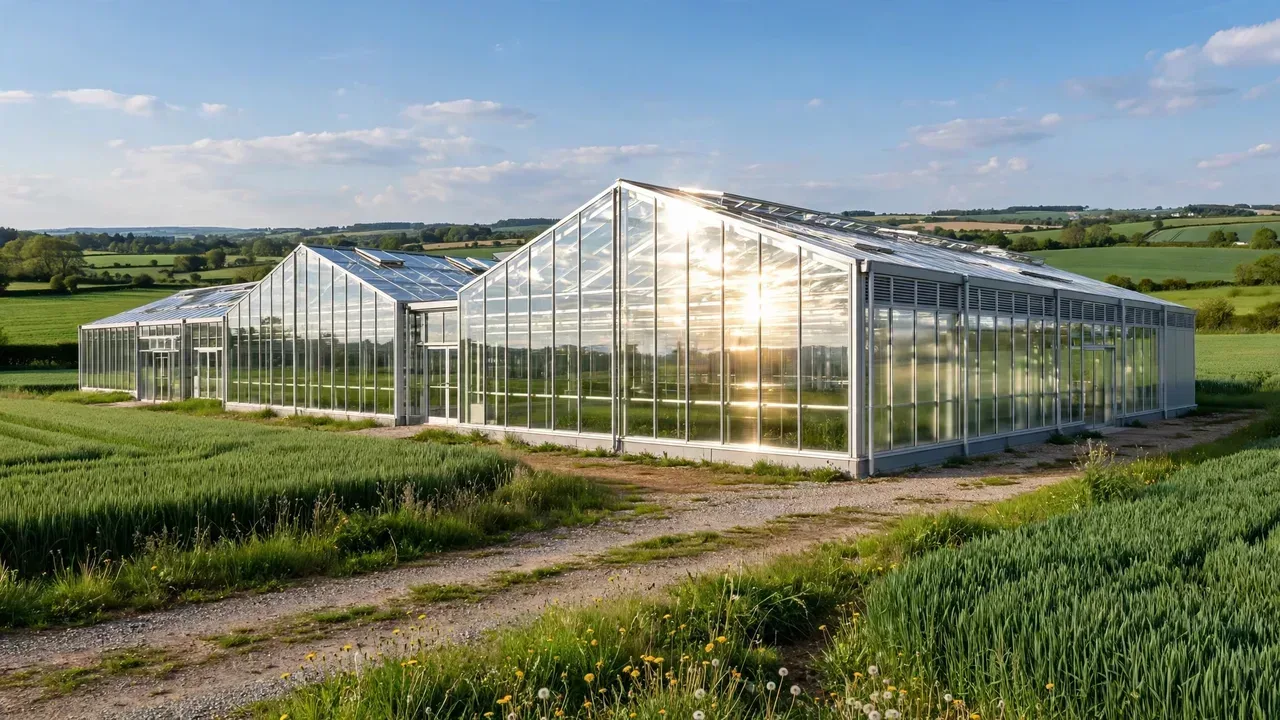
Greenhouse Ventilation Calculator
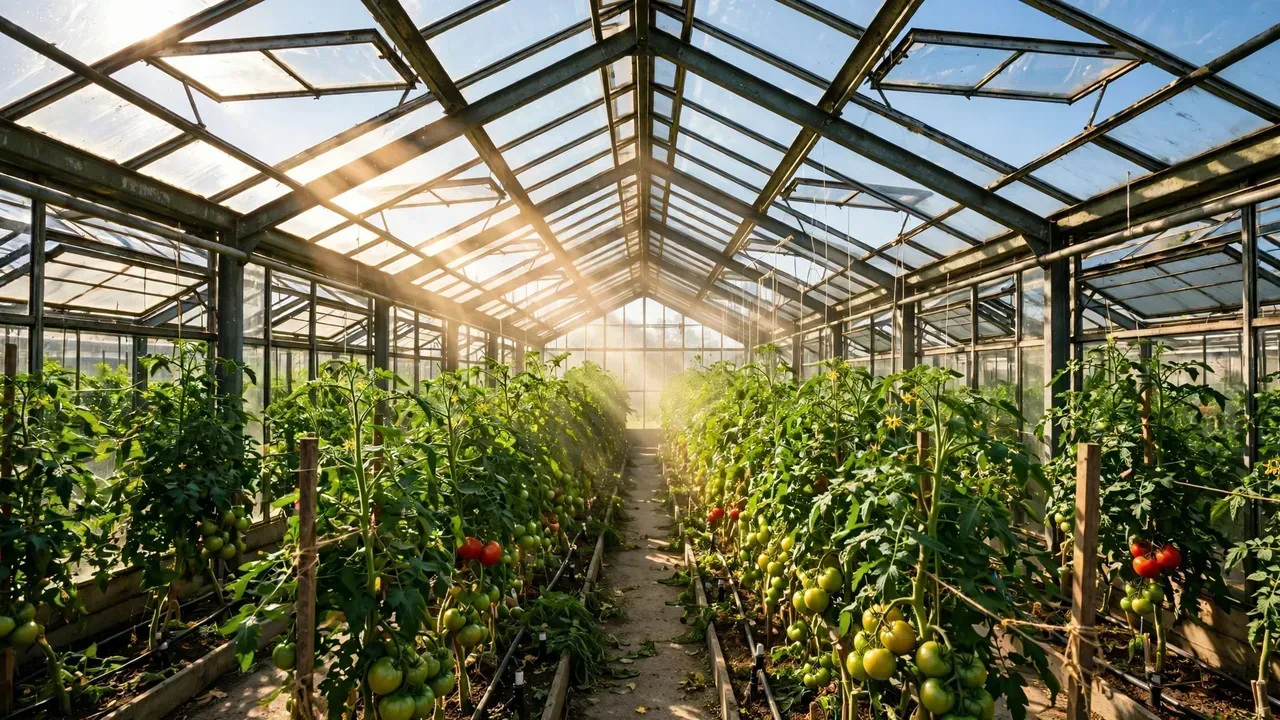
Calculate required ventilation rate and duration based on greenhouse volume, temperature difference, and target humidity.
Results
How to Use This Calculator
Enter the required input values in the form fields above. Each field includes default values you can adjust. Click Calculate to see instant results. Use the Metric/Imperial toggle to switch unit systems. Results are displayed in the results panel for farm planning.
About This Tool
The Greenhouse Ventilation helps farmers, agronomists, and agricultural students make quick, accurate calculations for farm management. This tool uses standard agricultural formulas based on extension service recommendations and scientific literature.
Applicability: Designed for farm equipment and energy planning in North American and European contexts.
How the Calculation Works
This calculator uses established agricultural formulas to compute results from your input values. The methodology follows standard practices recommended by agricultural extension services and research institutions. All formulas are transparent and verifiable against published literature. The calculator accounts for standard efficiency factors and loss rates where applicable.
Real-World Example
A farmer uses this calculator to plan greenhouse ventilation for their operation. By entering specific field data, they receive instant calculations that support informed management decisions. The results allow comparing scenarios, optimizing inputs, and estimating outcomes before committing resources.
Common Mistakes & Tips
Common mistakes include using incorrect units (always verify metric vs imperial), entering estimated rather than measured data, ignoring local conditions and extension recommendations, and over-interpreting results. For best results: use accurate measured inputs, understand formula assumptions, verify results against experience, consult local experts for critical decisions, and use scenario analysis.
Reviewed by Agricalc Editorial Team — Agricultural engineers and agronomists with 10+ years of field experience. Our team verifies every calculator formula against peer-reviewed extension publications. For site-specific advice, consult your local agronomist.
References
- USDA — Greenhouse and Nursery Production
- Penn State Extension — Greenhouse Management
- University of Minnesota Extension — Greenhouse Production
Frequently Asked Questions
How do I calculate the profitability of Greenhouse Ventilation?
Calculate Greenhouse Ventilation profitability: (1) Estimate revenue = crop yield per m² × selling price × growing area × crops per year, (2) Calculate operating costs (heating, electricity, water, CO2, seeds, substrate, labor, pest control, packaging), (3) Add annualized capital costs (structure depreciation over 15-20 years, equipment depreciation, interest), (4) Net profit = revenue − total costs. Greenhouse crops can achieve 2-5× field crop revenue per m² but have 3-10× higher operating costs, especially heating in cold climates. Energy typically represents 20-40% of greenhouse operating costs.
What are the main costs in Greenhouse Ventilation production?
Main Greenhouse Ventilation costs: heating (20-40% of operating costs in temperate climates), electricity for ventilation/lighting/pumps (10-20%), labor (15-25%), seeds/propagation material (5-15%), substrate/growing media (5-10%), CO2 enrichment (2-8%), pest and disease control (3-8%), water and fertilizer (2-5%), packaging and marketing (5-15%). Capital costs: structure ($50-200/m² for basic to high-tech), heating system, benches, irrigation, environmental controls. Energy efficiency investments (insulation, heat curtains, efficient boilers) typically pay back in 3-5 years.
How does climate affect Greenhouse Ventilation design and operation?
Climate determines: heating requirements (colder climates need larger boilers and more insulation — heating degree days calculate fuel needs), cooling requirements (hot climates need evaporative cooling, shade screens, more ventilation), light levels (northern latitudes may need supplemental lighting for winter production, high-light areas need shade), humidity management (high humidity increases disease risk), and crop selection. A greenhouse in Minnesota needs 3-4× more heating than one in Florida. Site selection matters: maximize solar exposure, provide wind protection, ensure good drainage. Use local climate data for system design.
What crops are most profitable for Greenhouse Ventilation?
Most profitable greenhouse crops: tomatoes (high yield, year-round demand, $2-5/kg), cucumbers (high yield, fast turnover), peppers (premium prices, good shelf life), lettuce and leafy greens (fast crop cycle 4-6 weeks, high demand), herbs (high value per m², low input needs), strawberries (premium price, but more labor intensive), and ornamental plants (high margins, seasonal demand). Profitability depends on local market, production expertise, and energy costs. Start with high-value, fast-turnover crops (lettuce, herbs) while learning, then expand to higher-investment crops (tomatoes, peppers).
How do I manage pests and diseases in Greenhouse Ventilation?
Greenhouse pest/disease management: prevention (strict hygiene, foot baths, clean tools, screened vents, pest-free planting material), monitoring (sticky traps, regular scouting, environmental sensors), cultural controls (proper spacing for airflow, temperature/humidity management, adequate plant nutrition), biological controls (predatory mites for spider mites, parasitic wasps for whiteflies, Bacillus thuringiensis for caterpillars), and chemical controls only as last resort (rotating modes of action to prevent resistance). The enclosed environment means pests can explode rapidly — early detection is critical. Many greenhouses implement full IPM programs with weekly scouting and biological control releases.