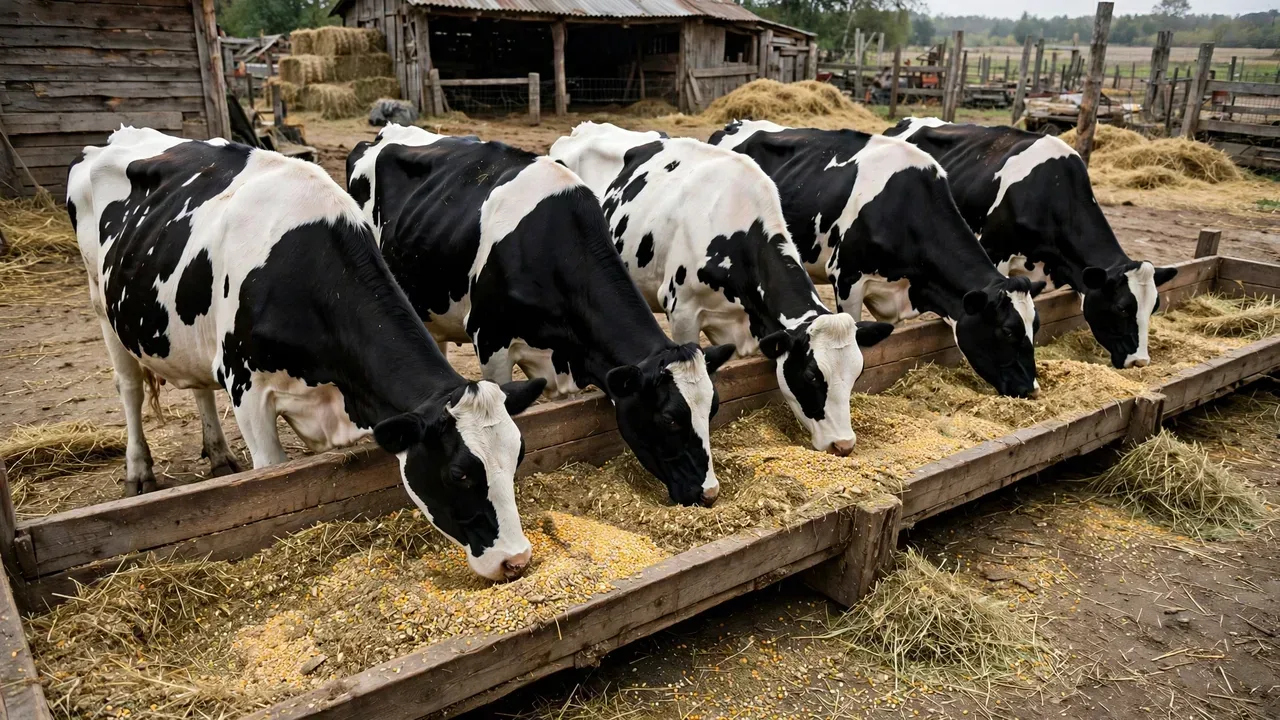
Livestock Weight Estimator
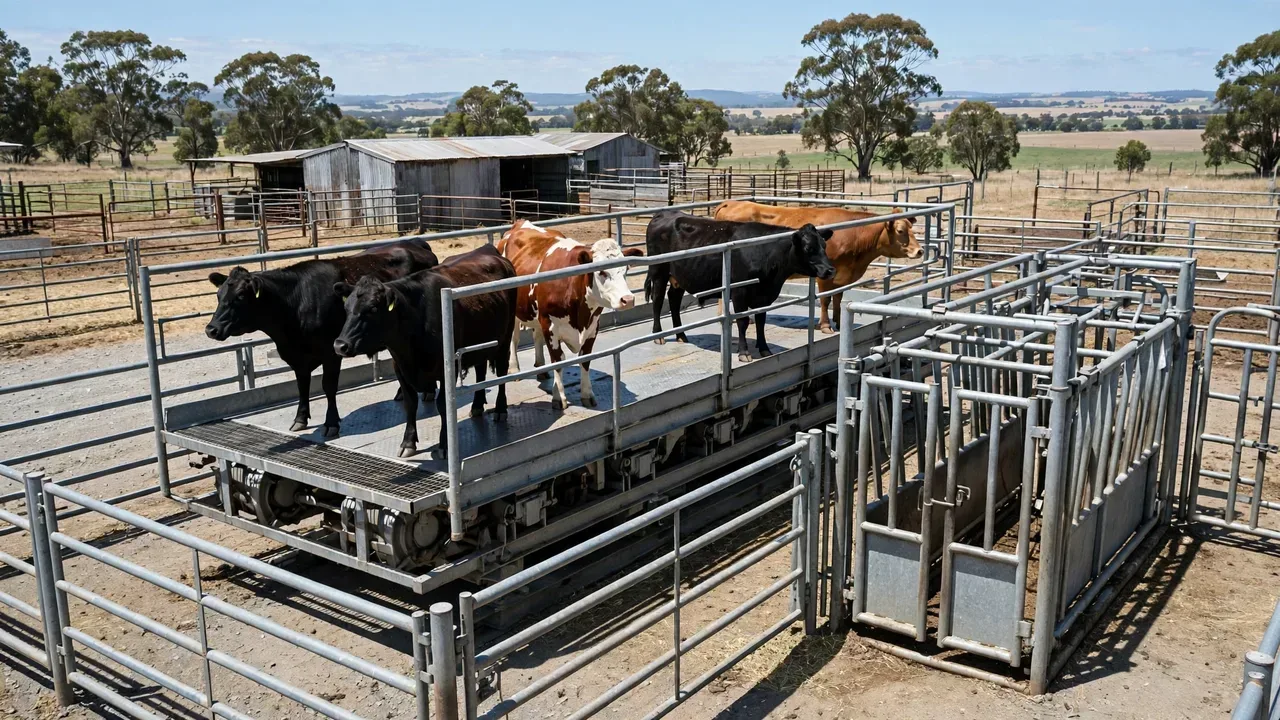
Estimate animal weight from body measurements (heart girth and length) without a scale.
Results
How to Use This Calculator
Enter the required input values in the form fields above. Each field includes default values that you can adjust to match your specific situation. Click the Calculate button to see instant results. Use the Metric/Imperial toggle to switch between unit systems. Results are displayed in the results panel and can be used for farm planning and decision-making.
About This Tool
The Livestock Weight Estimator is designed to help farmers, agronomists, and agricultural students make quick, accurate calculations for farm management. This tool uses standard agricultural formulas based on extension service recommendations and scientific literature. Whether you are planning inputs, estimating yields, or managing finances, this calculator provides reliable estimates to support your decisions.
Applicability: This calculator is designed for global livestock operations, with particular relevance for North American and European cattle, pig, and poultry farms.
How the Calculation Works
This calculator uses established agricultural formulas to compute results from your input values. The calculation methodology follows standard practices recommended by agricultural extension services and research institutions. All formulas are transparent and can be verified against published agricultural literature. The calculator accounts for standard efficiency factors and loss rates where applicable. For precise site-specific recommendations, consult your local agricultural extension service or a qualified agronomist.
Real-World Example
A farmer uses this calculator to plan livestock weight estimator for their operation. By entering their specific field data, they receive instant calculations that help them make informed management decisions. The results allow them to compare different scenarios, optimize inputs, and estimate outcomes before committing resources. This saves time, reduces waste, and improves overall farm efficiency and profitability.
Common Mistakes & Tips
Common mistakes include using incorrect units (always verify metric vs imperial), entering estimated rather than measured data, ignoring local conditions and extension recommendations, and over-interpreting results (calculators provide estimates, not exact predictions). For best results: use accurate measured inputs, understand the formula assumptions, verify results against experience, consult local experts for critical decisions, and use scenario analysis to compare options before acting.
Reviewed by Agricalc Editorial Team — Agricultural engineers and agronomists with 10+ years of field experience. Our team verifies every calculator formula against peer-reviewed extension publications. For site-specific advice, consult your local agronomist.
References
- FAO — Livestock Production Systems and Management
- USDA APHIS — Livestock Health and Management Guide
- Penn State Extension — Livestock Density and Housing Management
Frequently Asked Questions
What is the optimal Livestock Weight Estimator for different livestock species?
Optimal Livestock Weight Estimator varies by species and production stage. For cattle: growing calves gain 0.8-1.2 kg/day on good nutrition, mature beef cows maintain weight on 2% of body weight DM/day. For pigs: growing-finishing pigs gain 0.7-0.9 kg/day with FCR of 2.5-3.0. For poultry: broilers reach 2 kg in 5-6 weeks with FCR of 1.6-1.9. For sheep: lambs gain 0.2-0.3 kg/day. Genetics, nutrition, health, and environment all influence actual performance. Regular weighing and record-keeping help identify underperforming animals and adjust management.
How do nutrition and Livestock Weight Estimator relate?
Nutrition is the primary driver of Livestock Weight Estimator. Energy (from carbohydrates and fats) fuels maintenance and growth; protein builds muscle and supports reproduction; minerals and vitamins are essential for bone development, immune function, and metabolic processes. Deficiencies limit growth even with adequate energy intake. For example, cattle on low-protein forage (<7% CP) cannot digest fiber efficiently, reducing intake and gain. Ration balancing using forage analysis and animal requirements (NRC or similar standards) optimizes Livestock Weight Estimator while minimizing feed costs. Consult a nutritionist for complex rations.
What health issues affect Livestock Weight Estimator?
Health issues that reduce Livestock Weight Estimator include: parasitic infections (internal parasites reduce nutrient absorption by 10-30%), respiratory disease (shipping fever in cattle costs $50-100+ per affected animal), digestive disorders (acidosis in cattle on high-grain diets), lameness (reduces feed intake and mobility), reproductive failures (infertility, abortion), and metabolic diseases (milk fever, ketosis in dairy). Prevention through vaccination, parasite control, proper nutrition, biosecurity, and stress reduction is far more cost-effective than treatment. Regular health monitoring and prompt veterinary intervention minimize production losses.
How do I measure and track Livestock Weight Estimator?
Measuring and tracking Livestock Weight Estimator requires: regular weighing (cattle every 30-60 days, pigs every 2-4 weeks, poultry at key stages), using a calibrated scale or weight tape (for cattle, heart girth measurement estimates weight within 5-10%), recording individual or group weights, calculating average daily gain (ADG = (final weight − initial weight) ÷ days), tracking feed intake to calculate feed conversion ratio (FCR = feed consumed ÷ weight gain), and maintaining records in a spreadsheet or herd management software. Comparing actual performance against breed standards and historical data identifies problems early and evaluates management changes.
What environmental factors influence Livestock Weight Estimator?
Environmental factors influencing Livestock Weight Estimator include: temperature (heat stress above 25-30°C reduces feed intake by 10-30% and growth; cold stress increases energy requirements for maintenance), humidity (high humidity exacerbates heat stress), ventilation (poor air quality in barns causes respiratory disease and reduces growth), stocking density (overcrowding increases stress, aggression, and disease while reducing feed access), lighting (proper light cycles improve poultry growth and reproduction), and water quality/availability (clean water is essential — water intake correlates directly with feed intake). Providing a comfortable, low-stress environment maximizes genetic potential for growth.