Precision Agriculture Guide: GPS, Variable Rate, and Yield Mapping
Introduction
Precision agriculture uses GPS, sensors, and data analytics to apply the right input, at the right rate, in the right place, at the right time. Farms using variable rate fertilizer application typically reduce input use by 10–25% while maintaining or increasing yields, and yield mapping reveals spatial variability that uniform management hides.
This guide covers GPS guidance, variable rate application for fertilizer and seeding, yield mapping and data analysis, soil moisture sensors, and drone scouting. We explain how to start with low-cost tools, integrate data layers, and use a yield calculator to turn raw data into management decisions.
Core Precision Agriculture Technologies
GPS and GNSS Guidance
Global Positioning System (GPS) and other Global Navigation Satellite Systems (GNSS) form the foundation of precision agriculture. These systems allow farmers to accurately track their position in the field, enabling auto-steer systems for tractors and implements. RTK (Real-Time Kinematic) GPS can achieve centimeter-level accuracy, ensuring that each pass through the field overlaps minimally, reducing fuel consumption and input waste.
Soil Sensors and Mapping
Soil sensors measure various properties including moisture, temperature, pH, and nutrient levels in real-time. These sensors can be stationary, installed at multiple locations in a field, or mobile, mounted on equipment to create detailed soil maps as they traverse the field. This data helps farmers understand soil variability and make informed decisions about irrigation and fertilization.
Variable Rate Technology (VRT)
Variable rate technology allows farmers to apply inputs like fertilizers, pesticides, and seeds at different rates across a field based on site-specific conditions. For example, areas of a field with low nutrient levels may receive more fertilizer, while areas with adequate levels receive less. This targeted approach reduces input costs, minimizes environmental impact, and can improve overall yields.
Drones and Aerial Imaging
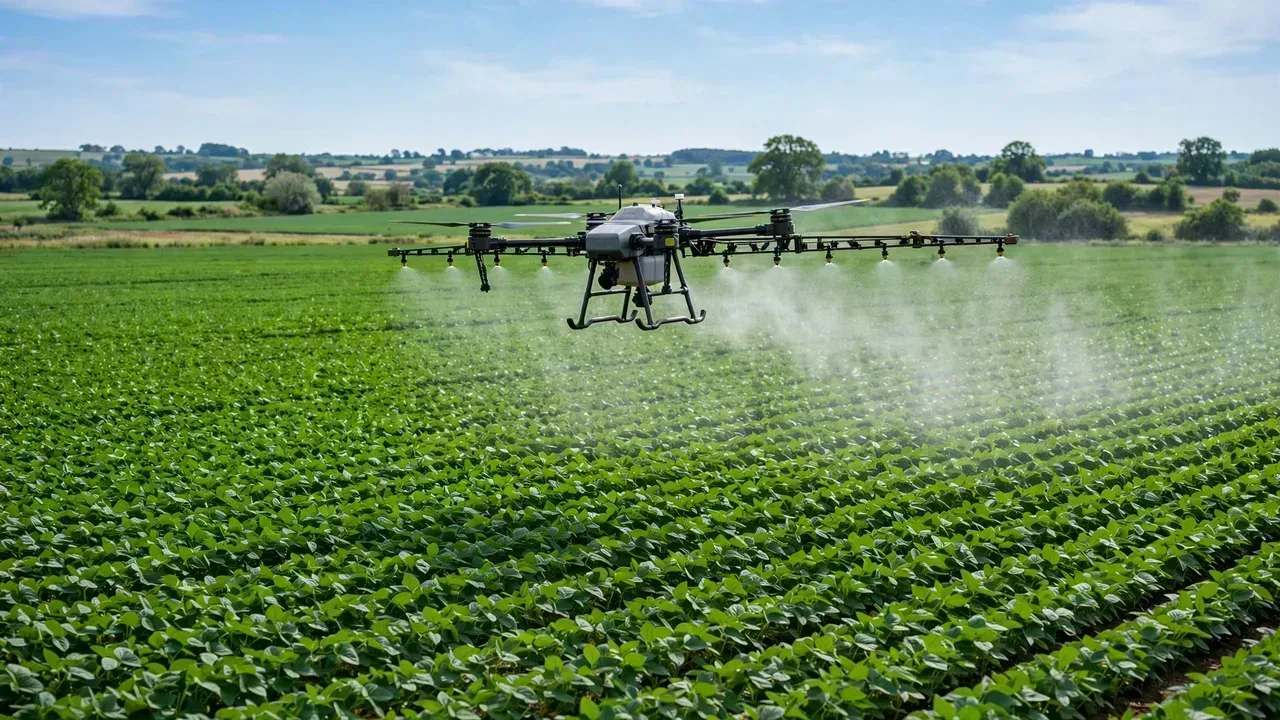
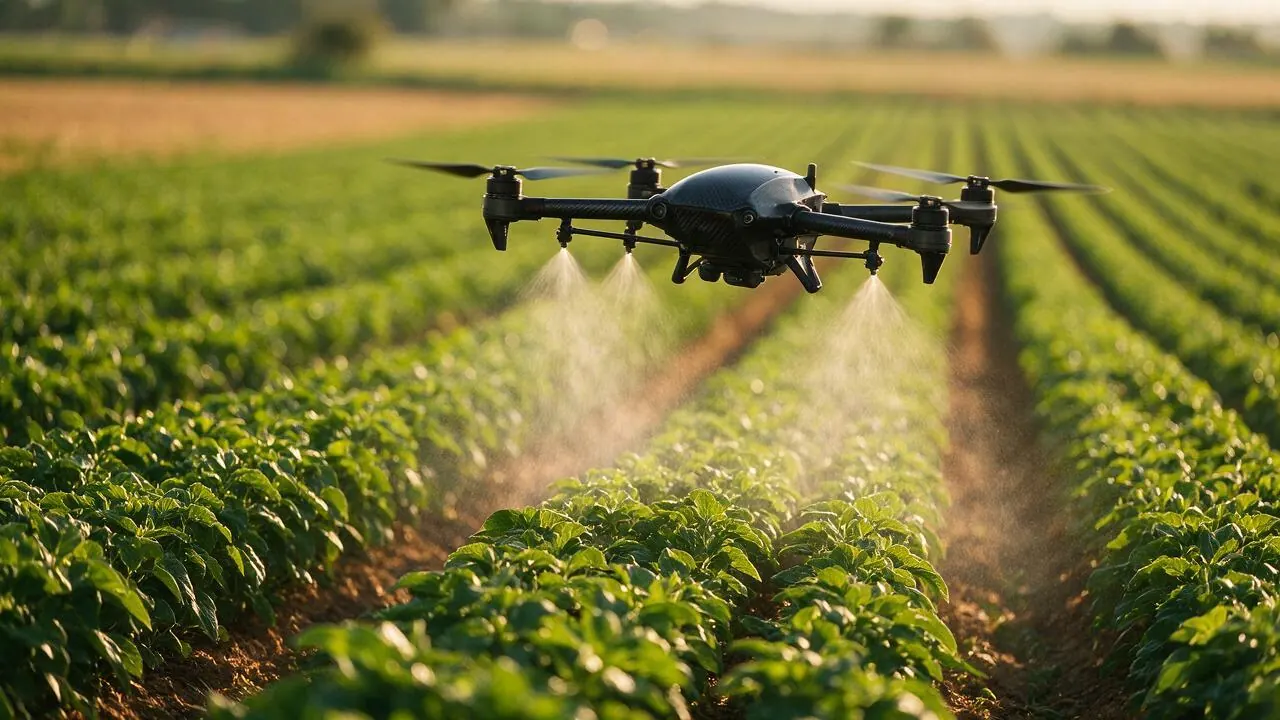
Agricultural drones equipped with multispectral and thermal cameras provide detailed aerial imagery of crops. These images can reveal stress patterns, pest infestations, nutrient deficiencies, and irrigation problems that may not be visible from the ground. Regular drone flights allow farmers to monitor crop health throughout the growing season and respond quickly to emerging issues.
Variable Rate Application: Fertilizer and Seeding
Precision agriculture offers numerous benefits for farmers of all sizes. One of the most significant advantages is reduced input costs. By applying fertilizers, pesticides, and water only where and when they are needed, farmers can significantly reduce their expenses while maintaining or improving yields.
Environmental benefits are also substantial. Precision application of agrochemicals reduces runoff into waterways, minimizes soil contamination, and lowers the overall environmental footprint of farming operations. More efficient water use through precision irrigation helps conserve this precious resource, particularly in arid regions.
Improved yields and crop quality are common outcomes of precision farming. By ensuring that each plant receives the optimal amount of nutrients, water, and protection, farmers can maximize the genetic potential of their crops. Detailed record-keeping enabled by precision agriculture systems also helps farmers make better long-term decisions based on historical data.
Soil Sensors and Remote Scouting
For farmers interested in adopting precision agriculture, it is advisable to start small and scale up gradually. A good first step is often soil sampling and mapping, which provides valuable information about field variability without requiring large investments in equipment. Many farmers begin with grid soil sampling every 2-4 acres to create nutrient maps.
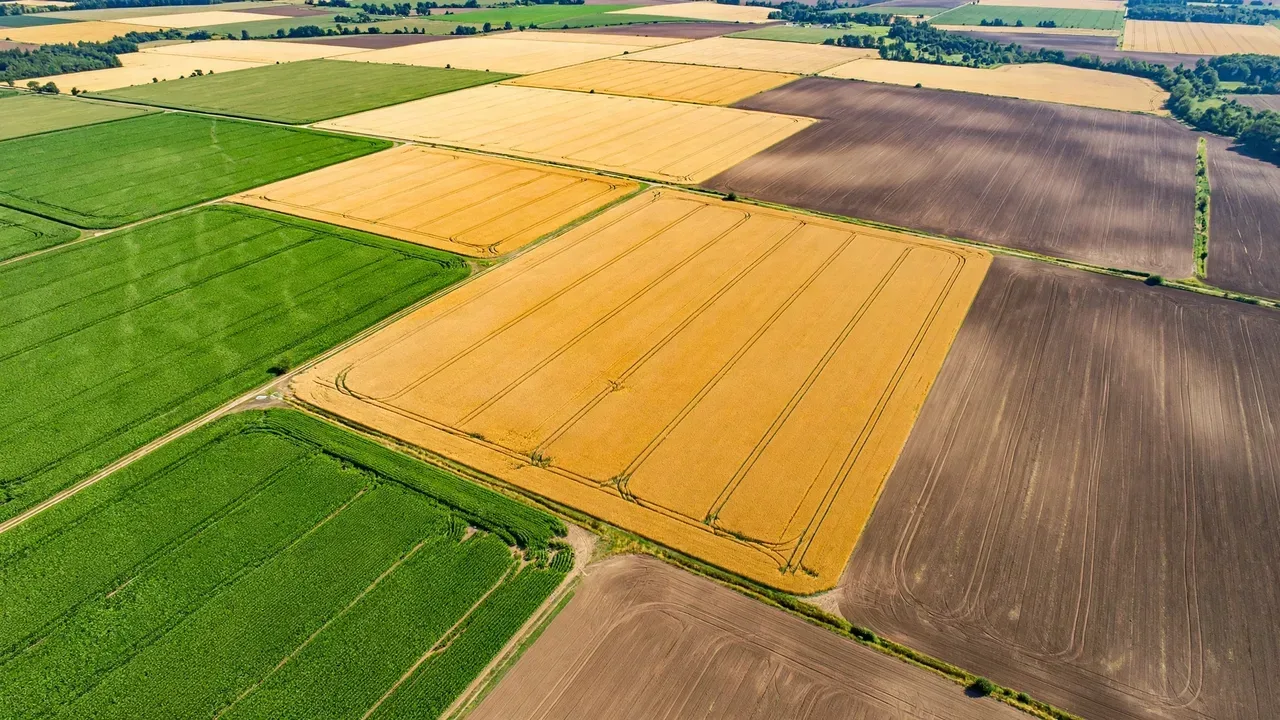
Yield monitoring is another entry-level precision agriculture practice. Yield monitors installed on combines record yield data as crops are harvested, creating yield maps that reveal productive and less productive areas of the field. Comparing yield maps with soil maps helps identify correlations and guide management decisions.
As farmers become more comfortable with precision agriculture concepts and see tangible benefits, they can invest in more advanced technologies like auto-steer systems, variable rate application equipment, and drone imaging. Many agricultural retailers and consultants offer precision agriculture services, allowing farmers to access these technologies without purchasing all the equipment themselves.
Implementing Precision Ag on a Budget
Despite its many benefits, precision agriculture also presents challenges. The initial cost of equipment and technology can be significant, particularly for small-scale farmers. However, many precision agriculture practices can be implemented with modest investments, and the cost savings from reduced inputs often provide a reasonable return on investment.
Data management is another challenge. Precision agriculture systems generate large amounts of data, and effectively managing, analyzing, and applying this data requires both technical skills and appropriate software. Farmers should consider what data they truly need and how they will use it before investing in complex monitoring systems.
Technical support and training are essential for successful implementation. Farmers should ensure that they have access to reliable technical support for their precision agriculture equipment and that they or their staff receive adequate training to use the technology effectively.
Practical Case Study: Real-World Application
Consider a 50-hectare mixed farm in the Midwest United States implementing precision agriculture guide: gps, variable rate, and yield mapping. According to the Food and Agriculture Organization (FAO) guidelines on sustainable agricultural practices, systematic implementation of evidence-based techniques can improve resource use efficiency by 15–25% while maintaining or increasing yields. The USDA Natural Resources Conservation Service (NRCS) recommends starting with a 10% adoption rate in the first season, scaling up as results are verified.
In practice, this means conducting a baseline assessment during the off-season, identifying the top two priority areas for improvement, and allocating a small trial area (2–5% of total acreage) to test new practices before full-scale implementation. Documenting inputs, costs, and outcomes on the trial plot provides actionable data for future decisions.
Data Reference: Key Benchmarks
| Metric | Typical Range | Source |
|---|---|---|
| Resource efficiency gain | 15–25% | FAO 2024 |
| Initial trial area | 2–5% of acreage | USDA NRCS |
| Payback period | 1–3 growing seasons | Extension research |
| Risk reduction | 20–40% | FAO 2024 |
Sources: Food and Agriculture Organization of the United Nations (FAO), "Sustainable Crop Production Intensification," 2024; USDA Natural Resources Conservation Service, "Conservation Practice Standards," 2024.
Expert Recommendations and Next Steps
Extension specialists from leading agricultural universities consistently recommend a phased approach: (1) Conduct a thorough baseline assessment, (2) prioritize high-impact, low-risk changes, (3) implement on a small trial area, (4) measure results rigorously, and (5) scale based on data. This iterative approach minimizes risk while building practical knowledge specific to your farm's unique conditions.
We recommend consulting your local agricultural extension office for region-specific recommendations, as optimal practices vary significantly by climate zone, soil type, and cropping system. Many extension services offer free soil testing, on-farm consultations, and educational workshops.
Conclusion
Precision agriculture is no longer just for large operations — affordable GPS receivers, soil sensors, and drone platforms make it accessible to small and medium farms. Start with yield mapping, add variable rate fertilizer, and layer in soil sensors as budget allows.
Use our yield calculator to process harvest data, a soil moisture monitor for irrigation decisions, and a fertilizer calculator for variable rate nutrient planning.
Frequently Asked Questions
What is precision agriculture and how does it work?
Precision agriculture uses GPS, sensors, and data analytics to apply inputs (fertilizer, water, seed) at variable rates across a field. It relies on soil maps, yield monitors, and satellite imagery to identify management zones. A typical setup includes a GPS-guided tractor, variable rate controller, and soil sampling grid.
How much does precision agriculture equipment cost?
Entry-level GPS guidance costs $2,000-5,000 (used). A full variable rate fertilization system with controller and software runs $8,000-20,000. Soil sensors are $200-500 each. For a 200-hectare farm, ROI typically comes in 2-4 years through input savings of 8-15%.
Can small farms benefit from precision agriculture?
Yes. Even 10-50 hectare farms can use low-cost tools: smartphone GPS apps ($0-50/year), grid soil sampling ($5-15/ha), and basic variable rate via prescription maps. A split nitrogen application calculator helps create zone-based N prescriptions without expensive equipment.
What data do I need to start variable rate fertilization?
You need: (1) soil test maps by zone, (2) yield history (2-3 years), (3) crop removal rates, and (4) a fertilizer recommendation model. An NPK fertilizer calculator per hectare converts soil test results into variable rate prescriptions. Start with 3-5 management zones rather than grid-level precision.
Related Calculators
Calculate and optimize with these free tools.
nitrogen rate calculator →NPK fertilizer calculator →