Aquaculture Stocking Density Calculator
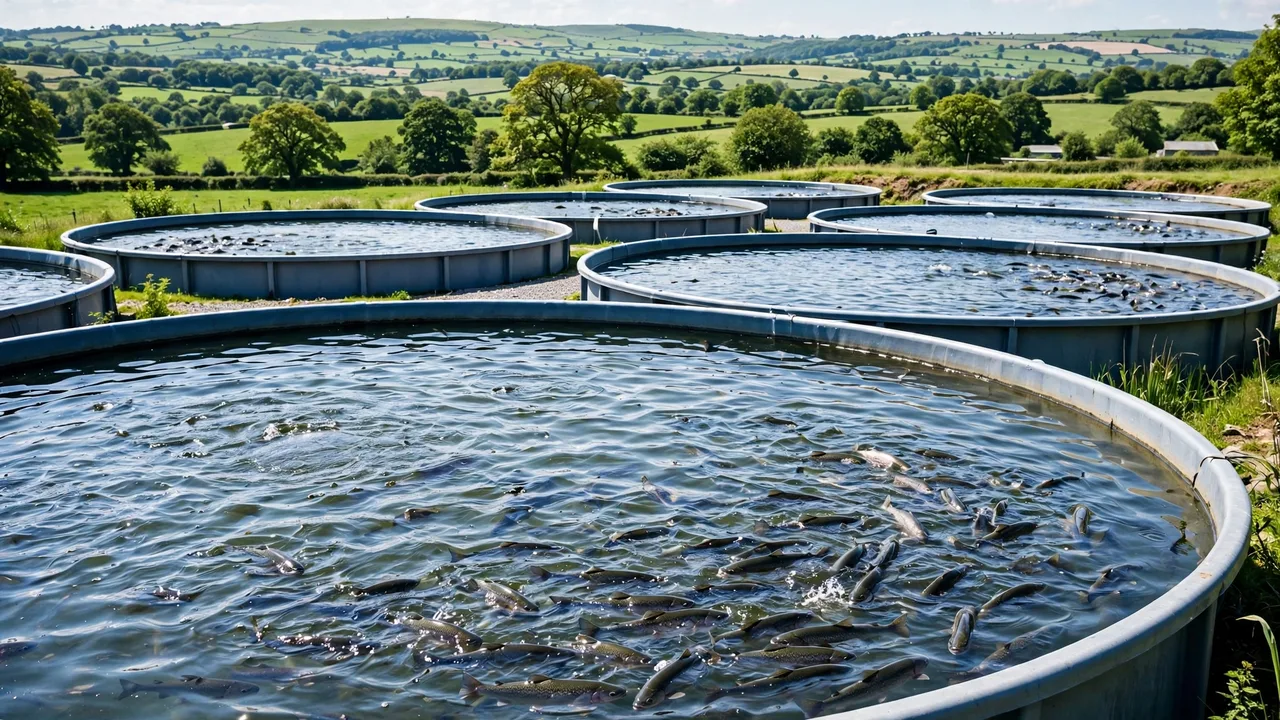
Calculate fish/shrimp stocking density, total seed requirement, and daily feed amount for pond and cage aquaculture.
Results
How to Use This Calculator
Enter the required input values in the form fields above. Each field includes default values you can adjust. Click Calculate to see instant results. Use the Metric/Imperial toggle to switch unit systems. Results are displayed in the results panel for farm planning.
About This Tool
The Aquaculture Stocking helps farmers, agronomists, and agricultural students make quick, accurate calculations for farm management. This tool uses standard agricultural formulas based on extension service recommendations and scientific literature.
Applicability: This calculator is designed for global livestock operations, with particular relevance for North American and European cattle, pig, and poultry farms.
How the Calculation Works
This calculator uses established agricultural formulas to compute results from your input values. The methodology follows standard practices recommended by agricultural extension services and research institutions. All formulas are transparent and verifiable against published literature. The calculator accounts for standard efficiency factors and loss rates where applicable.
Real-World Example
A farmer uses this calculator to plan aquaculture stocking for their operation. By entering specific field data, they receive instant calculations that support informed management decisions. The results allow comparing scenarios, optimizing inputs, and estimating outcomes before committing resources.
Common Mistakes & Tips
Common mistakes include using incorrect units (always verify metric vs imperial), entering estimated rather than measured data, ignoring local conditions and extension recommendations, and over-interpreting results. For best results: use accurate measured inputs, understand formula assumptions, verify results against experience, consult local experts for critical decisions, and use scenario analysis.
Reviewed by Agricalc Editorial Team — Agricultural engineers and agronomists with 10+ years of field experience. Our team verifies every calculator formula against peer-reviewed extension publications. For site-specific advice, consult your local agronomist.
References
Frequently Asked Questions
What is the recommended stocking density for Aquaculture Stocking?
Stocking density depends on species, system type, and aeration: static ponds with aeration — tilapia 3-5 fish/m³, catfish 1-2 fish/m³, trout 5-10 kg/m³; without aeration reduce by 50-70%; recirculating aquaculture systems (RAS) — 20-50 kg/m³ with excellent water quality management; cage culture — 10-30 kg/m³. Start conservative and increase as you gain experience. Overstocking causes: reduced growth, increased disease, poor water quality (low oxygen, high ammonia), higher mortality. Always base density on carrying capacity = water volume × max biomass density, and monitor water quality daily.
How do I calculate feed requirements for Aquaculture Stocking?
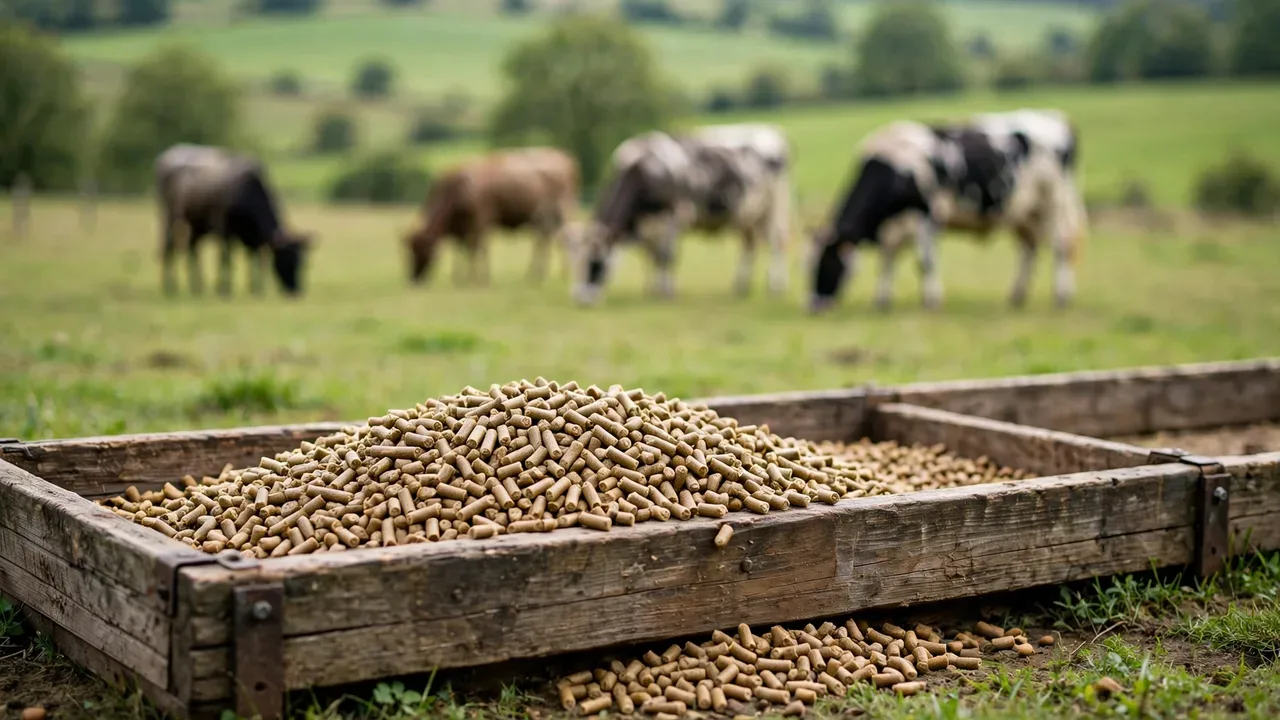
Calculate feed requirements: (1) Estimate biomass = number of fish × average weight, (2) Determine daily feed rate = biomass × feeding rate (1-5% body weight/day for growing fish, 0.5-1% for maintenance), (3) Account for feed conversion ratio (FCR: tilapia 1.5-2.0, catfish 1.8-2.5, trout 1.0-1.5), (4) Total feed for grow-out = total weight gain × FCR. For example: 1,000 tilapia at 50 g = 50 kg biomass, feeding at 3% = 1.5 kg/day. Feed represents 50-70% of aquaculture production costs. Use floating pellets for easy observation, feed at consistent times, and remove uneaten feed to maintain water quality.
What water quality parameters are critical for Aquaculture Stocking?
Critical water quality parameters: dissolved oxygen (minimum 5 mg/L for most species, below 3 mg/L causes stress/death — aerate when <5), temperature (species-specific: tilapia 25-30°C, trout 10-18°C, catfish 25-30°C), pH (6.5-8.5 optimal, below 5.5 or above 9.0 causes stress), ammonia (total ammonia <1 mg/L, unionized ammonia <0.02 mg/L — toxic), nitrite (<0.5 mg/L), alkalinity (50-200 mg/L as CaCO3 for stability). Test daily during critical periods. Poor water quality is the #1 cause of fish kills in aquaculture. Invest in a good test kit and aeration backup system.
How do I prevent disease in Aquaculture Stocking?
Disease prevention in Aquaculture Stocking: biosecurity (source disease-free fingerlings, disinfect equipment, limit visitor access, footbaths), water quality management (the best disease prevention — stress from poor water suppresses immune function), stocking density (avoid overcrowding), nutrition (balanced diet with vitamins/minerals supports immunity), regular health monitoring (observe behavior, appetite, external signs), quarantine new stock for 2-4 weeks, vaccination where available, and prompt treatment when disease appears. Common diseases: bacterial (columnaris, aeromonas), parasitic (ich, anchor worm), fungal (saprolegnia). Early intervention reduces mortality and treatment cost.
What is the economic viability of Aquaculture Stocking?
Aquaculture Stocking economic viability depends on: species choice (tilapia and catfish have established markets and proven technology), system type (ponds are lowest capital cost, RAS has highest production but highest capital/operating costs), scale (larger operations benefit from economies of scale — minimum 5,000-10,000 fish/year for profitability), market access (direct sales to restaurants/retail get $3-6/kg vs $1.5-2.5/kg wholesale), and production efficiency (FCR, survival rate, growth rate). Typical investment: pond system $10,000-50,000, RAS $50,000-500,000+. Payback period 3-7 years with good management. Start small, learn the biology, then scale.