Beekeeping & Honey Yield Calculator
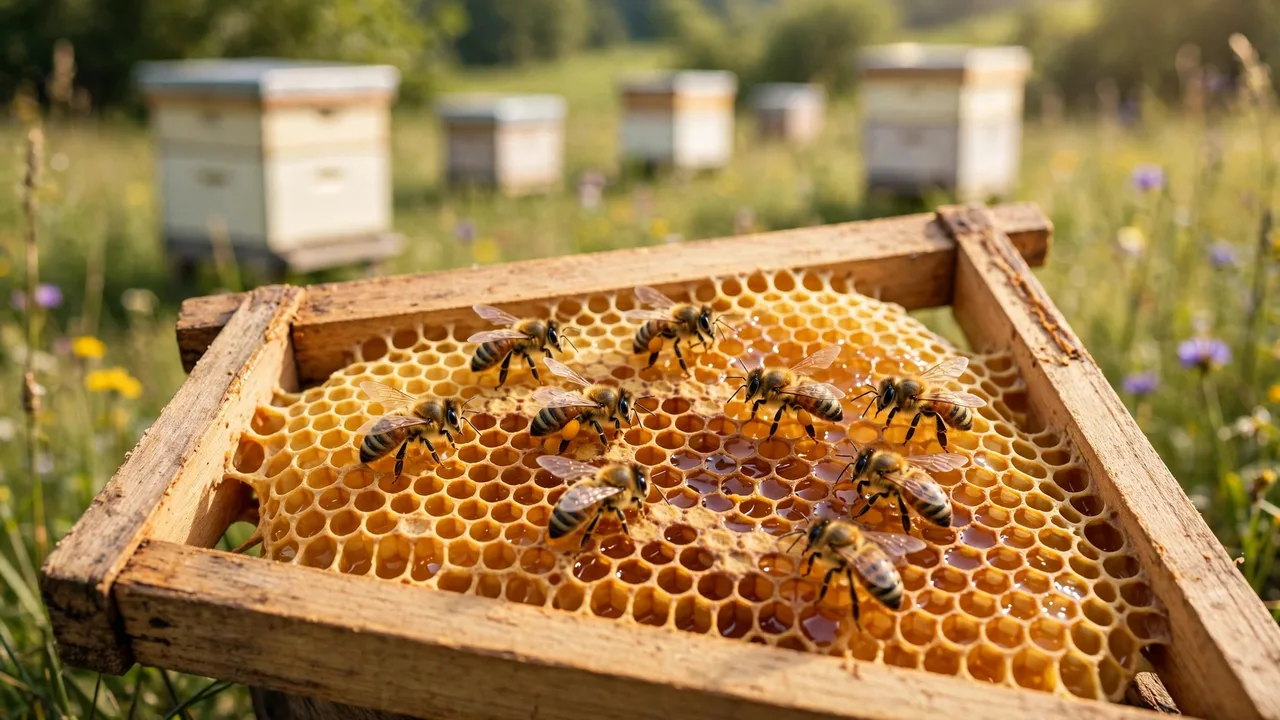
Estimate honey production, colony growth, and revenue for beekeeping operations.
Results
How to Use This Calculator
Enter the required input values in the form fields above. Each field includes default values you can adjust. Click Calculate to see instant results. Use the Metric/Imperial toggle to switch unit systems. Results are displayed in the results panel for farm planning.
About This Tool
The Beekeeping Honey helps farmers, agronomists, and agricultural students make quick, accurate calculations for farm management. This tool uses standard agricultural formulas based on extension service recommendations and scientific literature.
Applicability: This calculator is designed for global livestock operations, with particular relevance for North American and European cattle, pig, and poultry farms.
How the Calculation Works
This calculator uses established agricultural formulas to compute results from your input values. The methodology follows standard practices recommended by agricultural extension services and research institutions. All formulas are transparent and verifiable against published literature. The calculator accounts for standard efficiency factors and loss rates where applicable.
Real-World Example
A farmer uses this calculator to plan beekeeping honey for their operation. By entering specific field data, they receive instant calculations that support informed management decisions. The results allow comparing scenarios, optimizing inputs, and estimating outcomes before committing resources.
Common Mistakes & Tips
Common mistakes include using incorrect units (always verify metric vs imperial), entering estimated rather than measured data, ignoring local conditions and extension recommendations, and over-interpreting results. For best results: use accurate measured inputs, understand formula assumptions, verify results against experience, consult local experts for critical decisions, and use scenario analysis.
Reviewed by Agricalc Editorial Team — Agricultural engineers and agronomists with 10+ years of field experience. Our team verifies every calculator formula against peer-reviewed extension publications. For site-specific advice, consult your local agronomist.
References
- USDA — Bee and Pollinator Health
- FAO — Beekeeping for Sustainable Development
- University of Minnesota Extension — Beekeeping
Frequently Asked Questions
How much honey can I expect from Beekeeping Honey?
Honey yield per hive varies dramatically: average 20-40 kg/year in temperate climates, 10-20 kg in first year (new colony), 40-80 kg in excellent forage years with strong colonies. Factors: colony strength (more bees = more foragers), forage availability (nectar flows from clover, acacia, citrus, wildflowers), weather (rain and cold reduce foraging), hive location (within 3-5 km of good forage), and management (swarm prevention, disease control, proper hive ventilation). A 10-hive apiary with average production yields 200-400 kg/year. Record yields per hive to identify your best queens and locations.
What equipment do I need to start Beekeeping Honey?
Essential Beekeeping Honey equipment per hive: hive body/brood box (Langstroth standard 10-frame), frames with foundation (10-20 per hive), supers for honey collection (2-4 per hive), inner and outer covers, bottom board. Personal equipment: bee suit/veil, gloves, smoker, hive tool, bee brush. Additional: honey extractor (shared or purchased after first harvest), uncapping knife, honey buckets with strainers, feeders for supplemental feeding. Startup cost for 5 hives: $800-1,500 (equipment + bees). Join a local beekeeping club for mentorship and bulk purchasing. Start with 2-5 hives to learn before scaling.
How do I manage pests and diseases in Beekeeping Honey?
Major Beekeeping Honey threats: Varroa destructor mite (the #1 problem — monitor monthly with sugar roll or alcohol wash, treat when >2-3 mites per 100 bees; integrated treatments: formic acid, oxalic acid, thymol, mite-resistant stock), Nosema (fungal disease — treat with fumagillin, improve hive ventilation), American Foulbrood (bacterial, highly contagious — report to authorities, infected hives must be burned), small hive beetle (use traps, keep hives strong), wax moths (freeze frames, maintain strong colonies). Integrated Pest Management: monitor thresholds, rotate treatments, use resistant bees, maintain strong colonies. Never treat honey supers with chemicals — only treat brood chambers.
What is the best location for Beekeeping Honey hives?
Optimal Beekeeping Honey location: within 3-5 km of abundant forage (flowering crops, meadows, forests), morning sun (bees start foraging earlier), afternoon shade (prevents overheating in summer), windbreak (natural or man-made), level well-drained ground, clean water source within 500 m, away from high-traffic areas and livestock (reduces conflict), accessible by vehicle for management and honey extraction. Urban/suburban locations often produce more honey than rural areas due to diverse gardens and less pesticide use. Check local ordinances — some areas restrict hive numbers or require setbacks from property lines.
Is Beekeeping Honey profitable and what are the costs?
Beekeeping Honey profitability: revenue per hive — honey $100-300/year (at $5-10/kg), plus pollination services $50-150/hive, nucleus colony sales $100-200 each, beeswax products. Costs per hive annually: bees/queen replacement $30-50, feed $10-20, treatments $15-30, equipment maintenance $10-20. Net profit per hive: $50-200/year after first year (when equipment is paid off). 50 hives can generate $2,500-10,000/year part-time. Break-even on equipment: 1-2 years. Additional revenue streams: hive rental for pollination, selling nucs and queens, beeswax candles/cosmetics, educational tours. Success requires consistent management and learning from experienced beekeepers.