Soil Amendment Rate Calculator
Calculate precise application rates for soil amendments based on your soil test results and target values. Supports elemental sulfur for lowering pH, gypsum for sodic soil reclamation, and organic matter (compost) for building soil health.
Results
Formula & How It Works
Elemental Sulfur (lb/acre) = pH Difference × Texture Coefficient
Texture coefficients (lb S per acre per pH point): Sandy = 300, Loam = 500, Clay = 800. Heavier soils buffer pH more strongly, requiring more sulfur. Elemental sulfur is oxidized by soil bacteria to sulfuric acid over 2-6 months.
Gypsum (tons/acre) = Sodium Difference × 1.5
Gypsum (CaSO₄·2H₂O) displaces exchangeable sodium with calcium, improving structure in sodic soils. The 1.5 factor accounts for purity and reaction efficiency.
Organic Matter (tons/acre) = OM Difference × 10
Only ~10-20% of applied organic matter persists long-term; the factor of 10 estimates the compost needed to raise soil OM by one percentage point in the top 6 inches.
Calculation Example
Sulfur: Loam soil, current pH 7.5, target 6.5 (1.0 point drop): Rate = 1.0 × 500 = 500 lb/acre. For 10 acres: 5,000 lb (2.5 tons). At $50/ton: $125.
Organic Matter: Current OM 2%, target 4% (2 points): Rate = 2 × 10 = 20 tons/acre. For 10 acres: 200 tons. At $50/ton: $10,000.
How to Use This Calculator
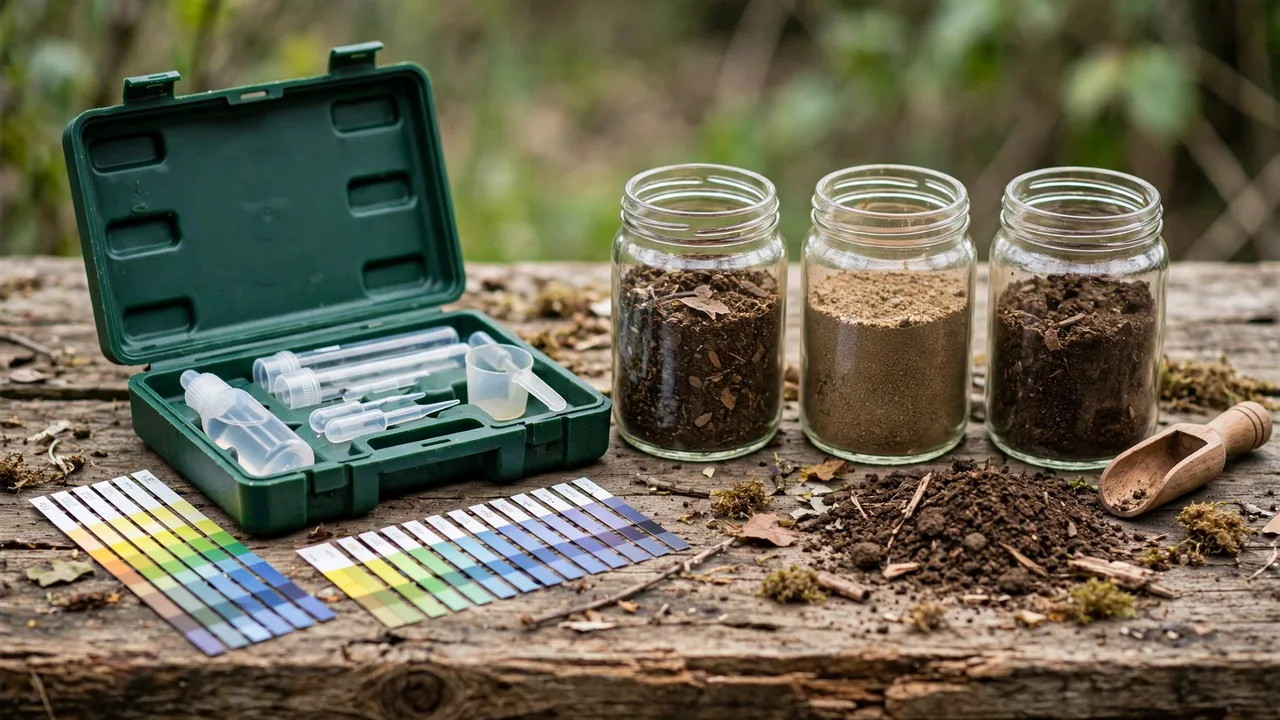
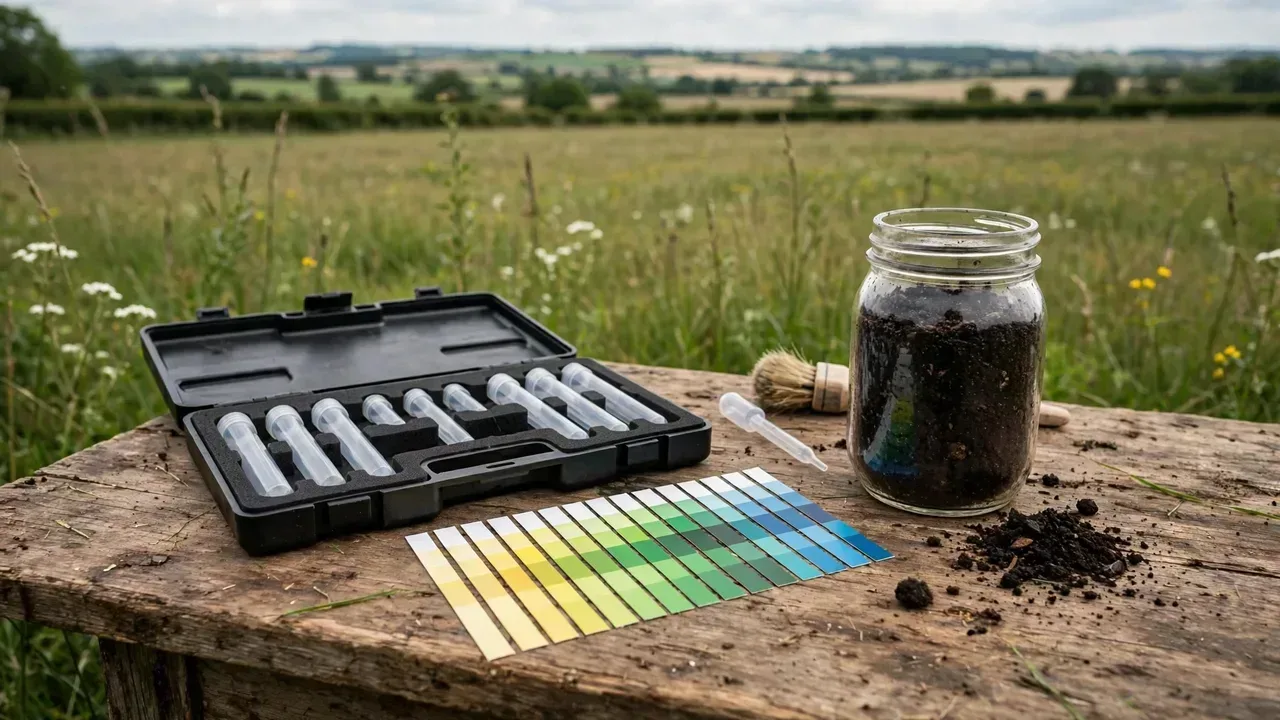
1. Get a soil test with pH, organic matter %, and/or exchangeable sodium. 2. Select the amendment type matching your goal: sulfur for high pH, gypsum for sodic soils, organic matter for low OM. 3. Enter current and target values. 4. Select soil texture (critical for sulfur accuracy). 5. Enter area and material price. Click Calculate.
About This Tool
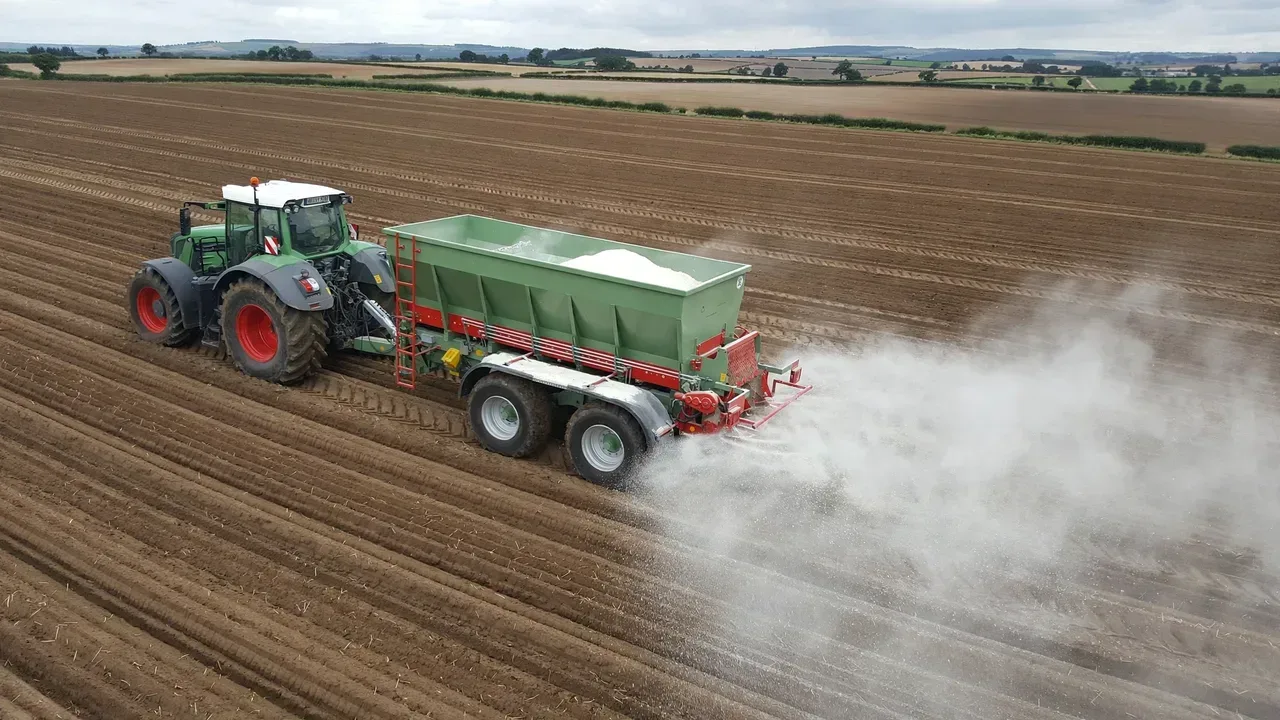
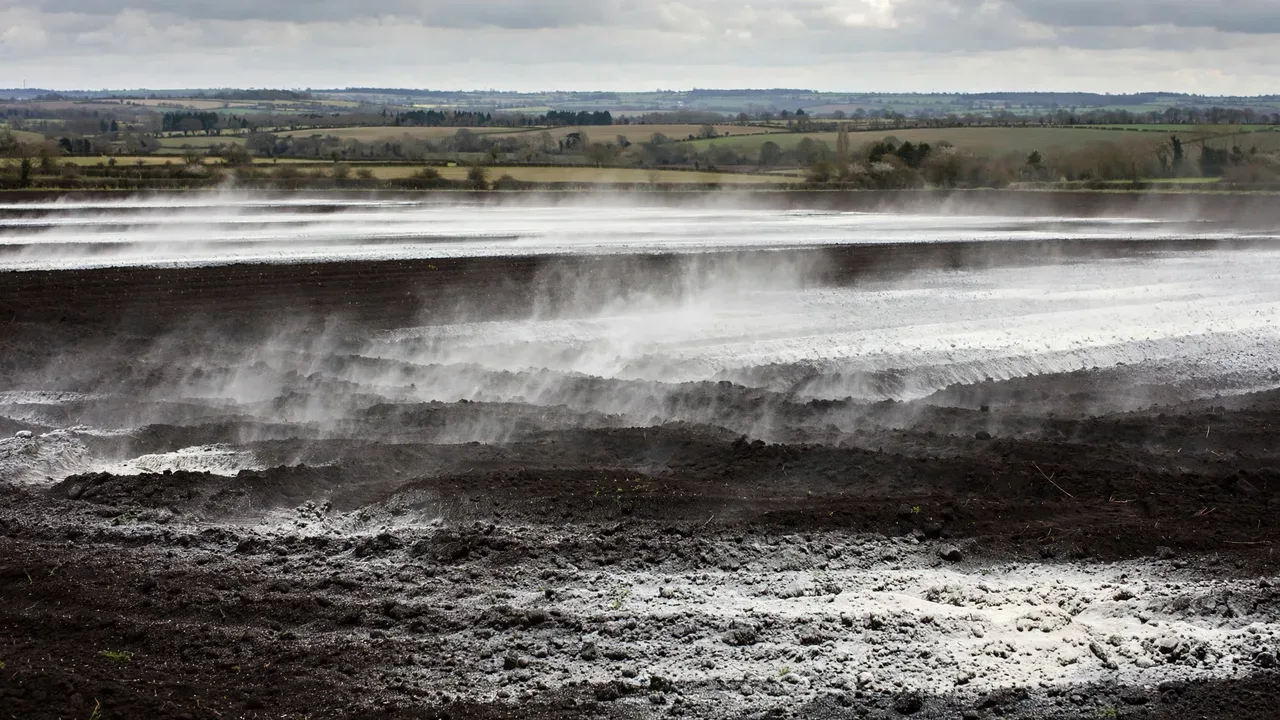
Soil amendments modify soil properties to improve crop growth. Elemental sulfur lowers pH in alkaline/calcareous soils, unlocking micronutrients like iron and zinc. Gypsum improves infiltration and reduces crusting in sodic and heavy clay soils without changing pH. Organic matter improves water-holding capacity, cation exchange capacity, and microbial activity. Always incorporate amendments into the root zone for best results.
Applicability: Designed for temperate and subtropical soils, applicable to farming systems across North America and Europe.
References & Sources:
- Source: USDA NRCS, Soil Health and Nutrient Management Guide, National Agronomy Manual, 2024.
- Reference: University of Minnesota Extension, Soil Fertility and Nutrient Management, 2024.
- Reference: ASABE Standard S394.1, Soil Testing and Fertilizer Recommendations.
Reviewed by Agricalc Editorial Team — Agricultural engineers and agronomists with 10+ years of field experience. Our team verifies every calculator formula against peer-reviewed extension publications. For site-specific advice, consult your local agronomist.
Common Mistakes & Tips
Common mistakes: Applying sulfur without retesting — over-application can overshoot pH targets and take months to reverse. Using gypsum to lower pH — gypsum does NOT change soil pH, it only improves structure. Expecting rapid OM increase — building soil organic matter takes years, not one application. Ignoring incorporation — surface-applied amendments move very slowly into the soil profile.
References & Sources
- FAO (Food and Agriculture Organization) — Agricultural production and nutrition guidelines
- USDA NRCS — Field Office Technical Guide and conservation practice standards
- Land-Grant University Cooperative Extension System — crop and livestock recommendations
- USDA NRCS — Soils
- FAO — Soils Portal