Soil Health Indicators: How to Assess and Improve Soil Quality

Introduction
Soil health indicators measure the capacity of soil to function as a living ecosystem that sustains plants, animals, and humans. Unlike simple nutrient testing, a soil health assessment evaluates physical structure (aggregation, infiltration), chemical properties (pH, cation exchange capacity), and biological activity (microbial biomass, earthworm populations) to give a complete picture.
This guide explains the key indicators in each category, how to test them using both lab and on-farm methods, and how to interpret results. We also cover practical steps to improve soil health — cover cropping, reduced tillage, compost application — and how to track progress over time.
Physical Soil Health Indicators
Soil organic matter (SOM) is perhaps the most important indicator of soil health. It consists of plant and animal residues at various stages of decomposition, cells and tissues of soil organisms, and substances synthesized by soil organisms. SOM improves soil structure, water-holding capacity, and nutrient availability.
Most agricultural soils should aim for 3-5% organic matter, though ideal levels vary by climate and soil type. Practices that increase organic matter include adding compost or manure, planting cover crops, reducing tillage, and returning crop residues to the soil. Increasing organic matter by just 1% can significantly improve soil productivity and resilience.
Chemical Soil Health Indicators
Soil pH measures the acidity or alkalinity of soil on a scale of 0-14. Most crops prefer a slightly acidic to neutral pH range of 6.0-7.0. pH affects nutrient availability—at extreme pH levels, essential nutrients like phosphorus, iron, and zinc become less available to plants.
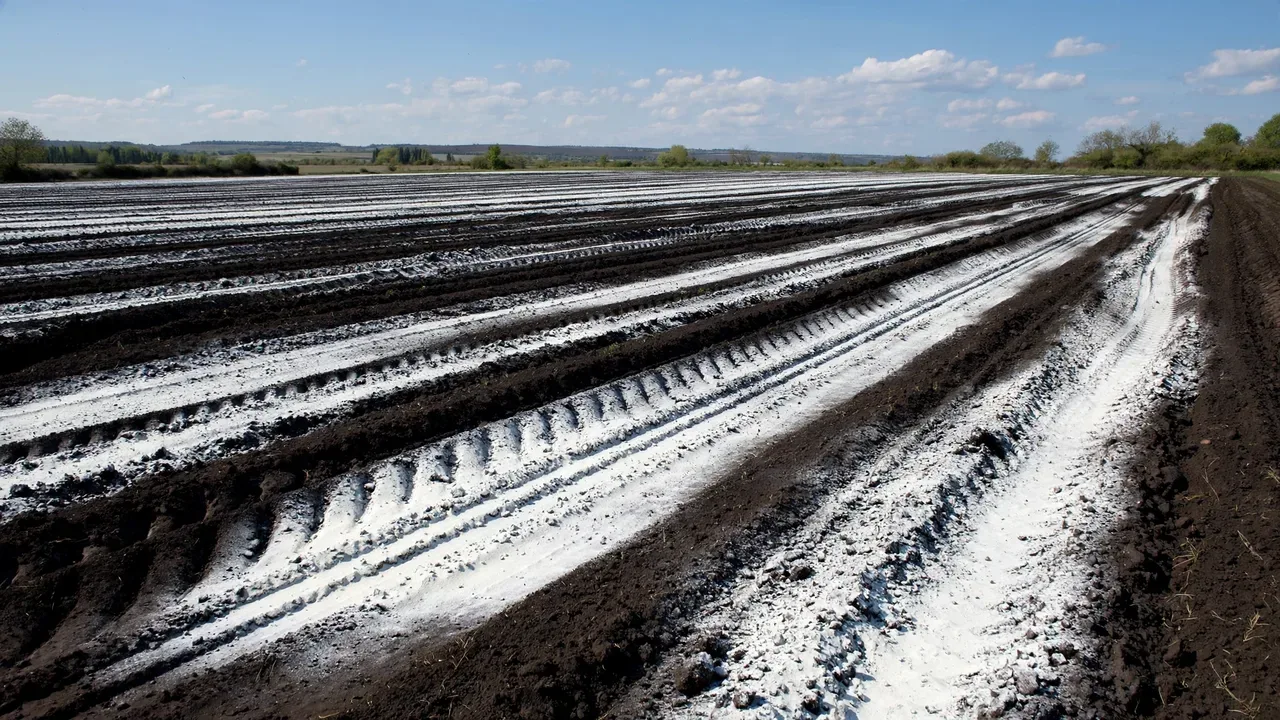
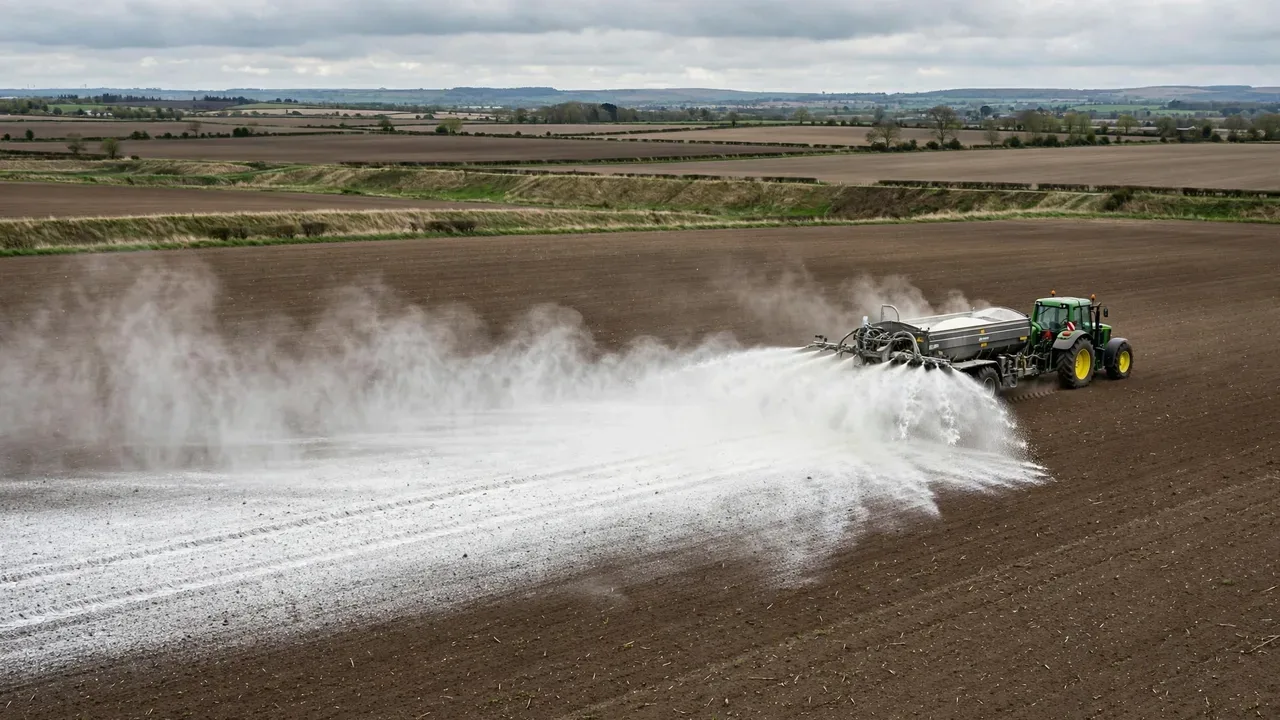
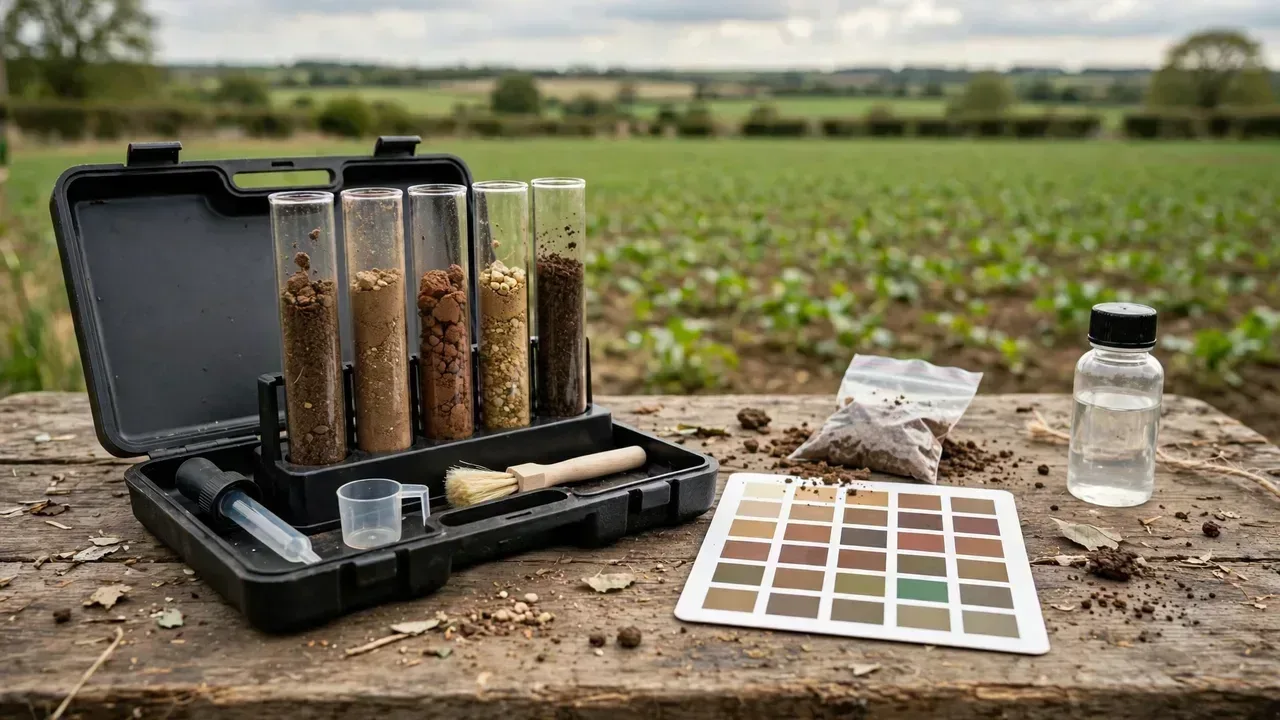
Regular soil testing every 2-3 years helps track pH changes and guide liming or acidification decisions. When pH is too low (acidic), agricultural lime is commonly applied to raise pH. When pH is too high (alkaline), elemental sulfur or acidifying fertilizers can help lower pH. Always follow soil test recommendations rather than guessing application rates.
How to Test and Interpret Soil Health
Good soil structure refers to the arrangement of soil particles into aggregates or crumbs. Well-aggregated soil has good porosity, allowing water infiltration and root penetration. Signs of poor structure include crusting, compaction, and poor drainage.
Soil compaction occurs when soil particles are pressed together, reducing pore space. Compacted soil restricts root growth, impairs water infiltration, and increases runoff. Using a penetrometer to measure soil resistance can identify compaction layers. Solutions include subsoiling, controlled traffic systems, and cover crops with deep taproots like forage radish.
Improving Soil Health: Practical Steps
Soil microorganisms including bacteria, fungi, protozoa, and nematodes play crucial roles in nutrient cycling, organic matter decomposition, and disease suppression. Healthy soil contains billions of microorganisms per gram. Indicators of microbial activity include respiration rate, enzyme activity, and the presence of beneficial fungi like mycorrhizae.
Practices that support microbial life include adding organic matter, reducing tillage, and avoiding excessive pesticide use. Crop diversity also promotes microbial diversity. Earthworms are excellent bioindicators of soil health—healthy agricultural soil may contain 10-50 earthworms per square foot. Low earthworm populations can indicate low organic matter, excessive tillage, or poor drainage.
Practical Case Study: Real-World Application
Consider a 50-hectare mixed farm in the Midwest United States implementing soil health indicators: how to assess and improve soil quality. According to the Food and Agriculture Organization (FAO) guidelines on sustainable agricultural practices, systematic implementation of evidence-based techniques can improve resource use efficiency by 15–25% while maintaining or increasing yields. The USDA Natural Resources Conservation Service (NRCS) recommends starting with a 10% adoption rate in the first season, scaling up as results are verified.
In practice, this means conducting a baseline assessment during the off-season, identifying the top two priority areas for improvement, and allocating a small trial area (2–5% of total acreage) to test new practices before full-scale implementation. Documenting inputs, costs, and outcomes on the trial plot provides actionable data for future decisions.
Data Reference: Key Benchmarks
| Metric | Typical Range | Source |
|---|---|---|
| Resource efficiency gain | 15–25% | FAO 2024 |
| Initial trial area | 2–5% of acreage | USDA NRCS |
| Payback period | 1–3 growing seasons | Extension research |
| Risk reduction | 20–40% | FAO 2024 |
Sources: Food and Agriculture Organization of the United Nations (FAO), "Sustainable Crop Production Intensification," 2024; USDA Natural Resources Conservation Service, "Conservation Practice Standards," 2024.
Expert Recommendations and Next Steps
Extension specialists from leading agricultural universities consistently recommend a phased approach: (1) Conduct a thorough baseline assessment, (2) prioritize high-impact, low-risk changes, (3) implement on a small trial area, (4) measure results rigorously, and (5) scale based on data. This iterative approach minimizes risk while building practical knowledge specific to your farm's unique conditions.
We recommend consulting your local agricultural extension office for region-specific recommendations, as optimal practices vary significantly by climate zone, soil type, and cropping system. Many extension services offer free soil testing, on-farm consultations, and educational workshops.
Conclusion
Assessing soil health through physical, chemical, and biological indicators gives you a roadmap for improving long-term productivity and resilience. Test regularly, track trends rather than single measurements, and implement practices that build organic matter and biological activity.
Use our soil pH calculator for chemical assessment, a soil amendment calculator for correction planning, and a compost application calculator to build organic matter.
Frequently Asked Questions
What are the key indicators of healthy soil?
Key soil health indicators include: organic matter (>3% is good), CEC (>15 meq/100g for loams), pH (6.0-7.0 for most crops), bulk density (<1.4 g/cm³), aggregate stability (>50% water-stable), earthworm count (>5 per spade), and infiltration rate (>15 mm/hour). A soil organic matter calculator from loss on ignition quantifies the most important indicator.
How do I measure soil organic matter accurately?
The standard method is loss on ignition: weigh a dry soil sample, burn at 360-550°C for 2-4 hours, reweigh, and calculate % OM = (weight loss / dry weight) × 100. Walkley-Black wet oxidation is an alternative. A soil organic matter calculator converts lab results into actionable targets.
What does CEC tell me about my soil?
Cation Exchange Capacity (CEC) measures the soil's ability to hold and release nutrients (Ca, Mg, K, Na). Sandy soils have CEC 3-10, loams 10-20, clays 20-40, and organic soils 40+. Low CEC means nutrients leach easily and require split applications. A CEC calculator from soil test interprets your results.
How can I improve soil health on my farm?
Practices that improve soil health: reduce tillage (no-till or strip-till), add cover crops year-round, apply compost or manure, rotate crops with deep-rooted species, and maintain living roots. Expect 0.1-0.3% organic matter increase per year with best practices. Track progress with annual soil testing.
Related Calculators
Calculate and optimize with these free tools.
soil organic matter calculator →soil test calculator →