Soil Amendment: A Complete Guide to Healthy Soil
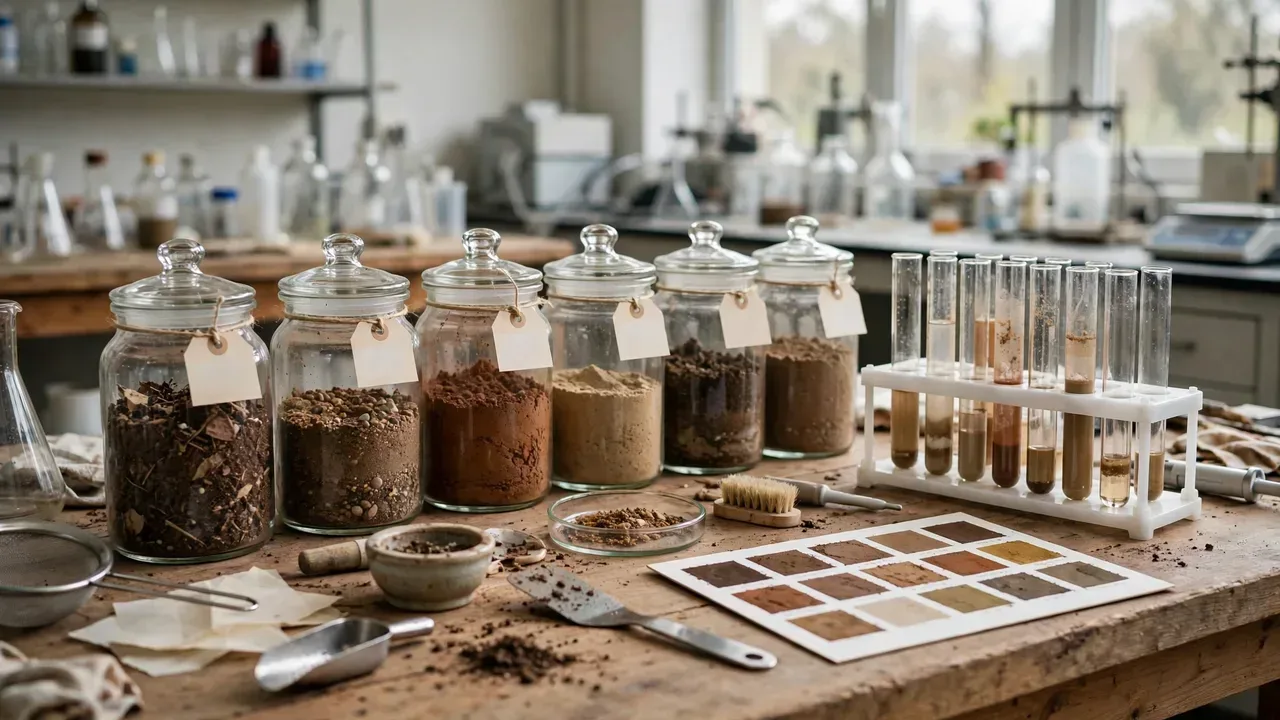
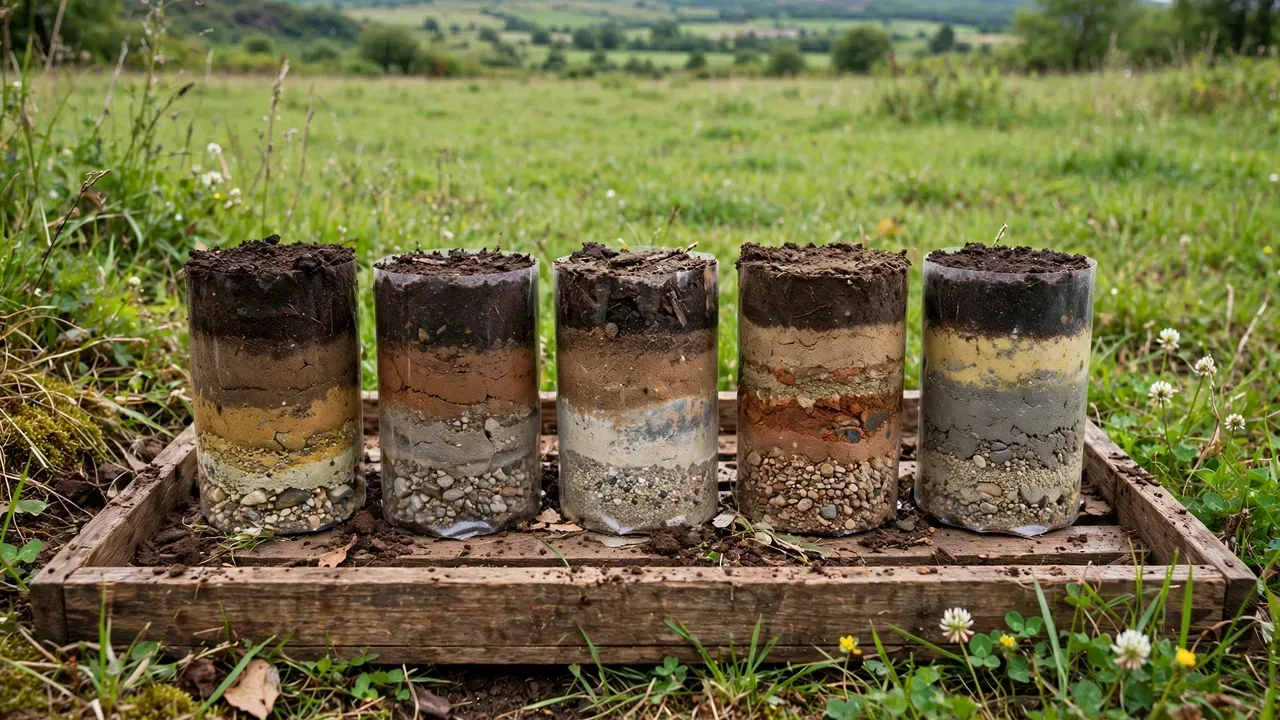
Soil amendment improves soil structure, fertility, water-holding capacity, and biological activity. Healthy soil contains 5% organic matter, 25% air, 25% water, and 45% minerals. Amending degraded soil can increase yields by 20-50%, reduce fertilizer needs by 30-50%, and improve drought resistance. This guide covers soil testing, amendment selection, application methods, and long-term soil building strategies.

Understanding Soil Health
Healthy soil is a living ecosystem. One teaspoon of healthy soil contains over 1 billion microorganisms — bacteria, fungi, protozoa, nematodes, and arthropods. These organisms decompose organic matter, cycle nutrients, improve soil structure, and suppress plant diseases. Soil degradation (loss of organic matter, compaction, erosion, salinization) destroys this ecosystem and reduces productivity.
The Five Soil Health Principles
- Minimize soil disturbance: Tillage destroys soil structure, kills microorganisms, and oxidizes organic matter. Use no-till oreduced-till systems.
- Keep soil covered: Bare soil is vulnerable to erosion, temperature extremes, and organic matter loss. Use cover crops, mulch, or crop residue.
- Maximize biodiversity: Diverse crop rotations and cover crop mixturesupport diverse soil biology. Monocultures degrade soil over time.
- Maintain living roots: Living roots feed soil microorganisms through exudates. Cover crops and perennials keep roots in the soil year-round.
- Integrate livestock: Managed grazing accelerates nutrient cycling and improves soil health. Animal manure is a valuable soil amendment.
Step 1: Test Your Soil
Before amending, test your soil to know what you are working with. A basic soil test ($15-40 per sample) measures:
- pH: 6.0-7.0 ideal for most crops. Low pH = add lime. High pH = add sulfur or acidifying amendments.
- Organic matter: 3-5% ideal for agricultural soils. Below 2% = degraded, needs significant amendment.
- Nutrients: N, P, K, Ca, Mg, S, and micronutrients (Fe, Mn, Zn, Cu, B, Mo).
- CEC (Cation Exchange Capacity): Measures soil's ability to hold nutrients. >15 = good (clay/OM), 5-15 = moderate, <5 = low (sand).
- Base saturation: Percentage of CEC occupied by Ca, Mg, K, Na. Ideal: Ca 60-70%, Mg 10-20%, K 2-5%.
- EC (Electrical Conductivity): Measuresalinity. <1 dS/m = normal, 1-4 = moderate (some crops affected), >4 = saline (many crops affected).
Use our Soil pH Calculator to estimate lime or sulfur needs. Test every 2-3 years to track progress. Take representative samples: 10-15 cores per field, 0-15cm depth, mixed in a clean bucket. Avoid sampling near fertilizer bands, old fence rows, or unusual spots.
Step 2: Choose Amendments by Problem
Low Organic Matter (<2%)
| Amendment | Application Rate | Cost | Notes |
|---|---|---|---|
| Compost | 10-50 t/ha | $20-80/t | Best all-around amendment. Improves structure, fertility, biology. Use well-aged (6+ months) compost. |
| Manure (cattle) | 20-60 t/ha | $10-40/t | High inutrients and OM. Compost or age firsto kill pathogens and weed seeds. Test for nutrient content. |
| Cover crops | Annual planting | $30-80/ha/yr | Adds 2-5 t/ha OM annually. Best long-term strategy. Mix grasses + legumes. |
| Peat moss | 5-20 t/ha | $50-150/t | High water-holding capacity. Acidifying (pH 3.5-4.5). Not sustainable (harvested from bogs). Use sparingly. |
| Biochar | 5-20 t/ha | $100-500/t | Permanent carbon (lasts centuries). Improves CEC and water holding. Best when charged with nutrients/compost before application. |
Low pH (Acidic Soil, <6.0)
- Agricultural lime (CaCO3): Most common. Raises pH, adds calcium. Application rate: 2-10 t/ha depending on pH and buffer capacity. Incorporate 6-12 months before planting for full effect.
- Dolomitic lime (CaMgCO3): Also adds magnesium. Use when soil test shows low Mg. Same application rates as ag lime.
- Wood ash: Fast-acting (soluble). 50-70% as effective as lime. Adds K, Ca, Mg. Apply 1-5 t/ha. Do not overapply — can raise pH too high.
- Basic slag: Byproduct of steel industry. Contains Ca, Mg, P. Slow-release. Good for acidic soils needing P.
High pH (Alkaline Soil, >7.5)
- Elemental sulfur: Most effective. Converted to sulfuric acid by soil bacteria over 2-6 months. Rate: 500-2,000 kg/ha depending on pH and CEC. Apply 3-6 months before planting.
- Aluminum sulfate: Fast-acting (weeks). Adds aluminum (can be toxic at high levels). Rate: 5-15 t/ha. More expensive than sulfur.
- Peat moss / compost: Mildly acidifying. Best combined with sulfur for significant pH reduction.
- Acidifying fertilizers: Ammonium sulfate, urea. Long-term acidifying effect. Use as part ofertility program.
Poor Drainage / Compaction
- Subsoiling / deep ripping: Break up hardpan at 30-60cm depth. Best when soil is dry (not wet — causesmearing). $30-80/ha. Effect lasts 2-5 years.
- Organic matter: Improves aggregation and porosity. Compost + cover crops are best long-term solutions.
- Sand amendment: For heavy clay soils. Apply 5-15 cm of sand incorporate deeply. Must be mixed thoroughly — partial mixing creates concrete-like layers.
- Drainage tile: For poorly drained soils. Perforated plastic pipe 60-100cm deep, 10-30m spacing. $800-2,000/ha. Lasts 20-50 years.
- Raised beds: For vegetables and small areas. Improves drainage and warms soil faster. 15-30cm high, 1-1.5m wide.
Sandy Soil (Low Water/Nutrient Holding)
- Organic matter: Most important. Each 1% OM adds ~20,000 gallons/acre water-holding capacity. Compost, manure, cover crops.
- Biochar: Improves CEC and water holding in sandy soils. 5-20 t/ha. Permanent improvement.
- Clay amendment: Add 5-15% clay by volume. Heavy and expensive. Only for small areas or high-value crops.
- Mulch: Reduces evaporation and temperature extremes. Organic mulch (straw, wood chips) also adds OM as it decomposes.
Saline / Sodic Soil
- Leaching: Apply excess water (15-30cm) to wash salts below root zone. Requires good drainage. Most effective for saline soils.
- Gypsum (CaSO4): For sodic soils (high sodium). Calcium replacesodium on exchange sites. Rate: 5-20 t/ha. Followith leaching to remove displaced sodium.
- Sulfur: For sodic soils with high pH. Converts to sulfuric acid, dissolves calcium carbonate. Rate: 1-5 t/ha. Followith gypsum and leaching.
- Salt-tolerant crops: Barley, cotton, sugar beet, sorghum, certain grasses. Use while improving soil.
Step 3: Apply Amendments Correctly
- Calculate precise rates: Based on soil test results and amendment analysis. Use our calculators for pH adjustments and nutrient needs. Guessing leads tover- or under-application.
- Test amendment quality: Compost and manure vary widely in nutrient content and quality. Test before applying. Look for: C:N ratio <25:1 (stable), no foul odor, no visible weed seeds, temperature cooled (<40°C).
- Incorporate at the right depth: Lime and phosphorus should be incorporated 15-20cm (root zone). Compost can be top-dressed or lightly incorporated. Nitrogen should be shallow (5-10cm) or side-dressed.
- Timing matters: Apply lime 6-12 months before planting (slow reaction). Apply compost in fall or spring before planting. Apply nitrogen when crop needs it (split applications). Avoid applying manure before heavy rain (nutrient runoff).
- Use proper equipment: Lime spreader for uniform application. Manure spreader for solid manure. Compost spreader or spinner. Calibratequipmento ensure correct rate.
- Water after application: Most amendments need moisture to react. Irrigate lightly after applying soluble amendments (fertilizer, sulfur). Avoid waterlogging.
Long-Term Soil Building Strategy
Soil improvement is a marathon, not a sprint. Expect 3-5 years to see significant changes in organic matter and structure. A comprehensive strategy includes:
- Year 1: Soil test, correct pH (lime/sulfur), add compost (20-30 t/ha), plant cover crops after main crop, reduce tillage
- Year 2: Retest soil, add more compost if needed, continue cover crops (mix grasses + legumes), no-till or strip-till, add manure if available
- Year 3: Retest, organic matter should increase 0.3-0.5%, continue cover crops, consider biochar for permanent improvement, integrate livestock if possible
- Years 4-5: Soil structure and biology significantly improved, fertilizer needs reduced 20-40%, yields increased 10-30%, continue maintenance (cover crops, compost every 2-3 years, minimal tillage)
Build your soil health plan: Use our Soil pH Calculator for lime/sulfurates, Organic Fertilizer Calculator for nutrient needs, Fertilizer Calculator for conventional programs, and Soil Test Guide to interpret your results.
Common Soil Amendment Mistakes
- Amending without testing: Guessing at nutrient needs wastes money and can create imbalances. Always test first.
- Overapplying lime: Raising pH above 7.5 locks up micronutrients (Fe, Mn, Zn). Follow soil test recommendations precisely.
- Applying fresh manure: Raw manure can burn plants, spread pathogens, and contain weed seeds. Compost or age for 6+ months.
- Ignoring soil biology: Chemical fertilizers feed plants but not soil life. Combine with organic matter to build long-term soil health.
- Tilling too much: Tillage temporarily fluffsoil but destroystructure and kills microorganisms long-term. Minimize tillage.
- Expecting quick fixes: Soil improvement takes years. Be consistent with cover crops, compost, and reduced tillage.
Frequently Asked Questions
How do I choose the right soil amendment for my soil?
Choose amendments based on soil test results: (1) Low pH (<6.0) + low Ca → Agricultural lime (calcitic or dolomitic); (2) Low pH + low Mg → Dolomitic lime; (3) High pH (>7.5) + need to lower pH → Elemental sulfur (slow) or aluminum sulfate (fast); (4) High sodium (sodic soil, ESP >15%) → Gypsum (calcium sulfate) to displace sodium; (5) Compacted soil, low organic matter → Compost, well-rotted manure, cover crops; (6) Low phosphorus → Rock phosphate, bone meal, or superphosphate; (7) Low potassium → Greensand, wood ash, or sulfate of potash; (8) Low sulfur → Elemental sulfur or gypsum. Always soil test first — applying the wrong amendment can worsen problems. A soil amendment calculator helps match amendment to soil deficiency.
How do I calculate gypsum application rate for sodic soils?
Gypsum (CaSO₄·2H₂O) improves sodic soils by displacing exchangeable sodium with calcium. Rate calculation: Gypsum needed (tons/acre) = (ESP target reduction × CEC × 0.0086) ÷ (Gypsum purity ÷ 100). Or simpler: For each 1% reduction in Exchangeable Sodium Percentage (ESP), apply ~1.5–2 tons/acre of pure gypsum. Example: Soil with ESP 20%, target ESP 5% (15% reduction): 15 × 1.75 = 26 tons/acre (this is a heavy application, may need to be split over 2–3 years). For general soil structure improvement (not sodic): apply 500–2,000 lb/acre (0.25–1 ton/acre) annually. Gypsum also supplies calcium (22% Ca) and sulfur (17% S) without changing pH. A soil amendment calculator uses your CEC and ESP for precise rates.
How do I calculate sulfur application to lower soil pH?
Elemental sulfur oxidizes to sulfuric acid by soil bacteria, lowering pH over 2–6 months. Rate depends on soil texture and target pH change: Sandy soil: 100–200 lb S/acre to lower pH by 1 unit; Loam soil: 300–500 lb S/acre per pH unit; Clay soil: 500–800 lb S/acre per pH unit. Example: Loam soil at pH 7.2, target pH 6.2 (1 unit reduction): 400 lb elemental sulfur/acre. Aluminum sulfate works faster (weeks) but requires 6× more material (2,400 lb/acre for same effect) and adds aluminum. Apply sulfur 3–6 months before planting, incorporate into top 6 inches, and keep soil moist (bacteria need moisture). Retest pH after 6 months — sulfur oxidation is slower in cool, dry soils. A soil pH calculator helps track changes.
What is soil bulk density and how do I measure it?
Soil bulk density is the mass of dry soil per unit volume (g/cm³ or lb/cu ft), indicating compaction and porosity. Ideal bulk densities: Sandy soil: 1.2–1.6 g/cm³; Loam soil: 1.0–1.4 g/cm³; Clay soil: 0.8–1.2 g/cm³; Soils with >5% organic matter: 0.7–1.0 g/cm³. Bulk density above 1.6 g/cm³ (loam) indicates compaction that restricts root growth. Measurement method: (1) Drive a core sampler of known volume into undisturbed soil; (2) Extract the core, dry at 220°F until constant weight; (3) Weigh dry soil; (4) Bulk density = Dry weight (g) ÷ Core volume (cm³). A soil bulk density calculator converts core measurements and helps track improvements from cover crops, reduced tillage, and compost additions. Improving bulk density by 0.1 g/cm³ can increase water infiltration by 15–20%.
How do I calculate compost application rate for soil improvement?
Compost application rate depends on goal: (1) General soil building: 5–10 tons/acre every 2–3 years; (2) Vegetable garden/high-value crops: 10–20 tons/acre annually; (3) Lawn establishment: 1–2 cubic yards per 1,000 sq ft (≈20–40 tons/acre); (4) Compaction remediation: 10–15 tons/acre incorporated 6–8 inches deep; (5) Nutrient source: calculate based on compost N content — Available N (lb/ton) = Compost N% × 20 × 0.20 (year-1 availability). Example: Compost at 2% N provides 8 lb available N/ton. To supply 80 lb N/acre: 80 ÷ 8 = 10 tons/acre. Always test compost for nutrient content, salinity (EC <4 dS/m ideal), and maturity (stable, earthy smell, no ammonia). A compost nutrient calculator determines precise rates from your compost analysis.
Can I apply multiple soil amendments at the same time?
Some amendments can be combined, but others interact negatively: (1) Lime + compost: YES — apply together, both improve soil; (2) Lime + gypsum: YES — lime raises pH, gypsum improves structure/sodium; (3) Lime + elemental sulfur: NO — they cancel each other (lime raises pH, sulfur lowers it); (4) Gypsum + phosphorus fertilizer: CAUTION — excess calcium can bind phosphorus, reducing availability; (5) Compost + synthetic fertilizer: YES — compost improves fertilizer use efficiency; (6) Wood ash + lime: CAUTION — both raise pH, don't over-apply; (7) Sulfur + compost: YES — sulfur helps break down compost and lower pH. General rule: apply amendments based on soil test, don't apply something just because it is 'good for soil.' Over-application of any amendment can cause imbalances. A soil amendment calculator helps plan a coordinated amendment program.