Soil pH Management: How to Test and Adjust Soil Acidity
Introduction
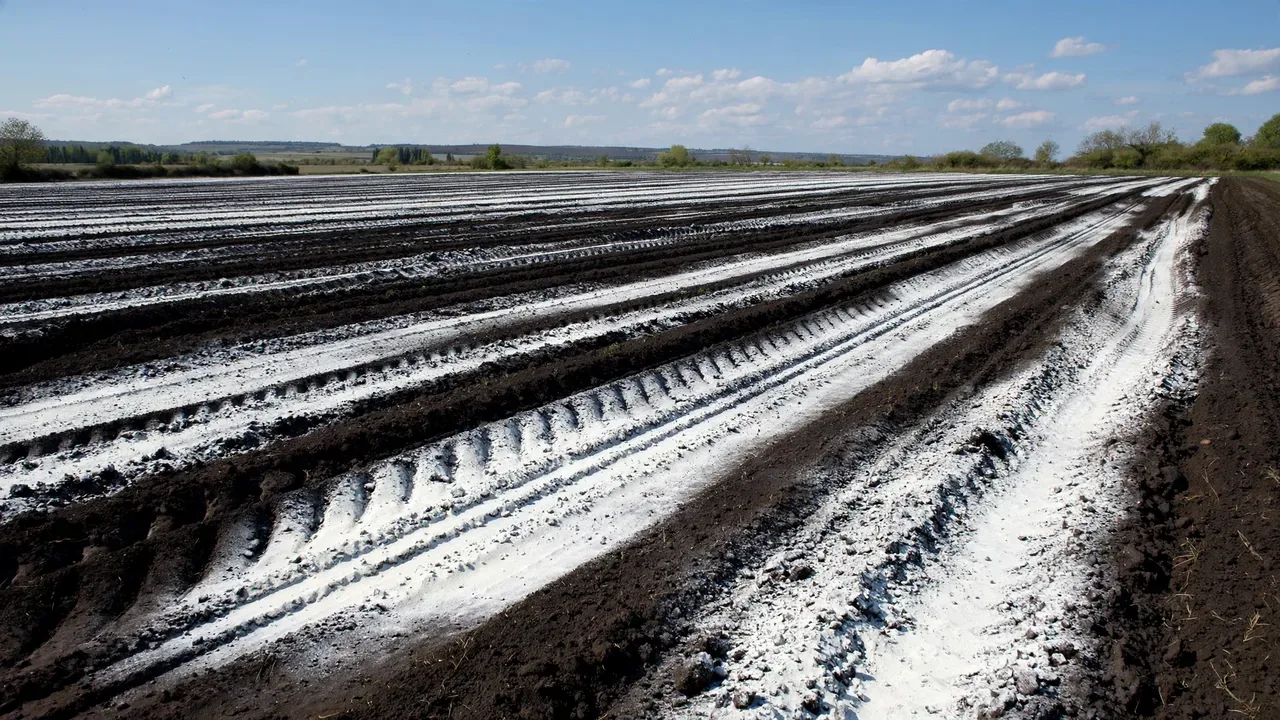
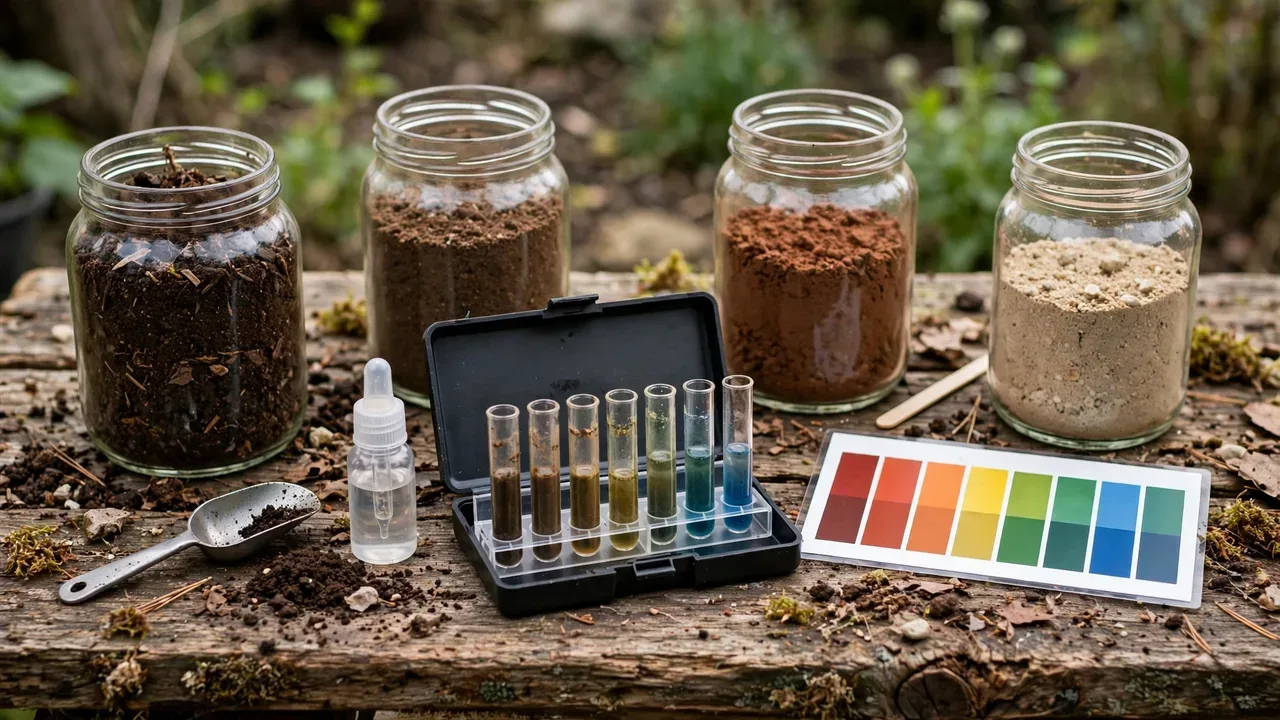
Soil pH governs the availability of virtually every essential plant nutrient. At a pH of 6.0–7.0, most nutrients are readily available; below 5.5, aluminum and manganese become toxic while phosphorus, calcium, and magnesium lock up. Above 7.5, iron, zinc, and boron become unavailable even if present in adequate amounts.
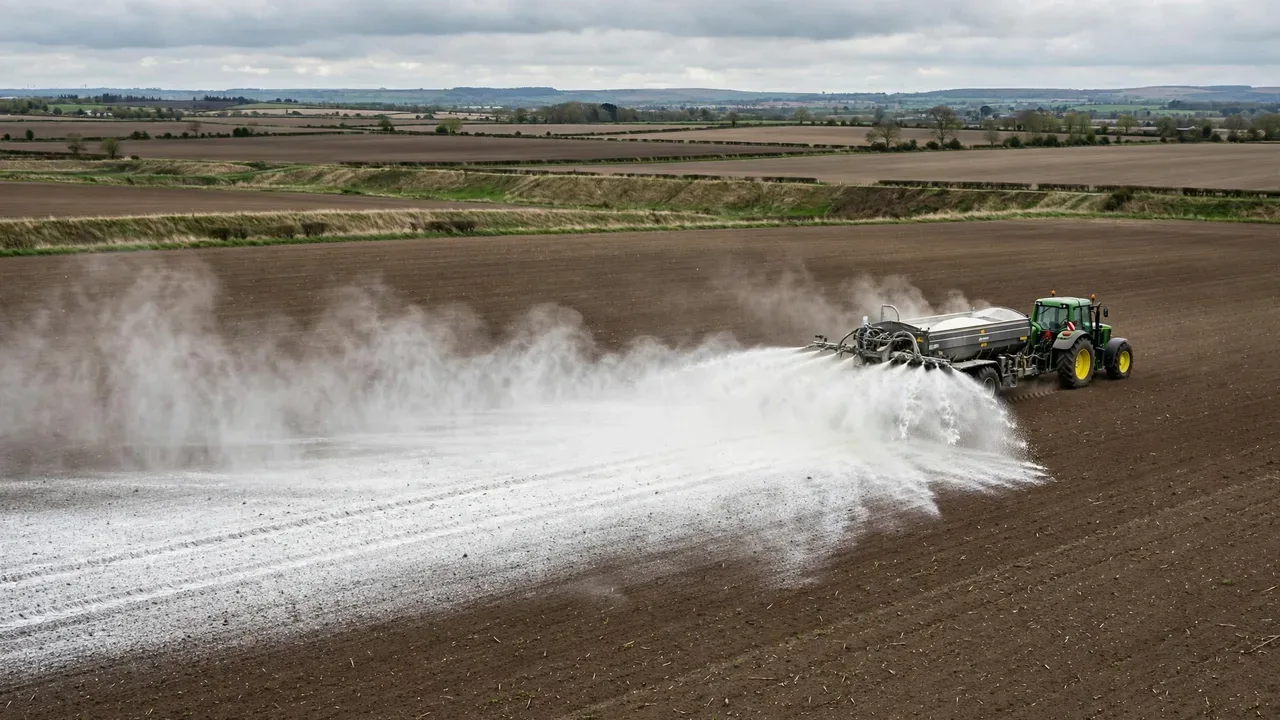
This guide explains how to test soil pH, interpret results, and calculate the correct lime or sulfur amendment rate. We cover the difference between calcitic and dolomitic lime, how buffer pH determines lime requirement, and how a soil pH calculator simplifies the math.
Understanding Soil pH and Nutrient Availability
Successful implementation begins with a solid understanding of the underlying principles. These concepts have been developed through decades of agricultural research and on-farm experience. They provide the foundation for making informed decisions tailored to your specific conditions.
It is important to recognize that there is no one-size-fits-all solution. The best approach depends on your climate, soil type, farming system, available resources, and personal goals. Start by assessing your current situation and identifying areas with the greatest potential for improvement.
How to Test and Adjust Soil pH
Once you understand the principles, the next step is practical implementation. Begin with small, manageable changes that can be easily monitored and evaluated. This approach allows you to learn from experience without risking significant resources.
Keep detailed records of what you do, when you do it, and what results you observe. This documentation is invaluable for refining your approach over time. Many farmers find that keeping a farm journal or using farm management software helps track progress and identify patterns.
Common Soil pH Management Mistakes
One of the most common mistakes is trying to implement too many changes at once. This makes it difficult to determine which practices are producing the desired results. Instead, introduce changes gradually and give each one adequate time to show effects.
Another frequent error is failing to adapt recommendations to local conditions. Agricultural advice is often based on specific regions or farming systems. Always consider how recommendations apply to your unique situation, and be willing to modify approaches based on your own observations and experience.
Monitoring Soil pH Over Time
Regular monitoring and evaluation are essential for determining whether your efforts are producing the desired results. Establish baseline measurements before implementing changes, then track progress at regular intervals. This data-driven approach helps identify what is working and what needs adjustment.
Key metrics to monitor may include crop yields, input costs, soil health indicators, pest pressure, and overall profitability. Compare your results with previous years and with neighboring farms when possible. This broader perspective helps put your results in context and identifies areas for continued improvement.
Practical Case Study: Real-World Application
Consider a 50-hectare mixed farm in the Midwest United States implementing soil ph management: how to test and adjust soil acidity. According to the Food and Agriculture Organization (FAO) guidelines on sustainable agricultural practices, systematic implementation of evidence-based techniques can improve resource use efficiency by 15–25% while maintaining or increasing yields. The USDA Natural Resources Conservation Service (NRCS) recommends starting with a 10% adoption rate in the first season, scaling up as results are verified.
In practice, this means conducting a baseline assessment during the off-season, identifying the top two priority areas for improvement, and allocating a small trial area (2–5% of total acreage) to test new practices before full-scale implementation. Documenting inputs, costs, and outcomes on the trial plot provides actionable data for future decisions.
Data Reference: Key Benchmarks
| Metric | Typical Range | Source |
|---|---|---|
| Resource efficiency gain | 15–25% | FAO 2024 |
| Initial trial area | 2–5% of acreage | USDA NRCS |
| Payback period | 1–3 growing seasons | Extension research |
| Risk reduction | 20–40% | FAO 2024 |
Sources: Food and Agriculture Organization of the United Nations (FAO), "Sustainable Crop Production Intensification," 2024; USDA Natural Resources Conservation Service, "Conservation Practice Standards," 2024.
Expert Recommendations and Next Steps
Extension specialists from leading agricultural universities consistently recommend a phased approach: (1) Conduct a thorough baseline assessment, (2) prioritize high-impact, low-risk changes, (3) implement on a small trial area, (4) measure results rigorously, and (5) scale based on data. This iterative approach minimizes risk while building practical knowledge specific to your farm's unique conditions.
We recommend consulting your local agricultural extension office for region-specific recommendations, as optimal practices vary significantly by climate zone, soil type, and cropping system. Many extension services offer free soil testing, on-farm consultations, and educational workshops.
Conclusion
Proactive soil pH management prevents hidden hunger and ensures every fertilizer dollar works as intended. Test every 2–3 years, apply amendments well ahead of planting, and retest to verify correction.
Use our soil pH calculator to interpret test results and a lime application calculator for precise dosing. A soil amendment calculator helps with sulfur and gypsum adjustments.
Frequently Asked Questions
What is the ideal soil pH for most crops?
Most field crops and vegetables prefer pH 6.0-7.0, where nutrients are most available. Blueberries and potatoes prefer 4.5-5.5; alfalfa and barley prefer 6.5-7.5. Below pH 5.5, aluminum and manganese become toxic; above pH 7.5, iron, zinc, and manganese become unavailable. Test soil pH every 2-3 years.
How do I lower soil pH for acid-loving crops?
Apply elemental sulfur to lower pH: 500-1,500 kg/ha reduces pH by 0.5-1.0 unit depending on soil texture. Aluminum sulfate works faster (weeks) but is more expensive. Sulfur takes 2-6 months to oxidize. A soil amendment calculator for gypsum sulfur application computes exact rates from your soil test.
How do I interpret soil test pH results?
pH <5.0: strongly acidic, requires immediate liming. pH 5.0-5.5: moderately acidic, lime needed for most crops. pH 5.5-6.0: slightly acidic, lime for sensitive crops. pH 6.0-7.0: optimal. pH 7.0-7.5: neutral to slightly alkaline, fine for most. pH >7.5: alkaline, may need sulfur or acidifying fertilizers. Learn to interpret soil test results for fertilizer planning.
Does soil pH change over time?
Soil pH naturally decreases (acidifies) over time due to rainfall leaching, nitrogen fertilizer application, and crop removal. Expect 0.1-0.3 pH unit drop per year under intensive fertilization. Regular liming every 2-4 years maintains optimal pH. Use a lime application rate calculator for acidic soil to plan maintenance applications.
Related Calculators
Calculate and optimize with these free tools.
soil pH calculator →lime application calculator →